China Eyes Weakened Russia, Putin’s Grip Loosens Amid War Woes
China is reportedly watching Russia's war in Ukraine, with concerns that Beijing may exploit Moscow's weakening position. Meanwhile, Vladimir Putin faces internal pressures from an aging inner circle and a flawed understanding of the conflict, potentially leading to a palace coup.

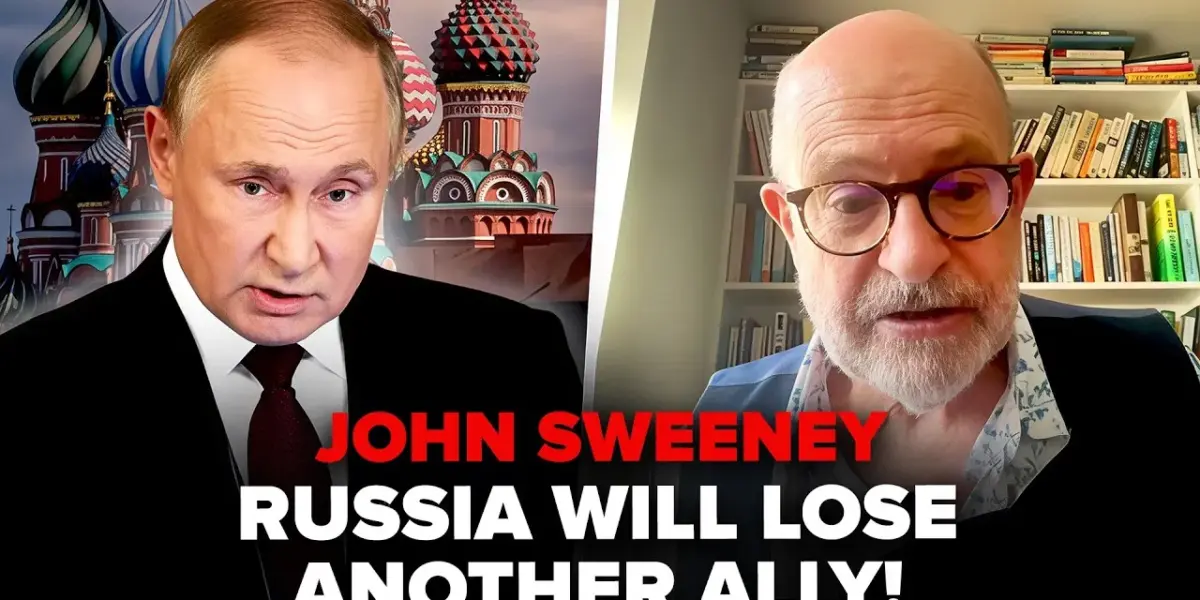
China’s Ambitions Grow as Russia Weakens
Concerns are mounting that China may be observing Russia’s protracted and costly war in Ukraine, potentially viewing it as an opportunity to expand its own influence, even at Russia’s expense. This scenario, once a theoretical war game for the Pentagon in the 1990s involving a Chinese invasion of Siberia, is now being discussed as a plausible, albeit unlikely, future development. While a direct military confrontation between China and Russia over Siberian territory is not immediately foreseen, analysts suggest that Chinese leader Xi Jinping could create significant challenges for Russia, particularly for any leadership that might succeed Vladimir Putin.
Divergent Views on the West and Economic Realities
Despite a shared skepticism towards Western values, particularly concerning human rights and democracy, Russia and China maintain distinct approaches to their economies and international relations. Russia’s narrative to its populace often frames the West as decadent and morally corrupt, a sentiment echoed by China. However, China’s economic model remains intrinsically linked to Western markets; its manufacturing sector relies heavily on consumer demand from the United States, Europe, and the UK for products like iPhones. A significant downturn in this demand could trigger severe economic repercussions for China. This economic interdependence suggests that Xi Jinping will likely continue a balancing act, engaging with both sides while refraining from fully committing to Russia’s cause, especially given Russia’s current military struggles.
Ukraine’s Gains Irk Kremlin and Trump Allies
Recent developments on the Ukrainian front lines indicate that Ukrainian forces are steadily reclaiming territory, albeit incrementally. These gains are a significant blow to the narrative promoted by allies of former U.S. President Donald Trump, who have often suggested that Ukraine lacks the resources and capability to succeed. The ongoing territorial advances by Ukraine are not only a strategic success but also a public relations victory, directly contradicting the claims that Kyiv is on the verge of defeat. This narrative dissonance is believed to be deeply frustrating for those in the White House who champion this view and, more significantly, for the Kremlin leadership, who are facing mounting pressure as their initial strategic assumptions are proven wrong.
Putin’s Inner Circle: Age, Loyalty, and Succession Fears
The aging demographic of Vladimir Putin’s long-standing inner circle presents a growing vulnerability. Many of his close associates, drawn from his early days in St. Petersburg, are elderly and beginning to face mortality. Putin’s directive for them to remain in their posts, despite their desire to retire and spend time with families, highlights his preference for loyalty and familiarity. However, he cannot prevent them from dying. As these individuals are replaced by younger, potentially more ambitious officers, a new dynamic emerges. These younger leaders, perhaps in their 50s rather than 70s, could harbor aspirations for higher office, potentially leading to internal power struggles or even direct challenges to Putin’s authority, such as a “storming of the Kremlin.”
The Role of Oligarchs and Targeted Assassinations
The influence of Russian oligarchs, who have long been intertwined with Putin’s regime, is another factor in the evolving political landscape. The question of who holds genuine power and can influence decision-making, even down to mundane tasks like pouring tea, remains pertinent. Furthermore, Ukraine’s increasing effectiveness in targeting Russian officers implicated in war crimes, such as those responsible for atrocities in Bucha, suggests a broader capability. It is posited that if Ukraine can execute such operations, Russian oligarchs themselves, who have also benefited from the current regime, may also become targets or even instigators of change, potentially orchestrating the removal of Putin.
A History of Repression and Stifled Dissent
The speaker expresses deep regret over a past affinity for Russia, now soured by the “inhumanity” witnessed during the current conflict. A historical pattern of Russian military actions, from the Second Chechen War and the conflict in Georgia to interventions in Syria and the annexation of Crimea, is cited as evidence of a consistent behavior. The speaker notes that Western responses to these actions have often been insufficient. The internal repression within Russia is also highlighted, with the fates of prominent critics like Anna Politkovskaya, Natalia Estemirova, Boris Nemtsov, and Alexei Navalny serving as stark warnings against challenging the Kremlin. This history leads to the conclusion that a popular revolution akin to that of 1917 is unlikely, but a “palace coup” orchestrated by oligarchs or disgruntled military figures remains a possibility.
Putin’s Miscalculation: The Flawed Logic of Invasion
The fundamental flaw in Putin’s decision to invade Ukraine, according to the analysis, lies in his misperception of Ukrainian national identity and resolve. Putin apparently believed that Ukrainians did not genuinely see themselves as a distinct nation and would not resist a Russian takeover. This belief is demonstrably false, as evidenced by Ukraine’s overwhelming vote for independence in 1991, a sentiment shared even in Crimea. The invasion was launched with an insufficient military force – approximately 200,000 troops against a Ukrainian military and security apparatus numbering around 300,000, and potentially requiring a force of over 2 million to achieve victory given expected resistance ratios. The lack of dissenting voices within Putin’s inner circle, who might have corrected these flawed assumptions, is seen as a critical failure. Figures like Sergei Naryshkin, the head of the SVR (Foreign Intelligence Service), are suggested to have shown hesitation during a key Kremlin meeting, potentially understanding the grim reality of Ukrainian resistance, a reality that Putin himself appears to have ignored.
Isolation and a Distorted Reality
Putin’s detachment from modern information flows, including his avoidance of the internet, contributes to his distorted perception of reality. His apparent preference for a bygone era, perhaps the 1970s when he joined the KGB, means the Kremlin operates more like a rigid hierarchy than an adaptable organization. This “ziggurat” structure, as described, prevents the open flow of information necessary for effective decision-making. Instead of objectively assessing intelligence, Putin is reportedly surrounded by advisors who tell him what he wants to hear, leading to strategic blunders, such as falsely claiming control of Kupyansk when Ukrainian forces had already retaken it. This echo chamber effect leaves him vulnerable to a “Downfall”-esque moment, where the full extent of his military failures is revealed, potentially leading to a catastrophic realization.
The Path to Ending the War
The only apparent way to break this cycle of miscalculation and bring an end to the conflict, as suggested, is to decisively equip Ukraine with the necessary weaponry and support to crush the Russian army on Ukrainian soil. Such a decisive military outcome is seen as the only means by which Vladimir Putin might finally grasp the reality of the situation and alter his course.
Source: 💥Putin is being prepared for a blow! A region of Russia is in danger. Kremlin is stunned (YouTube)

Related Articles


US Service Members Hurt in Iran War; Trump Issues Mine Threat
At least 140 U.S. service members have been injured in the ongoing conflict with Iran, the Pentagon confirmed. President Trump issued a stern warning against Iran mining the Strait of Hormuz, threatening unprecedented military consequences. Meanwhile, a manhunt is underway in Canada after a shooting at the U.S. Consulate in Toronto.

Trump’s Rhetoric Ignites Global Market Mayhem
Global markets experienced a significant downturn as oil prices surged, exacerbated by geopolitical tensions and Iran's attacks on regional infrastructure. Analysts criticize unclear U.S. policy responses, while former President Trump's rhetoric is seen as dangerously dismissive of the risks.

Iran’s Strait of Hormuz Mine Threat: A Dangerous Escalation
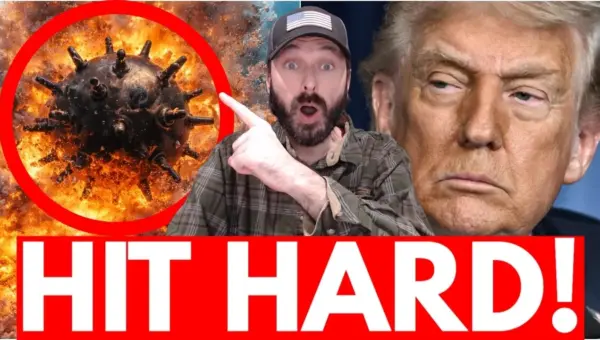
Reports indicate Iran has allegedly mined the Strait of Hormuz, a vital global energy chokepoint. This alarming escalation threatens maritime security and global oil supplies, prompting urgent calls for decisive military response and raising fears of wider conflict.