DOJ Resurrects Roman Storm Case, Threatening DeFi Future
The Department of Justice is set to retry Tornado Cash figure Roman Storm, raising concerns for the future of decentralized finance (DeFi). This legal pressure, coupled with other regulatory actions and political scrutiny of figures like Pam Bondi, highlights ongoing tensions between innovation and oversight in the crypto space.

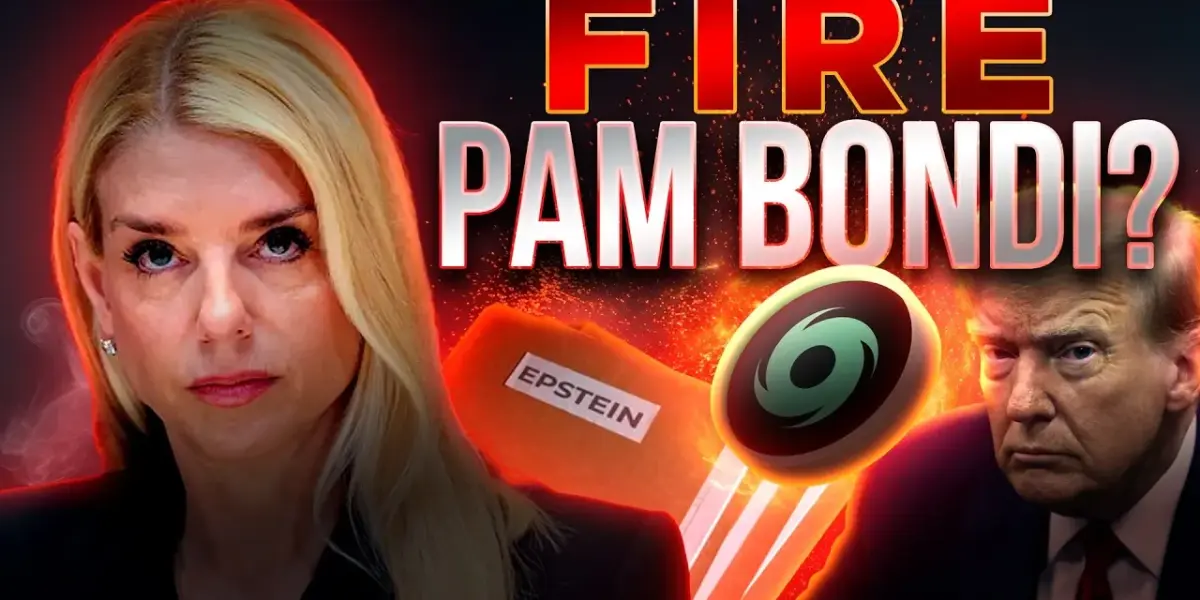
DOJ Presses Roman Storm Case Amidst DeFi Uncertainty
The U.S. Department of Justice (DOJ) is set to retry Roman Storm, a key figure associated with the now-sanctioned cryptocurrency mixer Tornado Cash, on charges related to money laundering and sanctions violations. This renewed legal pressure comes as the blockchain community grapples with the potential implications for the future of decentralized finance (DeFi).
Tornado Cash and the Roman Storm Trial
Roman Storm, alongside co-founder Alexey Pertsev, faced accusations tied to Tornado Cash, a service that facilitated anonymous cryptocurrency transactions. While Pertsev was convicted in a separate trial, Storm’s initial trial resulted in a hung jury on two major counts: money laundering and violating sanctions. The jury was unable to reach a unanimous decision after four weeks of evidence, leading to the current deadlock.
The DOJ’s decision to pursue a retrial on these counts, specifically targeting counts one and three of the indictment, signifies a continued focus on the individuals behind tools perceived by regulators as enabling illicit activities. Judge Jesse M. Furman, who presided over the initial trial and is also known for his involvement in the XRP case, has demonstrated an awareness of blockchain technology and its nuances.
DeFi’s Vulnerability and Regulatory Scrutiny
The legal battles surrounding Tornado Cash are seen by many in the DeFi space as a critical juncture. Amanda Tummelli, representing the DeFi Education Fund, has highlighted that these cases could shape the future trajectory of decentralized finance. The argument is that if tools like Tornado Cash, which offer privacy, are deemed illegal, it could set a precedent for other DeFi protocols.
Comparisons have been drawn to the legal proceedings involving Uniswap, a decentralized exchange. The sentiment, echoed by observers familiar with Judge Furman’s rulings, suggests that if a protocol like Uniswap, which is considered more neutral infrastructure than a privacy mixer, can demonstrate its utility and compliance, it might influence how cases like Storm’s are viewed. However, the DOJ’s persistence raises questions about their broader strategy.
Treasury Department’s Stance on Mixers
Coinciding with the renewed focus on Storm, the Treasury Department released a statement on crypto mixers. While initially perceived by some as potentially positive for DeFi, the underlying message suggests a continued regulatory challenge. The department emphasized the need to distinguish between lawful and unlawful uses of digital assets, implying that the mere existence of a mechanism for anonymity could be problematic.
Political Undercurrents and Potential Pardons
The case has also become entangled in political discussions, particularly concerning potential pardons. Notably, Roman Storm is not mentioned on lists of individuals considered for pardons by former President Donald Trump, despite figures like Roger Ver, Steve Bannon, and even Do Kwon being on such lists. This has led to speculation about why Storm is seemingly excluded, especially given the potential alignment with aspects of the Clarity Act, which aims to foster regulatory clarity in the digital asset space.
The mention of Trump pardoning Justin Sun further fuels the debate around political influence and targeted enforcement within the crypto space.
Broader DOJ Actions and Allegations of Corruption
Beyond the Storm case, the transcript touches upon other actions by the DOJ and related entities, raising concerns about fairness and transparency. Allegations of improper prosecutorial installations in New Jersey could potentially lead to the dismissal of thousands of federal criminal cases. Additionally, the handling of the Live Nation-Ticketmaster antitrust case, where a settlement was reached avoiding a breakup of Ticketmaster, has drawn criticism for its perceived leniency, with a $200 million fine being described as insignificant compared to the company’s market power.
Concerns were also raised about courtroom transparency during the Live Nation trial, including restricted audio feeds and delayed public access to evidence, leading to judicial orders for the release of information.
Pam Bondi and the Epstein Probe
A significant portion of the discussion revolves around Pam Bondi, a former Florida Attorney General and a figure associated with the Trump administration, who has been subpoenaed by the House Oversight Panel regarding the Jeffrey Epstein probe. Republicans have reportedly shifted their focus to Bondi, who is now seen as being in a precarious position. The article suggests that Bondi has slowed the release of investigative files related to Epstein, a move that has sparked controversy and potential fallout for the Trump administration.
The transcript also links Bondi to potential issues surrounding Section 702 of the Foreign Intelligence Surveillance Act (FISA), a critical surveillance law. Her perceived lack of engagement on this matter, coupled with her role in the Epstein probe and the DOJ’s actions, paints a picture of a figure under increasing scrutiny.
Market Sentiment and Future Outlook
The article implies that these legal and political developments could significantly impact market sentiment and the broader adoption of DeFi. The ongoing legal challenges against foundational DeFi elements, coupled with perceived regulatory overreach or inconsistency, create an environment of uncertainty. The outcome of the Roman Storm retrial and the broader regulatory approach to privacy tools will likely be closely watched by investors, developers, and users alike.
The narrative suggests that while some figures are being scrutinized, others, particularly those involved in privacy-enhancing technologies, may face prolonged legal battles that could hinder innovation and adoption within the decentralized finance ecosystem.
Source: FIRE Pam Bondi🔥DoJ Targets DeFi AGAIN!?🚨 (YouTube)

Related Articles


DOJ-Live Nation Deal Stuns Court, Rocks Ticketmaster Trial
The DOJ and Live Nation reached a settlement in their antitrust case, but the announcement surprised the presiding judge and even lead DOJ counsel. The timing has thrown the ongoing trial into uncertainty.


Judge’s Bombshell Threatens Thousands of DOJ Cases
A federal judge's warning could jeopardize thousands of Justice Department cases by challenging the legitimacy of Trump-appointed special attorneys. This ruling underscores a constitutional clash over executive power and prosecutorial integrity.


Ticketmaster Settlement: Justice Served or Slap on Wrist?
Live Nation Ticketmaster reaches a settlement with the DOJ in its antitrust trial, agreeing to pay $280 million and sell some venues. However, 27 states continue their fight, questioning if the deal goes far enough to address the company's alleged monopoly.