Senator Graham: US Poised to ‘Crush’ Iran Regime, Ushering in New Era
Senator Lindsey Graham has issued a stark warning, predicting the imminent "crushing" of the Iranian regime and foreseeing a new era of peace and prosperity in the Middle East. He cited Iran's nuclear ambitions and its role as a state sponsor of terrorism as key drivers for U.S. action. The senator also called on Arab allies to join the fight against Iran.

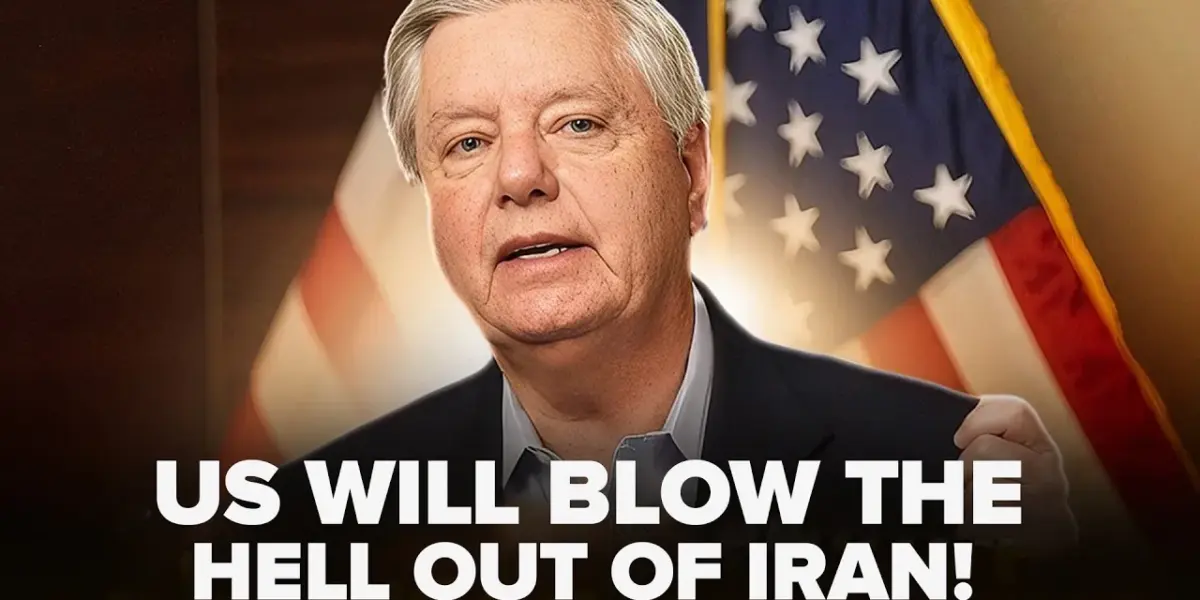
Senator Graham Issues Stark Warning on Iran, Predicts Regime Collapse
Senator Lindsey Graham has issued a forceful warning regarding the Iranian regime, stating that the United States is on the verge of “crushing” its current leadership and ushering in an era of unprecedented peace and prosperity. Speaking in a recent address, Graham asserted that the Iranian regime is “in a death row now” and is destined to fall, paving the way for a transformed Middle East.
Iran’s Nuclear Ambitions and U.S. Security Concerns
A central tenet of Graham’s argument revolves around Iran’s nuclear program. He revealed that intelligence indicates Iran possesses enough 60% enriched uranium to potentially build 11 nuclear bombs. “What’s that worth to America to make sure they don’t have 11 bombs?” Graham questioned, emphasizing that the current U.S. expenditure is a crucial investment to prevent Iran from acquiring nuclear weapons and posing a ballistic missile threat to the United States and its allies.
The senator also highlighted Iran’s role as the “largest state sponsor of terrorism,” accusing the regime of having “American blood on its hands.” He believes that the downfall of the current Iranian leadership will significantly curtail funding for proxy groups such as Hezbollah, Hamas, and the Houthis, thereby enhancing regional and global security.
Economic and Geopolitical Ramifications
Beyond security, Graham painted a picture of significant economic benefits following the regime’s collapse. He envisions a “new Middle East” where the Strait of Hormuz is no longer threatened, allowing for unimpeded global trade. Furthermore, he predicted that the fall of the Iranian regime would catalyze a historic shift in the region, leading to Saudi Arabia recognizing Israel. “And that will be the biggest change in 2,000 years in the Middle East,” Graham stated.
He also pointed to potential economic partnerships involving Venezuela and Iran, which together hold 31% of the world’s oil reserves, suggesting this could represent a “China’s nightmare” scenario and a lucrative opportunity for the United States.
Criticism of Democratic Stance and Call to Allies
Graham did not shy away from criticizing the Democratic Party’s approach to the situation, stating they “criticize this operation. They didn’t do a damn thing.” He contrasted this with the actions of the U.S. military, whose efforts he lauded as “the best money ever spent” in neutralizing a “religious Nazi regime” intent on building nuclear weapons.
Addressing U.S. allies in the Persian Gulf, Graham urged them to actively participate in confronting Iran. “America is not going to the Middle East just to fight alone,” he declared, emphasizing that Arab countries, which are also targets of Iranian aggression, should join the fight. He suggested that a treaty with the United States would necessitate such involvement.
Potential Military Operations and Funding
The transcript also touched upon potential U.S. military actions and the associated costs. Reports suggest that the U.S. and Israel are considering special operations to seize or neutralize Iran’s enriched uranium stockpiles, particularly the 450 kg of 60% enriched uranium believed to be stored in underground facilities. Options reportedly include removing the uranium from Iranian territory or rendering it unusable on-site.
Another discussed military option involves securing Hark Island in the Persian Gulf, which handles approximately 90% of Iran’s oil exports. Such a move would represent a significant blow to Iran’s economy.
The cost of U.S. military operations against Iran has been substantial, with an estimated $6 billion spent in the first week alone, primarily on munitions. The New York Times reported that the Trump administration may seek additional funding from Congress. Concurrently, global oil prices have surged, impacting regional economies, and the U.S. has experienced casualties, with seven service members confirmed dead.
Intelligence Sharing and U.S.-Russia Dynamics
The transcript also delved into the complex relationship between the U.S., Iran, and Russia. Reports indicate that Russia has been sharing intelligence with Iran regarding U.S. military assets, a move that Iran’s own limited tracking capabilities make critically important. Despite these reports, President Trump has expressed skepticism, dismissing claims of Russian assistance to Iran as “stupid” and questioning the reliability of such intelligence.
Professor Scott Lucas offered insights into Trump’s stance, attributing it to a desire to avoid accountability and a potential “affection for Vladimir Putin.” Lucas suggested that Trump’s past business aspirations in Russia and his admiration for Putin contribute to his dismissive attitude towards intelligence implicating Russia in actions detrimental to U.S. interests.
The discussion also involved Steve Wickoff, described as a Trump confidant and envoy, who allegedly maintains a naive view of Russian intentions, influenced by business opportunities presented by Russian officials. This dynamic, according to Lucas, allows Russia to manipulate U.S. policy and potentially undermine efforts related to Ukraine.
Democratic Criticisms and Alternative Scenarios
Meanwhile, Democrats have voiced strong criticism of the Trump administration’s actions, arguing the operation lacks a clear strategy and achievable goals. Some Democrats have vowed to withhold support for additional Pentagon funding until a concrete military plan and timeline are presented. Congressman Jim Hines expressed skepticism about achieving the collapse of the Iranian regime, warning that more radical elements could seize power.
One analyst presented a sobering scenario: a potential short-term U.S. “victory declaration” followed by the rise of a more radical and dangerous leader in Iran, leaving the Iranian people under even harsher rule. This perspective highlights the potential for unintended consequences and the risk of creating a more volatile regional situation.
Looking Ahead
As the situation in the Middle East intensifies, all eyes remain on the strategic decisions made by the U.S. administration, the response from Iran and its allies, and the broader geopolitical implications. The coming weeks will be critical in determining whether Senator Graham’s prediction of the Iranian regime’s imminent collapse comes to fruition and what the subsequent landscape of peace and prosperity, or further conflict, will entail.
Source: 😱Sen. Graham Drops SHOCK WARNING: U.S. Set to CRUSH Iran Regime! (YouTube)

Related Articles


Trump’s War Costs Ignite Fury Across Political Divide
As the US expends billions on a new Middle East conflict, questions about cost, rationale, and broken promises ignite fury across the political divide. Even Fox News and conservative figures are voicing concerns, highlighting the growing public unease with escalating warfare.
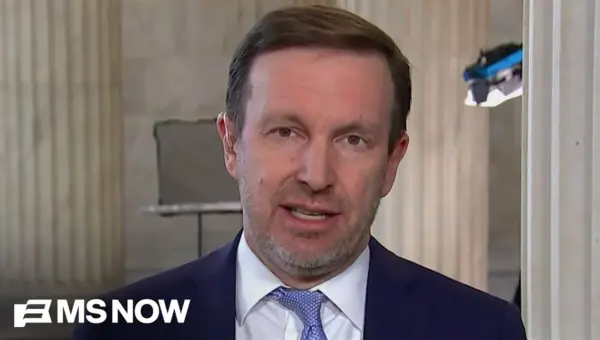
Senator Murphy: Iran War a ‘Disaster of Epic Proportions’
Senator Chris Murphy decried the ongoing conflict with Iran as a "disaster of epic proportions," citing a lack of clear objectives, constitutional overreach, and significant economic fallout. Eight U.S. service members have died, and gas prices have surged, leading to calls for immediate congressional action and transparency from the administration.

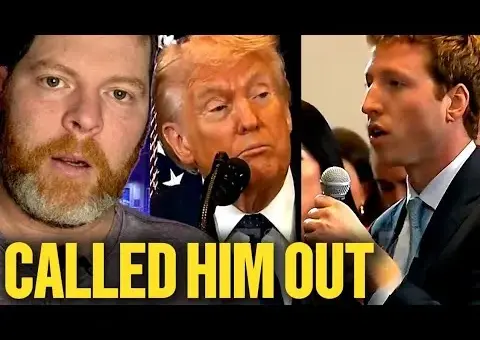
President’s Iran Bombing Claim Sparks Fierce Media Scrutiny
A journalist's direct challenge to the President's claim about Iran bombing its own school with a Tomahawk missile exposes a potential pattern of misinformation. The analysis explores the implications for international trust, domestic impact, and the crucial role of independent media in seeking truth.