Pentagon’s Lavish Spending Fuels War Outcry
Revelations of the Pentagon's $93 billion monthly spending, including lavish items like lobster and grand pianos, have sparked outrage. The analysis questions fiscal priorities amidst international tensions and highlights concerns over strategic ambiguity and accountability in defense spending.

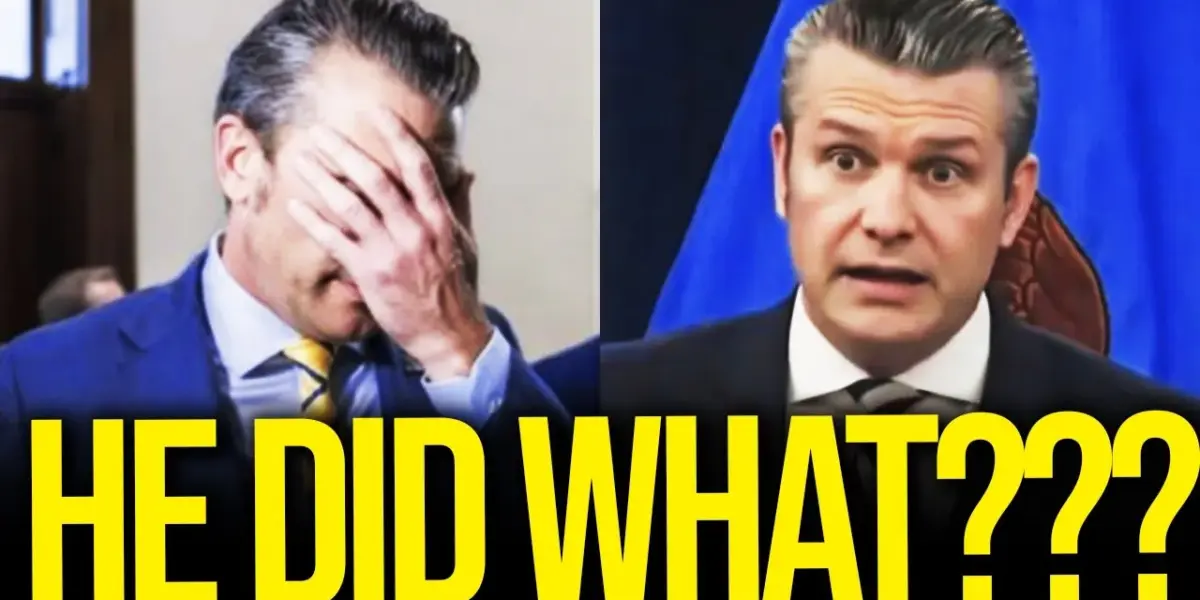
Pentagon’s Lavish Spending Fuels War Outcry
In a period marked by escalating international tensions and a burgeoning national debt, startling revelations about the Department of Defense’s spending habits have ignited public outrage. Recent budget numbers reveal an unprecedented monthly expenditure of $93 billion by the Pentagon, the highest since 2008. This colossal sum, reportedly spent on a bewildering array of items from gourmet food to luxury furnishings, stands in stark contrast to the administration’s purported fiscal conservatism when it comes to domestic investments like healthcare and infrastructure.
A Fiscal Reckoning Amidst Conflict
The timing of these revelations is particularly sensitive. As the nation grapples with the implications of potential military engagement, the sheer scale of Pentagon spending raises critical questions about priorities and accountability. The speaker highlights a perceived hypocrisy, where arguments for fiscal responsibility are readily dismissed when the subject turns to war. This is juxtaposed against the administration’s alleged stance on domestic spending, where similar concerns about financial prudence are often voiced.
The Unsettling Bill of Extravagance
The breakdown of the $93 billion expenditure paints a picture that many taxpayers find difficult to reconcile with national needs. Among the reported expenses are:
- $225 million on furniture
- $15 million on ribeye steaks
- $5 million on Apple devices
- $7 million on lobster
- $2 million on crab legs
- $98,000 for a grand piano for a staffer’s home
- $140,000 on donuts
- $124,000 on ice cream machines
- $12,000 on fruit basket stands
These expenditures, while perhaps justifiable within the vast operational scope of the Department of Defense, appear frivolous to many when viewed against the backdrop of pressing national concerns and a significant national debt. The speaker articulates a common sentiment: the pain of paying taxes is exacerbated when such funds seem to be allocated to non-essential luxury items rather than critical public services.
The Pentagon’s Budgetary Dilemma
A recurring argument from the Pentagon, as suggested in the analysis, is the pressure to spend allocated funds to avoid budget cuts in subsequent years. This ‘use-it-or-lose-it’ mentality, if accurate, presents a perverse incentive. Instead of fostering efficiency and responsible allocation, it could encourage wasteful spending simply to maintain funding levels. The speaker posits that if such a system is in place, it logically follows that the Pentagon’s budget could be reduced, especially given the questionable expenditures.
Strategic Ambiguity and Diplomatic Disconnect
Beyond financial concerns, the analysis delves into the perceived erratic messaging surrounding foreign policy, particularly concerning Iran. The speaker points to a lack of clear and consistent communication from Pentagon leadership, exemplified by statements from Secretary Pete Hegseth. The ambiguity regarding objectives, such as whether the mission is nation-building or regime change, is seen as problematic. This is further complicated by conflicting statements from political figures, creating an environment of strategic uncertainty.
Geopolitical Maneuvering and Missed Cues
The discussion also touches upon the complex relationship with Russia and its implications for Middle Eastern conflicts. The speaker critiques the administration’s understanding of geopolitical dynamics, suggesting a naivete in dealing with figures like Vladimir Putin. The assertion is that actions, such as easing oil sanctions on Russia, may have inadvertently empowered adversaries by increasing global oil supply and revenue for Russia, which could then be used to support allies like Iran.
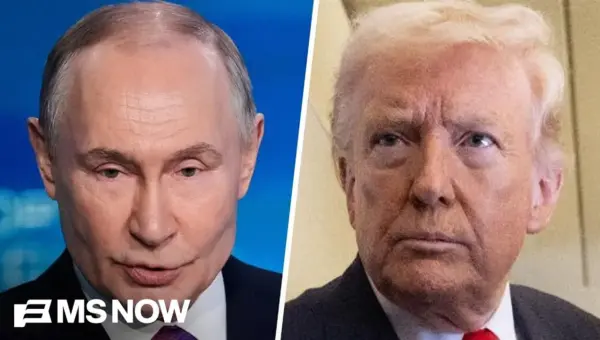
“Honestly, the strategic like psychology from Vladimir Putin is so effing annoying because it works so well on Donald Trump. All Putin has to do is call Donald Trump and just uh praise him a little bit, glaze him a little bit, act a little bit concerned about this war, and Trump will think Putin is on our side when it is anything but that.”
This perspective suggests that Putin may be exploiting distractions, such as a new conflict in the Middle East, to advance his agenda in Ukraine, particularly as the U.S. expends munitions and resources elsewhere.
The Paradox of Civilian Protection Claims
A notable point of contention is the Pentagon’s claim of taking unparalleled precautions to avoid civilian casualties. The speaker challenges this assertion, particularly in light of reported incidents, such as the killing of 160 schoolgirls, and the extensive munitions provided to allies like Israel. The rhetoric used by Pentagon officials, described as ‘ChatGPT jingoistic,’ is criticized for being performative rather than substantive, lacking in concrete actions to back up the claims of meticulous care in targeting.
Leadership and Accountability
The analysis places significant emphasis on the role of key figures, such as Pete Hegseth, in shaping foreign policy decisions. It is suggested that individuals in such positions are instrumental in briefing and advising top leadership, like Donald Trump. The narrative posits that Trump’s decision-making process, characterized by a reliance on a select group of advisors, makes these individuals highly influential. The speaker raises the possibility that Trump may be seeking to deflect blame for unpopular decisions onto his advisors.
Why This Matters
This situation is critical because it intersects fiscal responsibility, national security, and public trust. The perceived mismanagement of taxpayer dollars, especially when allocated to non-essential items during times of war and economic strain, erodes confidence in government institutions. Furthermore, the lack of clarity in foreign policy objectives and the potential for strategic miscalculations have profound implications for global stability and American interests. The disconnect between the public’s desire for responsible spending on domestic needs and the Pentagon’s reported expenditures highlights a fundamental tension in national priorities.
Implications, Trends, and Future Outlook
The revelations suggest a potential trend of increased defense spending without corresponding transparency or accountability. The analysis implies that without public scrutiny and a demand for fiscal prudence, such spending patterns may continue. The future outlook hinges on whether public pressure can influence policy and budget allocation. There is a clear need for greater oversight of Pentagon expenditures and a more coherent, clearly communicated foreign policy strategy. The reliance on advisors and the potential for manipulation or blame-shifting also point to systemic issues in leadership and decision-making processes within the executive branch.
Historical Context
The discussion implicitly references historical precedents of costly and prolonged military engagements, such as those in Afghanistan and Iraq. The trillions of dollars spent and the human cost incurred in these conflicts serve as a cautionary tale. The current situation, with its focus on potential new conflicts and the ongoing burden of national debt (with $1 trillion annually just on interest), underscores the importance of learning from past experiences. The speaker’s generation, facing decades of debt repayment, has a vested interest in ensuring that future spending is both necessary and judiciously managed.
Source: Hegseth’s SHOCK SECRET just got BLOWN OPEN (YouTube)

Related Articles

MAGA Echoes: Draft Fears Ignite After Trump Ally’s Bold Statement
Karoline Leavitt's statement on keeping military options open, including a potential draft, has ignited panic and backlash within the MAGA movement. The response highlights deep-seated anxieties about foreign wars and a perceived contradiction with campaign promises.
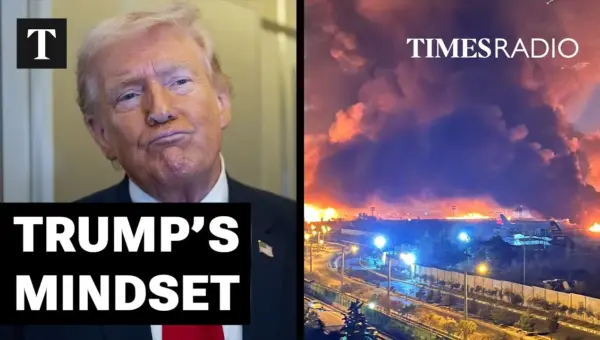
Trump Dismisses Polls, Focuses on Iran War End
Former President Donald Trump has indicated a personal conviction guiding his approach to the Iran conflict, prioritizing his belief in the 'right thing' over poll numbers or party building. He suggested the war is nearing an end, despite concerns over global energy costs and an ongoing investigation into a missile strike.

Senator Coons Slams Trump’s Iran War Strategy, Consults Putin More Than Congress
Senator Chris Coons has sharply criticized President Trump's handling of the Iran conflict, citing a lack of planning and alarming consultation patterns with Russia. Coons demands transparency on war costs and strategy before approving further funding.