Oil Prices Fluctuate Amid Geopolitical Tensions, Market Uncertainty
Global oil prices are experiencing significant volatility, driven by geopolitical tensions in the Middle East and pronouncements from former U.S. President Donald Trump. Market reactions highlight the growing interconnectedness of global politics and economics, impacting inflation and consumer sentiment worldwide.

Global Politics Dominates Economic Outlook as Oil Prices Seesaw
In an era where global events increasingly dictate local concerns, the international oil market has become a critical barometer for economic stability, influencing everything from inflation to consumer sentiment. Recent volatility in oil prices, driven by escalating geopolitical tensions in the Middle East and pronouncements from key political figures, underscores a significant shift from traditional localized politics to a globally interconnected economic landscape.
Trump’s Influence on Market Sentiment
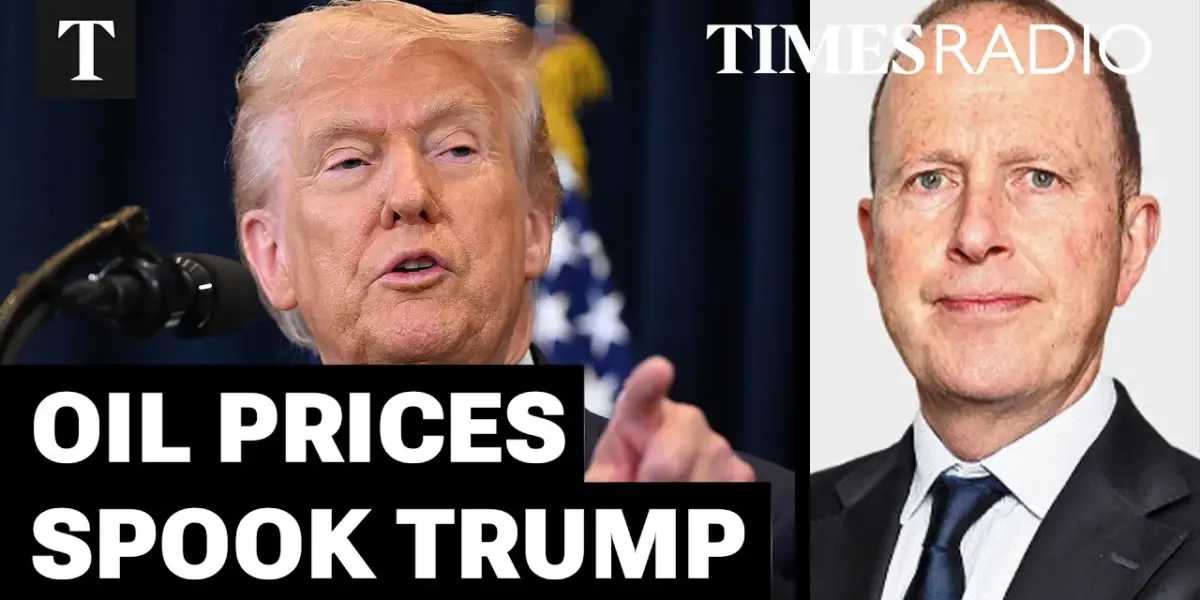
Former President Donald Trump’s statements regarding the potential end of a conflict with Iran have sent ripples through the financial markets, causing a noticeable cooling in oil prices from their recent peaks. On the heels of Trump’s assertion that the war was “almost over,” his Secretary of War, Pete Hexith, indicated that the upcoming day would witness the “most intense battle” but that the situation would largely resolve by the following day. This rhetoric, intended to project control and de-escalation, has been a significant factor in the market’s response.
Dominic O’Connell, Business Correspondent for Times Radio, noted the market’s sensitivity to Trump’s interventions. “I don’t think anybody really knows. Maybe Trump knows, but there’s a lot of uncertainty,” O’Connell stated, highlighting the unpredictable nature of the situation. He suggested that Trump’s focus on market stability, particularly concerning inflation that could impact his electoral prospects, plays a crucial role in his public statements.
“He wouldn’t let there be another surge in US inflation just before the US midterm election. So, people I think were betting on that and then they sort of woke up to the reality of there being no tankers going through the straits of Hormuz and panicked a bit.”
The market’s reaction has been characterized by significant “yo-yoing,” with prices fluctuating dramatically within short periods. Earlier in the week, oil prices surged above $100 a barrel, even reaching as high as $116, before dropping significantly. This volatility is directly linked to the perceived likelihood of conflict escalation or de-escalation. O’Connell elaborated, “all this yo-yoing is to do with Donald Trump and his comments about the war coming to an end very soon or further attacks on Iran which he mentioned later last night.”
Economic Implications for Consumers and Governments
The price of oil has direct consequences for consumers worldwide, impacting the cost of manufactured goods, airfares, and overall inflation. For the United States, despite being a significant energy exporter, consumers still face the going rate for oil, which affects airline ticket prices as American carriers do not typically hedge fuel costs as European airlines do.
In the UK, Chancellor Rachel Reeves’s decision not to immediately cancel a planned 5p increase in fuel duty, stating it would be kept under review, reflects the delicate balancing act governments face. While the increase is phased and relatively small, a sustained high oil price poses a broader threat to inflation and the overall economy, potentially slowing down interest rate reductions and impacting consumer sentiment and economic growth.
Geopolitical Dynamics and International Response
The broader geopolitical landscape, including the upcoming Al Quds March in London—an international Muslim demonstration in support of Palestinians—highlights how distant conflicts can manifest domestically, causing social divisions. This event, along with the UK government’s social cohesion strategy, is a direct response to the deep divisions exacerbated by recent events in Israel and Gaza.
The question of global influence and representation, once famously articulated by American colonies protesting “taxation without representation,” now seems to be echoed by former colonial powers. The article posits that key decisions impacting nations are being made in Washington D.C. with little or no direct influence from other countries, leaving them as “colonial supplicants” observing their fate being determined by others.
Strategic Reserves and Future Outlook
Discussions around coordinated releases of strategic oil reserves by G7 countries have emerged as a potential measure to stabilize the market. However, such actions are often more symbolic than practically impactful, as releasing reserves takes time and some reserves are located in strategically sensitive areas. The absence of a coordinated G7 action recently was seen as surprising, suggesting a lack of unified intent to immediately calm the market.
The role of Russia in this complex equation is also noteworthy. Any de-escalation by Russia, potentially involving the lifting of some sanctions on its oil, could further influence market dynamics and benefit countries like China and Russia itself. Despite the rhetoric and market fluctuations, O’Connell cautions that the recent fall in oil prices has not yet been fully substantiated by fundamental changes in the underlying reality of oil supply and transit through critical chokepoints like the Strait of Hormuz.
Looking Ahead
As the situation in the Middle East remains fluid, the global community will be closely watching the actions of the United States, Israel, Iran, and key Arab nations. The effectiveness of diplomatic efforts, the potential for further military engagement, and the resulting impact on global energy markets will be critical factors to monitor in the coming weeks and months. The delicate balance between geopolitical stability and economic prosperity remains at the forefront, with pronouncements from leaders like Donald Trump continuing to exert significant influence over market sentiment and global economic trajectories.
Source: Trump Spooked By Oil Prices | Dominic O’Connell (YouTube)

Related Articles
Trump’s Iran War Stumbles: Officials Admit Confusion
The Trump administration's strategy in its conflict with Iran is under fire for perceived confusion and a lack of understanding of complex geopolitical issues. Key figures have made contradictory statements, and the credibility of official pronouncements is being questioned amidst escalating tensions.


US Launches Intense Airstrikes Against Iran, Oil Prices Fluctuate
The U.S. military launched its most intense day of airstrikes against Iran, targeting over 5,000 sites with increased fighter jets and bombers. The operation aims to counter Iran's threats to oil tankers and regional stability, which led to significant oil price fluctuations. Despite the U.S. action, Iran reportedly continues to launch attacks on neighboring countries.


Trump Admin Tweet Sparks Oil Market Chaos: US Navy Aid to Iran?
A since-deleted tweet from U.S. Secretary of Energy Chris Wright, suggesting the U.S. Navy was aiding Iran's oil tankers, caused significant swings in global oil markets. The ambiguous message and its rapid removal have sparked widespread speculation about U.S. policy shifts and highlighted the impact of social media on international commerce.