US Eyes Iran’s Oil Hub: Kharg Island Speculation Grows
Speculation intensifies over a potential US military move against Iran's Kharg Island, the critical hub for nearly all its oil exports. Experts warn that while targeting the island could cripple Iran's economy, it carries immense risks of retaliation and long-term instability.

US Weighs Targeting Iran’s Oil Lifeline Amid Escalating Tensions
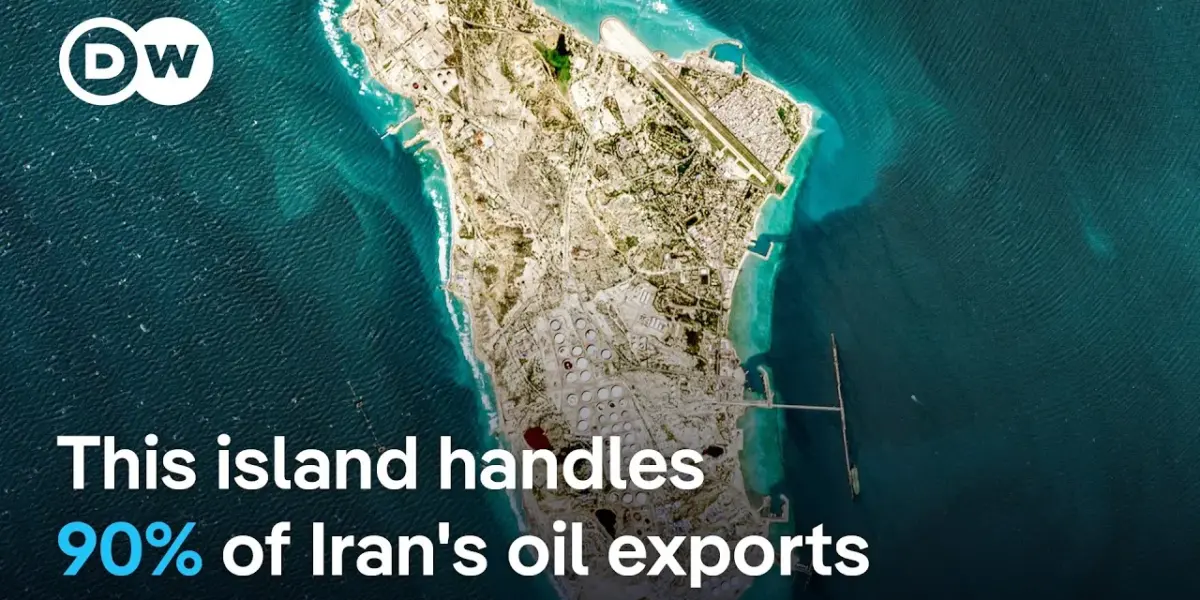
Speculation is mounting that the United States may be considering a strategic move against Iran’s vital oil infrastructure, with Kharg Island emerging as a focal point of potential military action. The island, a critical nexus for Iran’s crude oil exports, sits approximately 30 kilometers off the Iranian coast in the Persian Gulf and represents the terminal for nearly all of the nation’s exported oil. Experts suggest that any attempt to seize the island would necessitate the deployment of ground troops to avoid damaging its extensive oil storage and export facilities.
Kharg Island: Iran’s Economic Backbone
Karen Nuckley, CEO of Crystal Energy in London, emphasized the paramount importance of Kharg Island to Iran’s economy. “It’s definitely of a great importance to Iran because it is the place where Iran offloads its oil production from different fields and exports it to the rest of the world,” Nuckley stated. “So we have almost 90% of what Iran exports to global markets come from that island. So take away that island or wipe it out the map then and you almost destroy the Iranian economy.”
Global Ramifications of Targeting Kharg Island
While Kharg Island’s primary significance lies within Iran, its disruption would inevitably send ripples through the global economy, albeit with caveats. Nuckley explained that the island’s importance to the global market is directly tied to the volume of Iranian oil exports. “Given the fact that the majority of those exports go through that island, and therefore they are important for the global economy,” she noted. “Mind you, Iran’s capacity to export is much more than we have seen in recent years because of sanctions.”
Currently, the vast majority of Iran’s oil exports are directed towards China. Nuckley highlighted that even small volumes of oil can be significant in a tight global market, particularly when demand is rising rapidly. However, she cautioned, “It’s not to say that it is really essential for global oil markets. It’s more essential for the Iranian economy.” The impact on global prices would be more pronounced if such a disruption occurred during periods of high demand and limited supply from other producers.
The Temptation and Peril of Targeting the Island
The strategic value of Kharg Island makes it a tempting target for both the United States and Israel seeking to cripple Iran’s financial capabilities. “If you really want to weaken the financial power of the Iranian regime, that would be the perfect target, right? You wipe out 90% of their exports and therefore you cripple the Iranian regime financially or at least they cannot sponsor anymore their activities, military activity,” Nuckley explained. She added that this temptation remains a viable option, having not been removed from consideration.
However, the risks associated with such an operation are substantial. Nuckley outlined two primary categories of risk: immediate and long-term. The immediate risk involves the potential for Iranian retaliation. “If you do that then you don’t know what kind of trigger you’re going to unleash when it comes to retaliation,” she warned. This could lead to Iran widening its attacks on regional neighbors, potentially causing oil prices to surge further.
The longer-term implications are equally concerning. Even if the US and Israel were successful in taking the island, potentially leading to a regime change, the subsequent government would still require revenue to rebuild a crippled economy. “So you are depriving whatever regime comes afterwards for an important source of revenue,” Nuckley pointed out. “So it carries both risks in the short term and in the longer term.”
China’s Stake and Potential Reaction
China, as the primary recipient of Iranian oil, would be significantly impacted by any disruption to Kharg Island’s operations. Nuckley elaborated on the unique benefits China derives from purchasing sanctioned oil. “When you are buying sanctioned oil, oil which is not supposed to be traded in global markets or at least not at market prices, then you have a leverage because not many other buyers want to buy that oil and therefore you can force discounted prices on the seller,” she said.
This access to discounted oil, similar to that from Russia and Venezuela, has been a key advantage for China. If China were to lose access to Iranian oil, it would be compelled to seek supplies from elsewhere at higher market prices. This would not only increase its energy costs but also potentially reduce its negotiating power in the global oil market.
Looking Ahead
The ongoing strategic considerations surrounding Kharg Island underscore the complex geopolitical dynamics at play in the Middle East. While the potential to significantly weaken Iran’s economy is a clear strategic objective for adversaries, the substantial risks of escalation and long-term economic repercussions cannot be ignored. Future actions will likely depend on the evolving political climate, global energy market conditions, and the perceived efficacy versus the potential fallout of such a high-stakes operation.
Source: Iran war: Speculation mounts that US wants to sieze Kharg Island | DW News (YouTube)

Related Articles


Israel’s War Goals Under Scrutiny: Top Netanyahu Adviser Speaks Out
Caroline Glick, an adviser to Israeli Prime Minister Netanyahu, detailed Israel's war aims in an interview with DW News, focusing on preventing a nuclear Iran and curbing regional influence. Her remarks come amid international questions about the strategic clarity of the conflict.

US Missile Strike on Iran Girls’ School Sparks Outrage
An apparent US missile strike in southern Iran has killed at least 165 people, mostly children, near a girls' school. Open-source analysis identified Tomahawk missiles, exclusively US-made, but President Trump claims Iran is responsible. The incident raises critical questions about international law violations and military targeting protocols.


Ukraine’s Defense Industry Surges Amidst War, Becoming a Global Leader
Ukraine's defense industry has surged 35 times in four years, transforming the nation into a global drone superpower and a key innovator in modern warfare. Despite facing constant attacks, Ukraine is now sharing its combat-proven expertise with allies, shifting from a recipient of aid to an indispensable partner in global security.