Iran Targets Oil and Water, Threatening Global Stability
The Iran war is escalating as both sides increasingly target vital civilian infrastructure, including oil reserves and critical water desalination plants. This strategic shift poses a severe threat to regional stability and global energy markets.

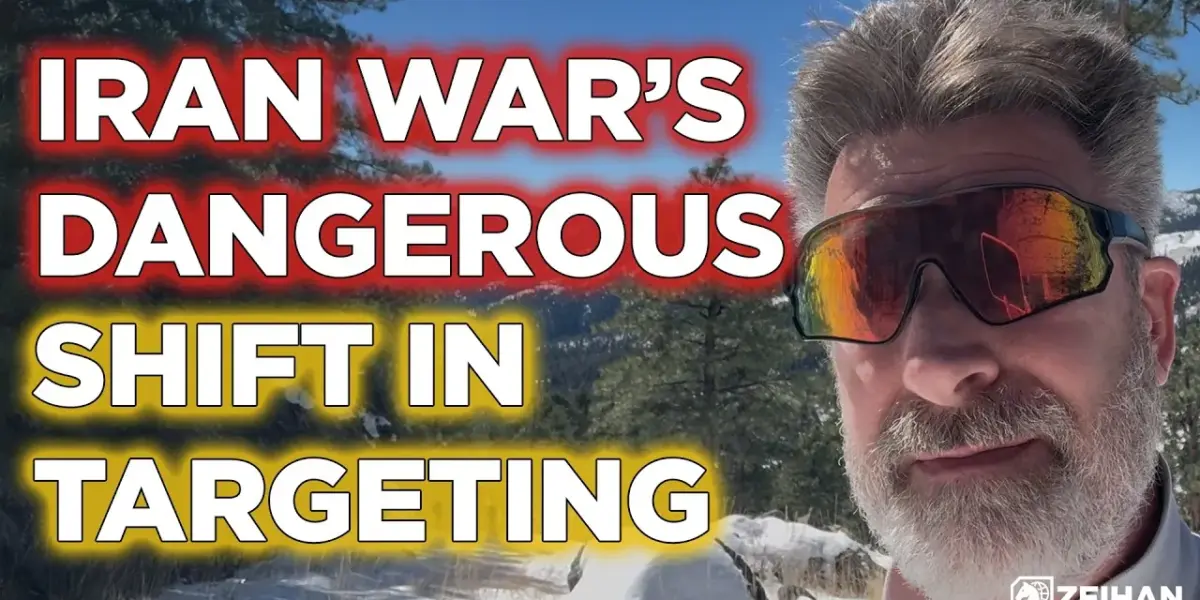
Iran Escalates Conflict: New Tactics Target Vital Resources
The ongoing conflict involving Iran has entered a concerning new phase, with both sides increasingly targeting civilian infrastructure, particularly vital resources like oil and water. This strategic shift, moving beyond traditional military and political objectives, signals a potentially devastating escalation with far-reaching global implications. As Peter Zeihan notes, this represents a significant change in targeting priorities, moving towards paralyzing the very systems that allow everyday life and economic activity to function.
Israeli Strikes on Refined Oil Products
In recent developments, Israeli forces have begun striking tank depots containing refined oil products, such as gasoline and diesel, primarily in the capital region. While these attacks have not yet impacted pipeline systems, pumping infrastructure, or refineries themselves, they represent a direct assault on the stored energy reserves necessary for daily movement and commerce. The timing of these strikes, occurring over a recent weekend, suggests a potential preparation for larger offensive actions aimed at crippling mobility and economic function. The full impact and intent behind these actions are still unfolding, but the targeting of refined products is a clear departure from previous strategies.
Iranian Attacks on Desalination Facilities
Conversely, Iran has also intensified its efforts, targeting civilian infrastructure in Gulf States, despite official statements to the contrary. A particularly significant event was the attack on a desalination facility in Bahrain. While the facility was not destroyed and the extent of the damage remains unclear, the implications are profound. For countries in the Persian Gulf region, such as Kuwait, the United Arab Emirates, and Bahrain, desalination is not a luxury but a lifeline. These nations, situated in arid desert environments with no significant natural freshwater sources, rely heavily on desalination plants to provide their water supply.
The Criticality of Desalination
- Kuwait depends on desalination for approximately 90% of its water needs.
- The UAE and Qatar rely on reverse osmosis technology for about half of their water supply.
A sustained or widespread attack on desalination infrastructure, or the power grids that supply them, could lead to a rapid and catastrophic crisis. Zeihan emphasizes that without these facilities, these nations face a swift descent into de-industrialization and potential mass death within days, as there are no readily available backup systems or neighboring states with surplus water to provide aid. The use of Shahed drones, which are programmed with specific coordinates, indicates that the attack on the Bahrain facility was deliberate and not accidental. Given Iran’s capacity to produce hundreds of these drones weekly, further attacks on similar infrastructure are a distinct possibility.
Disruption of Global Oil Supply
Adding to the escalating tensions, the Persian Gulf has experienced significant disruption to shipping traffic for an extended period. For ten days, approximately 150 million barrels of crude oil have been prevented from reaching global markets. This represents a substantial 15% of the world’s daily oil supply. The impact is already being felt, with oil prices nearing the $100 per barrel mark, even without direct damage to major oil production facilities. This disruption highlights the vulnerability of global energy markets to regional conflicts and underscores the interconnectedness of geopolitical stability and economic well-being.
Broader Implications and Future Outlook
The shift in targeting strategies by both sides signifies a dangerous escalation. By focusing on essential civilian infrastructure like oil storage and water desalination, the conflict moves beyond conventional military objectives and directly impacts the daily lives and long-term survival of civilian populations. This approach risks triggering humanitarian crises and destabilizing entire regions.
Why This Matters
The targeting of oil and water infrastructure has immediate and severe consequences. For oil-producing nations in the Gulf, disruptions to supply can lead to significant economic shockwaves, impacting global markets and potentially triggering inflation. For water-scarce nations reliant on desalination, attacks on these facilities pose an existential threat, risking widespread shortages, social unrest, and humanitarian emergencies. This escalation also widens the scope of the conflict, drawing in more actors and increasing the potential for miscalculation and unintended consequences.
Historical Context and Trends
Historically, conflicts have often targeted infrastructure to cripple an adversary’s ability to wage war or sustain its population. However, the deliberate targeting of resources as fundamental as water in densely populated, arid regions, or the disruption of global energy supplies by closing off vital shipping lanes, represents a modern and particularly perilous evolution of warfare. This strategy leverages the inherent vulnerabilities of highly interconnected and resource-dependent societies. The increasing sophistication and proliferation of drone technology further enable such asymmetric attacks, making it harder to defend against them and easier to inflict widespread damage.
Future Outlook
The current trajectory suggests a continued escalation of unconventional warfare tactics. The focus on energy and water resources is likely to persist, with potential for further attacks on similar infrastructure. The global economic impact, particularly on energy prices and supply chains, will remain a significant concern. International efforts to de-escalate the conflict and ensure the protection of civilian infrastructure will be crucial in preventing a wider humanitarian and economic catastrophe. The coming weeks and months will be critical in determining whether this dangerous new phase of the Iran war leads to a wider conflagration or a return to more conventional, albeit still devastating, forms of conflict.
This analysis is based on insights from Peter Zeihan’s commentary.
Source: The Iran War’s New Targets: Oil, Water, and Global Chaos || Peter Zeihan (YouTube)

Related Articles


Trump’s War Costs Ignite Fury Across Political Divide
As the US expends billions on a new Middle East conflict, questions about cost, rationale, and broken promises ignite fury across the political divide. Even Fox News and conservative figures are voicing concerns, highlighting the growing public unease with escalating warfare.


Iran War Boosts Rubio’s Profile Amid 2028 Presidential Race
As the US engages in military action against Iran, Secretary of State Marco Rubio's profile has risen, fueling 2028 presidential speculation. Former President Trump's fundraising poll highlights his focus on succession, while JD Vance remains a strong contender. The duration of the Iran conflict and its impact on public opinion will be key factors.
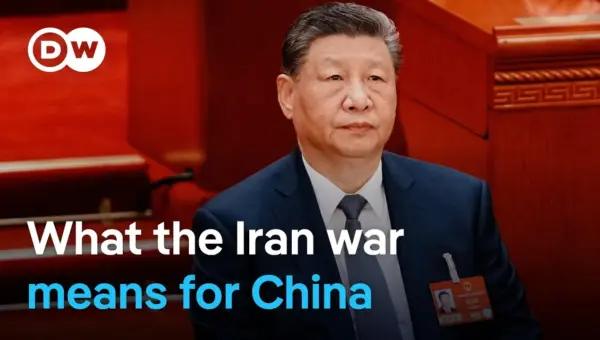
China’s Iran War Stance: Strategic Restraint Amid Global Rivalry
China's subdued response to the Iran war, despite significant economic ties, highlights a strategic approach prioritizing self-interest over alliance obligations. This calculated restraint, analysts suggest, is part of Beijing's long-term strategy to gain global influence by allowing geopolitical rivals to expend resources.