UK Blocks US Request to Use British Bases for Iran Strikes, Citing International Law Concerns
UK Prime Minister Keir Starmer has reportedly blocked US requests to use British military bases for potential air strikes against Iran, citing international law concerns. This decision has prompted President Trump to withdraw support for the UK's Chagos Islands deal, creating a diplomatic crisis between the longtime allies.

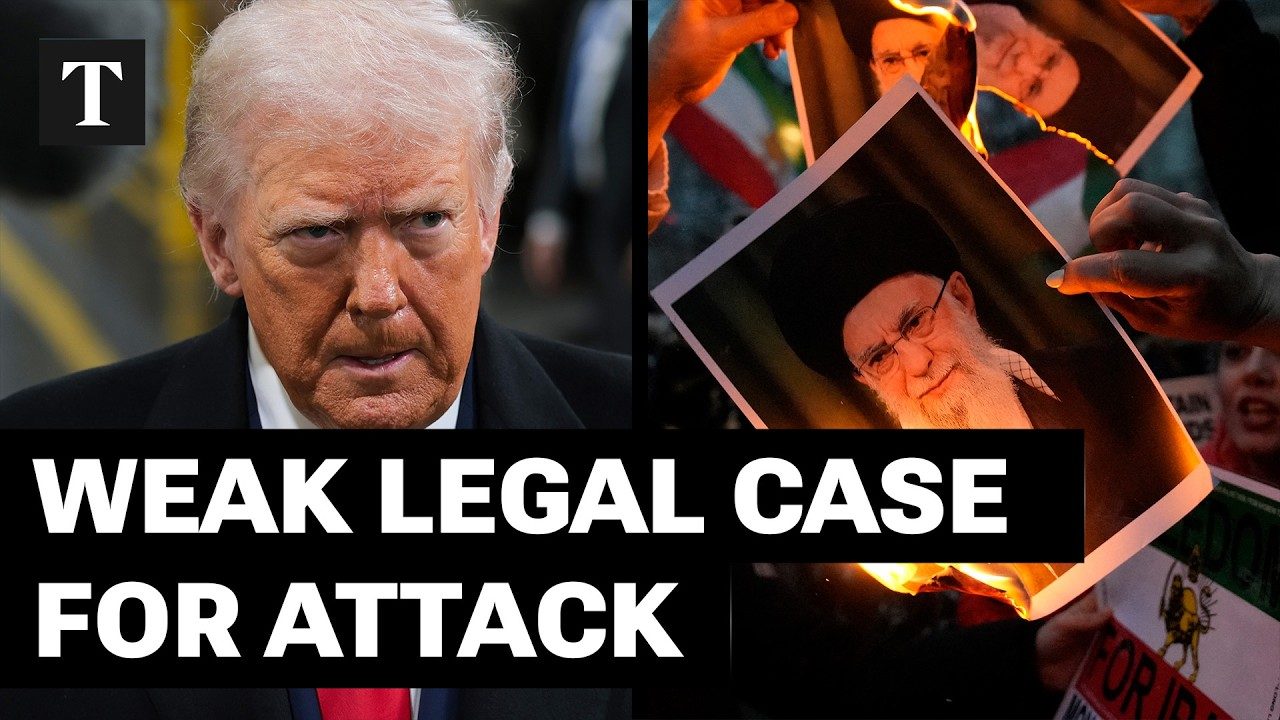
The relationship between British Prime Minister Keir Starmer and President Donald Trump has come under significant strain over military cooperation and international law concerns, as the UK has reportedly blocked US requests to use British military bases for potential air strikes against Iran.
Chagos Islands Deal in Jeopardy
According to recent reports, Prime Minister Starmer has declined a request from President Trump to allow the United States to use British air bases in Gloucestershire and on Diego Garcia in the Chagos Islands to launch air strikes against Iran. The Prime Minister is believed to have stated that such action would constitute a breach of international law.
This decision has prompted President Trump to withdraw his administration’s approval for the UK’s controversial plans for the Chagos Islands, creating a diplomatic crisis between the two longtime allies. The deal, which had previously received endorsement from the US system, now faces an uncertain future following Trump’s public statement on Truth Social withdrawing support.
Strategic Importance of Diego Garcia
Diego Garcia’s strategic importance cannot be overstated in US military operations. The island base, located in the middle of the Indian Ocean, serves as a crucial staging point for long-range military operations. Matthew Savill, Director of Military Sciences at RUSI (Royal United Services Institute), explained that the base provides essential refueling capabilities for aircraft traveling from the US to the Middle East.
“Aircraft that have flown westwards from the US and that are traveling over the Pacific would stop there on the way to the Middle East or Afghanistan or they would be refueled by other aircraft that took off from there,” Savill noted during a recent interview.
The base has historical significance in US military operations, having been used for the very first air strikes against Afghanistan following September 11th. While not critical for potential Iran operations—as demonstrated by successful long-range bomber missions launched directly from the continental US—Diego Garcia provides valuable operational flexibility for surveillance, refueling, and other support aircraft.
International Law Considerations
The legal framework surrounding potential military action against Iran presents complex challenges. Under the UN Charter, there is theoretically a high bar for the use of force internationally, predominantly limited to self-defense or restoring international order. However, modern military interventions often invoke concepts like the “responsibility to protect” to prevent massacres or genocide.
Savill emphasized the importance of clear objectives in determining legal justification: “You can’t simply say, ‘Well, the Iranians are bad and they’ve massacred lots of their population and therefore they should be punished.’ That’s not really a strong legal argument, even if it might seem like a strong moral argument.”
The expert suggests that the US hasn’t provided sufficient clarity on what it intends to achieve through potential military action, making it difficult for the UK to assess the military necessity and legal basis for such operations.
Escalating Regional Tensions
The situation reflects broader tensions in the Middle East, with both US and Iranian forces positioning themselves as if military confrontation may be inevitable. The US has been assembling larger forces in the region, while questions remain about whether ongoing diplomatic talks are conducted in good faith or merely serve as delaying tactics.
“I think we are certainly moving into a situation where there is a danger that both sides act as if strikes are inevitable and therefore they become inevitable,” Savill warned, highlighting the precarious nature of current regional dynamics.
The potential involvement of Israel adds another layer of complexity to any military calculations, as coordination between US and Israeli forces could significantly impact the scope and nature of potential operations.
UK-US Military Cooperation History
This disagreement represents a notable departure from typical UK-US military cooperation. Historically, Britain has supported American military strikes in various contexts, though often with caveats or diplomatic silence on controversial aspects.
The UK’s position on previous US military actions has been nuanced. For instance, Britain remained conspicuously quiet about the legal basis for US strikes on Iranian nuclear facilities, while supporting Israel’s right to defend itself against Iranian ballistic missile attacks. Similar diplomatic complexities have emerged regarding US military activities in other regions, including strikes on drug runners off the South American coast.
Uncertain Path Forward
The future of both the Chagos Islands deal and UK-US military cooperation remains unclear. The UK government has indicated it may proceed with the Chagos deal despite Trump’s withdrawal of support, possibly hoping for a change in the US position or viewing Trump’s statement as political posturing rather than definitive policy.
However, the broader implications for the “special relationship” between the UK and US could be significant. As military experts note, the situation highlights the challenges of maintaining alliance relationships when fundamental disagreements emerge over international law and military intervention policies.
The ongoing diplomatic tensions underscore the complex balance between moral arguments for intervention and legal frameworks governing international military action, a debate that continues to shape global security policy in an increasingly volatile world.
Source: US Would Not Have A Strong Legal Case For Bombing Iran | Matthew Savill (YouTube)

Related Articles
Trump’s Global Chaos: Might Makes Right?
Donald Trump's actions, from challenging international law to embracing a Christ-like image, are reshaping the global order. This shift towards 'might makes right' creates instability and emboldens adversaries, while figures like the Pope warn of a loss of human dignity and justice.


US Blockade Triggers New Global Chaos
The U.S. Navy's blockade of the Strait of Hormuz escalates tensions with Iran, risking global conflict and economic fallout. This move challenges international law and sets a dangerous precedent for controlling vital trade routes.

General Warns of War Crime Trials for U.S. Military
Retired U.S. Army Brigadier General Steve Anderson warns that U.S. military members could face Nuremberg-style trials for war crimes. He criticizes former President Trump's handling of international conflicts, particularly in Iran, calling it a major geopolitical blunder. Anderson urges strategic international action for accountability after the current administration.