Trump’s ‘Braggadocious’ Iran Rhetoric Risks Alienating MAGA Base
Donald Trump's aggressive rhetoric regarding the conflict in Iran is drawing criticism for potentially alienating his MAGA base, who may oppose prolonged foreign wars. Analysts suggest the "braggadocious" language, while appealing to some, risks being a "turnoff" for key voters. This debate occurs amidst broader discussions of geopolitical shifts and the end of the globalization era.

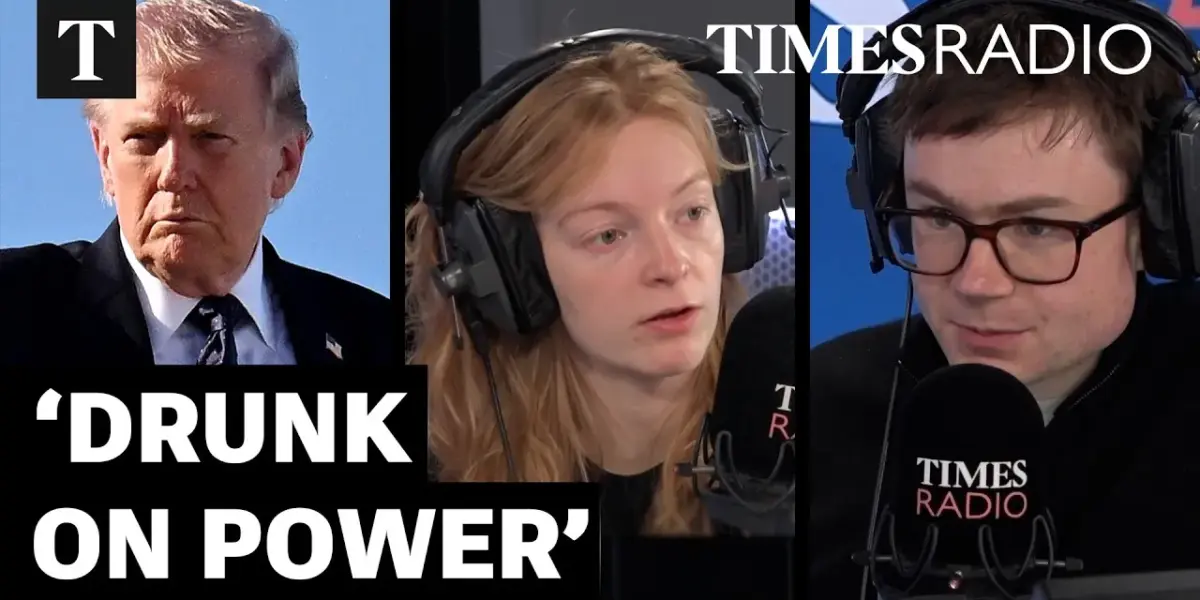
Trump’s Aggressive Iran Stance Sparks Controversy Amidst Base Concerns
Former President Donald Trump’s recent pronouncements regarding the ongoing conflict in the Middle East, particularly concerning Iran, have ignited debate, with critics suggesting his “braggadocious” and aggressive rhetoric could alienate key segments of his own political base. As the world grapples with the complexities of the war, Trump’s forceful language, echoing a “winning decisively, devastatingly, and without mercy” sentiment, stands in stark contrast to traditional political discourse and may prove to be a strategic misstep, particularly with American voters who have shown strong opposition to prolonged foreign entanglements.
Rhetoric Under Scrutiny: “Punching Them While They’re Down”
In the wake of escalating tensions, Donald Trump and his allies, including Secretary of War Pete Hexith, have employed exceptionally strong and often inflammatory language to describe the conflict. Phrases such as “This was never meant to be a fair fight, and it is not a fair fight. We are punching them while they’re down,” and “They are toast and they know it… America is winning decisively, devastatingly, and without mercy,” have been widely circulated. This bombastic style, while perhaps intended to project strength and resolve, is being questioned for its strategic efficacy and its potential to backfire.
“I think very firmly the latter [referring to impressing the base]. I think it’s interesting, you know, we’re very used to the kind of nutty, bombastic, self-aggrandizing language from Trump and his lieutenants.”
The analysis suggests that while such language might appeal to a core group within Trump’s base who appreciate forthrightness and a perception of strength, it could simultaneously be a significant “turnoff” for a broader segment of Republican voters who are wary of foreign wars and prefer a more restrained foreign policy. Polling data indicates a general opposition to prolonged military involvement, making Trump’s aggressive stance potentially counterproductive.
The “Strong Silent Type” vs. Trump’s Rhetorical Style
The commentary draws a parallel between Trump’s vocal and often boastful communication style and a more traditional American archetype of the “strong silent type,” embodied by figures like John Wayne and Clint Eastwood. This contrast is highlighted as a potential weakness, with some observers suggesting that Trump’s approach appears less like stoic strength and more “cheap” or “beta.” The discussion also touches upon the “cinematic social mediaized clipped up version of war” that figures like Trump seem to favor, likening it to a Marvel superhero film rather than the grim reality of conflict.
“This is not strong and silent. This is something else. It just looks I don’t know. It looks cheap. It looks beta.”
This perspective argues that the sanitization of war through media and rhetoric, a criticism also leveled at the Iraq War, removes the public from the visceral and often brutal reality of armed conflict. While Trump’s administration is accused of talking about war in a more evocative way than previous administrations, the context of their pronouncements is seen as self-aggrandizing and detached from the human cost.
Political Calculations and the Search for Legacy
The motivations behind Trump’s rhetoric are explored, with speculation that it may stem from a desire to secure a legacy, particularly as he enters what is described as a “lame duck” phase of his presidency. Foreign policy and intervention are areas where a president has significant control, and Trump’s strong stance could be an attempt to define his historical impact. His past comments about seeking to “get into heaven” and his reported pique at not receiving a Nobel Peace Prize suggest a deep-seated concern with his place in history.
Broader Geopolitical Shifts and the End of an Era
Beyond the specific rhetoric surrounding the Iran conflict, the discussion broadens to encompass significant geopolitical shifts, including the end of globalization and the rise of a more unstable world order. The era of the early 2000s, characterized by openness, cheap travel, and interconnected supply chains, is contrasted with the current reality of instability, disrupted trade, and resurgent nationalism. This shift is seen as a fundamental change in the global landscape, impacting everything from energy policy to international relations.
“The world which we enjoyed in the naughties, in the ’90s to for the first half of 2010 has sort of created the shocks and the instability we see now.”
The fragility of modern supply chains, as evidenced by disruptions in the availability of essential goods, underscores this new reality. The inability of individual nations, even those with strong convictions like the UK’s commitment to net-zero emissions, to significantly influence global trends highlights a sense of impotence in the face of larger international forces. This leads to a re-evaluation of leadership, suggesting that future political leaders will need to focus more on navigating global turbulence than on imposing their will domestically.
Looking Ahead: Navigating a Turbulent World
As the conflict in the Middle East continues and the global geopolitical landscape evolves, the impact of Trump’s rhetoric on his base and his broader political standing remains a key point of observation. The discussion also underscores a fundamental shift in the nature of global politics, moving away from an era of perceived stability and interconnectedness towards one marked by uncertainty and the resurgence of national interests. The ability of leaders to “steady the ship” in this turbulent new age, rather than enforce a grand vision, will likely define political success in the years to come.
Source: Trump's ‘Braggadocious’ Iran Rhetoric Risks Upsetting Maga Base (YouTube)

Related Articles

Trump’s War Costs Ignite Fury Across Political Divide
As the US expends billions on a new Middle East conflict, questions about cost, rationale, and broken promises ignite fury across the political divide. Even Fox News and conservative figures are voicing concerns, highlighting the growing public unease with escalating warfare.
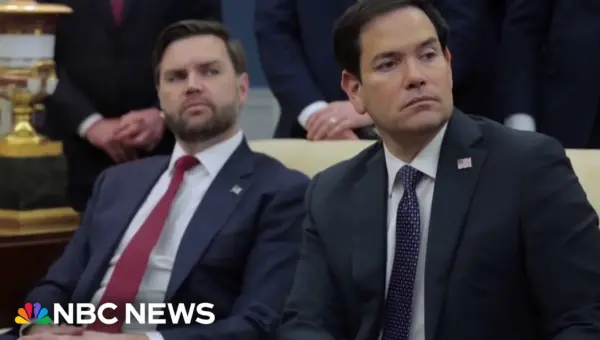
Iran War Boosts Rubio’s Profile Amid 2028 Presidential Race
As the US engages in military action against Iran, Secretary of State Marco Rubio's profile has risen, fueling 2028 presidential speculation. Former President Trump's fundraising poll highlights his focus on succession, while JD Vance remains a strong contender. The duration of the Iran conflict and its impact on public opinion will be key factors.
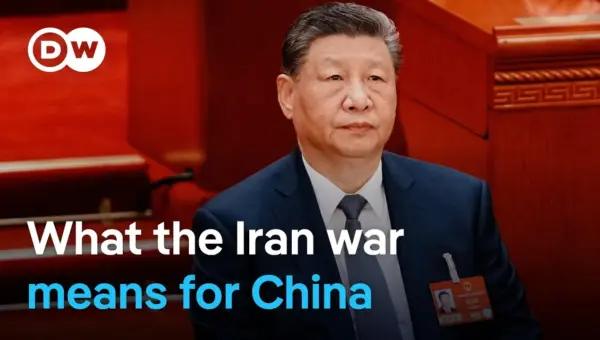
China’s Iran War Stance: Strategic Restraint Amid Global Rivalry
China's subdued response to the Iran war, despite significant economic ties, highlights a strategic approach prioritizing self-interest over alliance obligations. This calculated restraint, analysts suggest, is part of Beijing's long-term strategy to gain global influence by allowing geopolitical rivals to expend resources.