Putin’s Gambit: Trump’s Unsettling Silence on Russia’s Alliance with Iran
Sir Bill Browder dissects Donald Trump's seemingly contradictory statements regarding Vladimir Putin and the Russia-Iran alliance. Browder argues that Trump's positive framing of his call with Putin, coupled with a lack of condemnation for Russia's ties with Iran, suggests underlying motivations beyond stated national interests, potentially linked to business deals.

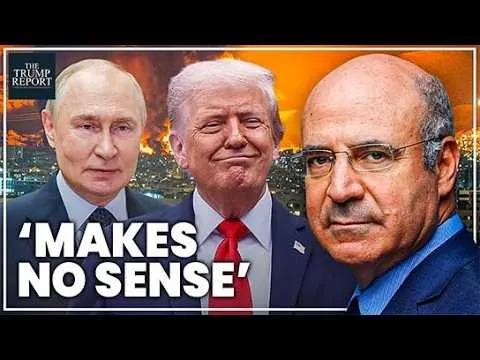
Rethinking Russia’s Global Standing Amid Shifting Alliances
The geopolitical landscape is a complex tapestry, woven with threads of strategic alliances, economic interests, and ideological conflicts. In this intricate web, the actions and statements of key global players often carry profound implications, demanding careful analysis. Sir Bill Browder, a seasoned investor and political activist, offers a critical perspective on the recent pronouncements and perceived alignments involving Donald Trump, Vladimir Putin, and the escalating tensions surrounding Iran and Ukraine.
Trump’s ‘Positive Call’ with Putin: A Disconnect from Reality?
Donald Trump’s assertion of having a “very good call” with Vladimir Putin, discussing Ukraine and the Middle East, has raised eyebrows and prompted scrutiny. Trump suggested that Putin expressed a desire to be “constructive” and “helpful,” particularly in resolving the conflict in Ukraine. However, Browder finds this framing “absurd.” He posits that Putin’s primary avenue for helpfulness would be to cease his aggression in Ukraine entirely – to withdraw, stop killing civilians, and halt the bombing of infrastructure. Browder highlights a litany of other actions Putin could take to be considered genuinely helpful, including ceasing to provide targeting information to Iran for strikes against American soldiers, refraining from threatening NATO allies, and abandoning acts like digging up internet cables and assassinations.
“If something doesn’t make sense on the surface, then there’s something else going on, some other information that you don’t have access to.”
Sir Bill Browder
The Iran-Russia Nexus: A Troubling Alignment
Adding another layer to this complex geopolitical puzzle is the deepening alignment between Russia and Iran. Putin recently reaffirmed Russia’s “unwavering support” for Iran, a stance that contrasts sharply with Trump’s earlier criticism of Iran’s new supreme leader. Browder points out the apparent incongruity: while the United States is at odds with Iran, a country seen as an enemy, Russia is solidifying its ties with Tehran. This alignment, he argues, does not make sense on the surface, suggesting that “something else is going on.” In a normal scenario, a US president would likely react with strong disapproval to a major power aligning with an adversary. The absence of such a reaction from Trump, Browder suggests, points to underlying factors, possibly related to business interests, that might be influencing his stance.
Ukraine’s Offer and US Rejection: A Tactical Blunder?
The narrative becomes even more convoluted when considering Ukraine’s technological contributions and the US response. Axios reported that Ukraine offered battle-tested technology for shooting down Iranian drones months ago, a proposal that was reportedly rejected by the Trump administration at the time. Now, the US is reportedly seeking Ukrainian assistance in this area. Browder explains the critical nature of this issue: Iranian drones are relatively inexpensive to produce, while interceptors like Patriot missiles are costly. This creates a significant cost asymmetry that could strain allied resources if the conflict persists. He notes the irony of Trump’s past dismissiveness of Ukraine’s leverage, suggesting that Ukraine now possesses crucial “cards” in the form of effective counter-drone systems.
Sanctions Relief and Economic Motivations
Further complicating matters is the Trump administration’s decision to temporarily ease oil-related sanctions on Russia, allowing countries like India to purchase Russian oil. This move comes at a time when global supply is being impacted by conflicts in the Middle East. Browder views this as potentially premature and counterproductive to the goal of ending the war in Ukraine. By allowing Russia to sell more oil, Putin’s capacity to fund the war effort is effectively doubled. He argues that if sanctions were intended to deprive Russia of funds, this action is a “gift” to Putin, undermining efforts to achieve peace.
Putin’s Diminishing Global Footprint
Despite the immediate economic benefits Russia might derive from increased oil revenues due to the conflict, Browder contends that Putin is losing something far more significant: his ability to project power globally. He notes that Putin has seen allies like Armenia, Venezuela, and Syria distance themselves since the invasion of Ukraine. This erosion of his global standing, Browder argues, is more detrimental than financial losses. Putin’s strategy has been to appear as a strongman on the world stage. If he is perceived as weak and unreliable, both internationally and domestically, his grip on power could be jeopardized. Browder likens Putin to a “pmpkin leader,” referring to a Russian anecdote about deceptive facades masking an empty reality. He suggests that Putin’s failures in Ukraine and on the world stage could eventually lead to a loss of support within Russia itself.
Taunting Europe and Misinformation
Putin’s offer to resume oil and gas supplies to Europe, which Browder dismisses as “taunting,” highlights the ongoing energy dynamics. Europe, having diversified its energy sources after Russia’s initial cutoffs, is unlikely to revert to dependence. Browder also addresses Trump’s downplaying of a bombing at a girls’ school in Iran, where reports suggest a US-made Tomahawk missile was used. Trump’s suggestion that Iran might have bombed its own school with a stolen Tomahawk missile is, in Browder’s view, a distressing example of misinformation that degrades the credibility of the United States.
Why This Matters
The confluence of these events – Trump’s seemingly conciliatory stance towards Putin, Russia’s deepening alliance with Iran, the strategic implications of the Ukraine war, and the dissemination of potentially false information – carries significant weight. Browder’s analysis underscores the importance of discerning the underlying motivations behind political actions, especially when they appear contradictory to stated national interests. The potential for business incentives to override national security concerns, the erosion of international trust through misinformation, and the long-term consequences of empowering adversaries like Putin are critical issues that demand public attention and rigorous examination.
Implications and Future Outlook
The current geopolitical climate suggests a period of heightened uncertainty. The alignment between Russia and Iran could embolden both nations, while the US response, particularly from figures like Trump, appears to be a subject of ongoing debate and concern. The long-term implications for global stability, the future of energy markets, and the efficacy of international sanctions remain to be seen. Browder’s perspective suggests a future where Putin’s perceived weakness could lead to domestic challenges, while the strategic blunders, such as rejecting Ukraine’s early offers of assistance, could have lasting repercussions.
Historical Context
The current situation is framed against a backdrop of Russia’s historical foreign policy objectives and its evolving relationship with the West. Putin’s pre-invasion strategy aimed at reasserting Russian influence, while the war in Ukraine has undeniably reshaped global perceptions of Russian power and reliability. The historical context of US foreign policy decisions, including the use of sanctions and the formation of alliances, also provides a framework for understanding the current dynamics. The legacy of the “Russian Hoax” narrative, mentioned by Browder, further illustrates the charged political environment in which these discussions are taking place.
Source: Trump simply isn’t ‘making any sense’ | Sir Bill Browder (YouTube)

Related Articles

Trump’s War Costs Ignite Fury Across Political Divide
As the US expends billions on a new Middle East conflict, questions about cost, rationale, and broken promises ignite fury across the political divide. Even Fox News and conservative figures are voicing concerns, highlighting the growing public unease with escalating warfare.
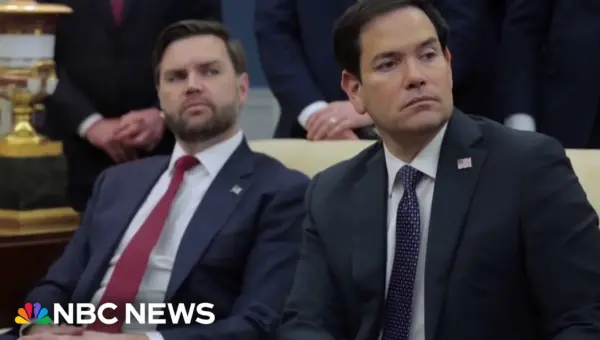
Iran War Boosts Rubio’s Profile Amid 2028 Presidential Race
As the US engages in military action against Iran, Secretary of State Marco Rubio's profile has risen, fueling 2028 presidential speculation. Former President Trump's fundraising poll highlights his focus on succession, while JD Vance remains a strong contender. The duration of the Iran conflict and its impact on public opinion will be key factors.
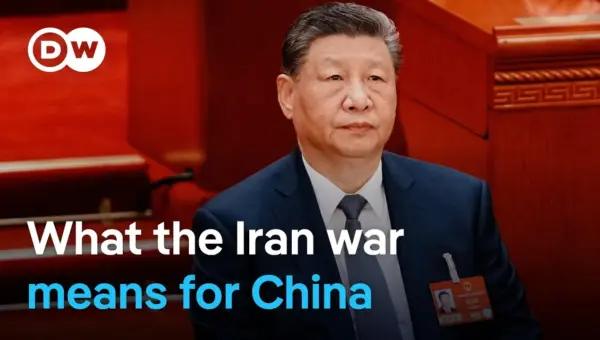
China’s Iran War Stance: Strategic Restraint Amid Global Rivalry
China's subdued response to the Iran war, despite significant economic ties, highlights a strategic approach prioritizing self-interest over alliance obligations. This calculated restraint, analysts suggest, is part of Beijing's long-term strategy to gain global influence by allowing geopolitical rivals to expend resources.