Ethereum’s Gas Limit Hike Fuels Scam Surge, Weakens Tokenomics
A new report from K33 Research argues that Ethereum's Fusaka upgrade, intended to boost scalability, has inadvertently led to a surge in scam transactions and weakened the network's tokenomics. The analysis highlights concerns over address poisoning attacks and diminished validator incentives, potentially impacting ETH's long-term value.

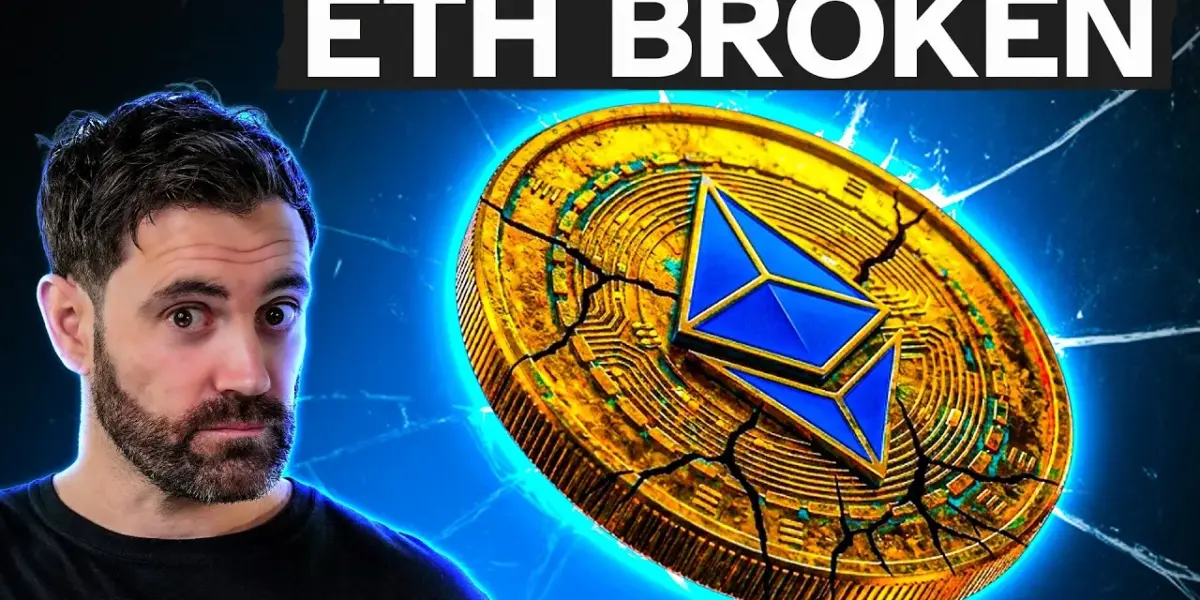
Ethereum’s Post-Fusaka Landscape: A Tale of Unforeseen Consequences
The cryptocurrency market, particularly the altcoin sector, has faced a challenging period. Even Ethereum (ETH), the second-largest cryptocurrency by market capitalization, struggled to surpass its 2021 all-time high during the recent bull run and now faces uncertainty in the current bear market. Amidst this, a new report from K33 Research has cast a bearish shadow over ETH, challenging optimistic outlooks and highlighting significant, potentially detrimental, side effects of Ethereum’s recent Fusaka upgrade.
K33 Research’s Bearish Thesis: “Ethereum: What Vitalik Knows and Tom Lee Doesn’t”
The report, titled “Ethereum: What Vitalik Knows and Tom Lee Doesn’t,” delves into the core use cases of Ethereum today: serving as a settlement layer for stablecoins and hosting tokenized real-world assets (RWAs). While Ethereum is recognized for its robust security and decentralization, it has historically been criticized for being slow and expensive, especially when compared to competitors like Solana. The Fusaka upgrade, implemented in December 2025, aimed to address these issues by doubling the network’s gas limit from 30 million to 60 million units, a move intended to enhance scalability.
The Paradox of Increased Activity
Following the Fusaka upgrade, Ethereum has witnessed a significant surge in transaction volume and active addresses. This uptick has been interpreted by some, including Bitwise’s chairman Tom Lee, as a sign of the upgrade’s success and growing institutional adoption. Lee, who has been a prominent ETH bull, even revising his price targets upwards, argued that this increased utility indicated Ethereum was not in a “death spiral.” However, K33 Research contends that these bullish metrics are, in fact, driven by bearish factors, a perspective they claim is overlooked by optimistic analysts.
Vitalik Buterin’s ETH Sales and the “Austerity” Period
A key piece of evidence cited by K33 Research to support their bearish thesis is the recent selling activity by Ethereum co-founder Vitalik Buterin. In late January, Buterin announced plans to sell over 16,000 ETH, citing the Ethereum Foundation’s entry into a “period of mild austerity.” This was followed by another sale of over 19,000 ETH in February, collectively worth tens of millions of dollars. While the stated goals of this austerity were to accelerate development and ensure the foundation’s long-term sustainability, the report’s authors suggest these sales could signal a deeper issue: that the Fusaka upgrade may have inadvertently disrupted Ethereum’s tokenomics.
The Rise of Address Poisoning Attacks
One of the most concerning findings in the report is the dramatic increase in address poisoning, also known as dust attacks, on the Ethereum network following the Fusaka upgrade. Address poisoning is a scam where attackers send minuscule, low-cost transactions from a wallet address that mimics a legitimate one. The aim is to trick users into mistakenly copying the fraudulent address for future transactions, leading to funds being sent to the attacker. Historically, these attacks were more prevalent on blockchains with lower transaction fees, such as BNB Smart Chain, due to the negligible cost of sending dust transactions.
Fusaka’s Impact on Transaction Costs and Attack Viability
The Fusaka upgrade, by significantly reducing Ethereum’s transaction fees by approximately 90%, has made these attacks far more viable on the network. With the cost per poisoning attempt dropping to around 3 cents, attackers can now target millions of Ethereum wallets with a much lower barrier to entry. K33 Research’s on-chain analysis revealed a stark increase: 95% of the growth in active wallets since Fusaka were created specifically for dusting attacks. Dust transactions now constitute an estimated 18% of all Ethereum transactions, a figure that has been steadily rising since the upgrade.
- Pre-Fusaka (November 2025): 4.4 million poison transactions (9.5% of total).
- December 2025: 6.3 million poison transactions (12% of total).
- January 2026 (Post-Fusaka): 13 million poison transactions (18% of total).
- February 2026: Nearly 14 million poison transactions (over 22% of total).
Real-World Evidence of Exploitation
To illustrate the severity of the problem, the report’s authors conducted a practical test. They created two new wallet addresses and transferred $500 between them. Within five minutes, both wallets were targeted by poisoning attempts from three separate wallets whose addresses shared the same first and last characters as the new addresses. This demonstrates how attackers, likely using bots to scan for new or active transactions, can quickly identify targets, generate matching addresses, and initiate scam transactions.
Research from Carnegie Mellon University, cited in the report, found that between July 2022 and June 2024, over 270 million poisoning attacks occurred across Ethereum and BNB Smart Chain, resulting in over $83 million in illicit gains. Alarmingly, in just two months (December 2025 to January 2026), over $50 million was reportedly stolen through these methods. At the time of the report’s publication, an estimated $348 million had been siphoned via poison address attacks.
Questioning Vitalik’s Gas Fee Calculations
The report also scrutinizes the effectiveness of the Fusaka upgrade in reducing gas fees, suggesting that Vitalik Buterin’s calculations may have been inaccurate. The upgrade was based on a formula developed by Buterin in 2018, which, along with input from initiatives like “Pump the Gas” (PTG), estimated a 10-30% reduction in transaction costs. However, the actual reduction observed was over 90%.
The authors attribute this discrepancy to two main factors:
- EIP-1559’s Unupdated Elasticity Estimates: The Ethereum Improvement Proposal 1559, implemented in 2021 to restructure gas fees and validator rewards, may have had its elasticity estimates for block size and transaction fees not updated in line with the gas limit increase.
- Evolution of the Ethereum Ecosystem: Vitalik’s original 2018 calculations did not account for the significant growth of Layer 2 scaling solutions like Arbitrum, Optimism, and Base, which now form a substantial part of Ethereum’s transaction activity.
Degrading Tokenomics and Validator Incentives
The dramatic drop in transaction fees has had a significant impact on Ethereum’s tokenomics, particularly its fee-burn mechanism. With fewer tips paid to validators and a weakened burn rate, the report argues that the economic incentives for securing the network are diminishing. Validators are earning less, leading to lower ETH staking yields. This reduction in yield could decrease the incentive for users to stake their ETH, potentially impacting the network’s security and its attractiveness to institutions, which prioritize robust security for applications like RWA tokenization.
The report highlights a critical point: increased capacity (higher gas limit) without a corresponding increase in demand can lead to compressed economics for validators, resulting in lower or even inflationary ETH issuance. While some argue that current transaction counts reflect genuine economic activity, K33 Research counters that the surge is primarily driven by dust transactions, not organic demand. They also point out that staking demand appears artificially inflated by entities like Bitwise, and that current staking yields (around 2.7%) are lower than safer traditional investments like US Treasuries (around 4.1%). Furthermore, they assert that ETH’s current inflation rate of 0.8% is higher than previously assumed, especially considering the weakening burn mechanism.
Future Challenges: The “Glansterdam” Upgrade
Looking ahead, the upcoming “Glansterdam” upgrade, scheduled for the first half of 2026, is set to further increase the gas limit, from 60 million to a substantial 200 million units. While focused on censorship resistance and block-building efficiency, this increase could exacerbate the existing issues of lower staking yields and the proliferation of poisoning attacks. The report concludes with a stark warning: if these fundamental problems are not addressed, Ethereum could lose market share to competitors and its tokenomics could continue to deteriorate, leaving ETH holders with diminished economic value.
Resilience Amidst Concerns
Despite these significant concerns, Ethereum remains the second-largest cryptocurrency and a dominant force in DeFi, stablecoins, and RWA tokenization, with approximately 57% of all tokenized RWAs residing on the network. Its reputation for robustness and security, contrasted with outages on rival chains like Solana, continues to make it the preferred platform for institutional adoption. The current bear market, while challenging, is also seen as a period where developers can focus on innovation, potentially leading to new solutions and applications emerging on Ethereum. The resilience and development talent within the Ethereum community offer a glimmer of hope that solutions to the current challenges, including the address poisoning problem, may eventually be found.
Source: Ethereum's Upgrade Broke Everything (YouTube)

Related Articles

Bitcoin Surges Amid Global Uncertainty; Ethereum Eyes $80K
Bitcoin's status as a digital store of value is being reinforced amidst global instability, with advocates pointing to its rapid ETF adoption and scarcity. Meanwhile, Ethereum's unique programmability and security are fueling predictions of a potential $80,000 price target, driven by institutional interest and growing network utility.


Bitcoin & Ethereum Poised for Surge Amidst Institutional Adoption
Major cryptocurrencies Bitcoin and Ethereum are showing strong fundamental growth despite price consolidation, fueled by increasing institutional adoption and positive regulatory developments. Analysts predict significant upside potential as "smart money" enters the market.


Ethereum Surges Amidst Building Boom, Analysts Eyeing Accumulation
Despite the ongoing crypto winter, Ethereum (ETH) is witnessing significant development and innovation, prompting analysts to question if building activity can drive price. Strategic accumulation by major players like Bitmine highlights a belief in Ethereum's long-term value.