Iron Man 2: The MCU’s Unsung Blueprint Revealed!
The 2010 film 'Iron Man 2' is being re-evaluated as the unsung blueprint for the Marvel Cinematic Universe's expansive logic and interconnected storytelling. Hosts of the 'Road to Doomsday' podcast argue that despite its mixed reception, the sequel laid crucial groundwork for future MCU installments.


Iron Man 2: The MCU’s Unsung Blueprint Revealed!
The Marvel Cinematic Universe as we know it, a sprawling interconnected narrative that has dominated pop culture for over a decade, owes a surprising debt to a film many fans consider a misstep: 2010’s Iron Man 2. In the latest episode of New Rockstars’ “Road to Doomsday” podcast, hosts Erik Voss and Jessica Clemons revisit the Jon Favreau-directed sequel, arguing that beneath its perceived flaws lies the foundational logic and expansive backstory that paved the way for the MCU’s unprecedented success.
A Sequel Under Pressure
Released just two years after the groundbreaking Iron Man, Iron Man 2 faced immense pressure. It needed to not only continue Tony Stark’s story but also set the stage for future Avengers initiatives, introducing key characters like Black Widow (Scarlett Johansson) and War Machine (Don Cheadle), while also weaving in the nascent S.H.I.E.L.D. narrative with Nick Fury (Samuel L. Jackson) and the introduction of the powerful organization’s director, Phil Coulson (Clark Gregg). The film also had the unenviable task of following up the RDJ-led origin story that had redefined the superhero genre. Jon Favreau, who helmed both films, has spoken openly about the challenges of juggling these ambitious objectives, often feeling pulled in too many directions by studio demands to build out the larger Marvel universe.
The Logic of Expansion
Voss and Clemons contend that Iron Man 2, despite its narrative juggling act, succeeded in establishing crucial elements that became the bedrock of the MCU. The film’s exploration of Stark’s palladium poisoning and his frantic search for a new element to power his suit, while a personal struggle, also served a larger purpose. It demonstrated that the technology and science behind Iron Man were not infallible and could have tangible, life-threatening consequences, raising the stakes for Stark and his inventions. This storyline directly contributed to the broader mythos of advanced technology and its potential dangers, a theme that would resonate throughout subsequent MCU films.
Furthermore, the introduction of Ivan Vanko, a.k.a. Whiplash (Mickey Rourke), provided a compelling antagonist whose motivations stemmed from a perceived injustice against his father by the Stark family. This added a layer of historical depth to the Stark legacy, suggesting that Tony’s triumphs were built on a complex and not always ethical past. The film effectively showed that the world of Iron Man was not isolated but was deeply intertwined with global politics and personal vendettas, a narrative strategy that would become a hallmark of the MCU.
Building the Avengers Initiative
The podcast hosts particularly highlight how Iron Man 2 laid the groundwork for the Avengers. The inclusion of Nick Fury and the persistent presence of S.H.I.E.L.D. agents, including the memorable introduction of Black Widow, were not mere cameos. They were deliberate narrative threads designed to weave a larger tapestry. The mid-credits scene, a now-iconic MCU staple, showing Agent Coulson discovering Thor’s hammer, Mjolnir, in the desert, is cited as a prime example of Iron Man 2‘s forward-thinking approach. This moment, though seemingly small, was a crucial breadcrumb that signaled the impending arrival of other cosmic heroes and the formation of the Avengers.
Audience and Critical Reception
Upon its release, Iron Man 2 garnered a mixed reception from critics and audiences. While generally seen as entertaining, it was often criticized for being overstuffed with plotlines and character introductions, lacking the tight focus of its predecessor. It grossed approximately $623.9 million worldwide, a respectable figure but a noticeable dip compared to the first film’s $585.8 million global take. However, Voss and Clemons argue that the passage of time has allowed for a re-evaluation of the film’s contributions, recognizing its role in establishing the complex universe-building that fans now expect from Marvel Studios.
The ‘Road to Doomsday’ Perspective
The “Road to Doomsday” podcast series is dedicated to re-examining Marvel’s cinematic output through a critical lens, tracing the evolution of its storytelling and its impact on the broader entertainment landscape. This episode on Iron Man 2 is part of a larger project to understand how each film, for better or worse, contributed to the overarching narrative that culminates in the epic “Doomsday” scenarios of the Infinity Saga and beyond. The hosts’ argument is that Iron Man 2, despite its flaws, was an essential, albeit bumpy, step in that grand design.
Conclusion: An Unsung Hero of the MCU?
While Iron Man 2 may not hold the same reverence as some of its MCU counterparts, this deep dive from New Rockstars suggests it deserves a second look. It was a film tasked with an impossible mission: to be both a satisfying sequel and a crucial launching pad for an unprecedented cinematic universe. By introducing key characters, establishing narrative precedents, and planting the seeds for future team-ups, Iron Man 2 proved to be more than just a sequel; it was a vital piece of the MCU’s architectural blueprint, laying the logical and narrative groundwork for the blockbuster franchise we know and love today.
Source: IRON MAN 2 REVISITED | Road to Doomsday Episode 12 (YouTube)

Related Articles

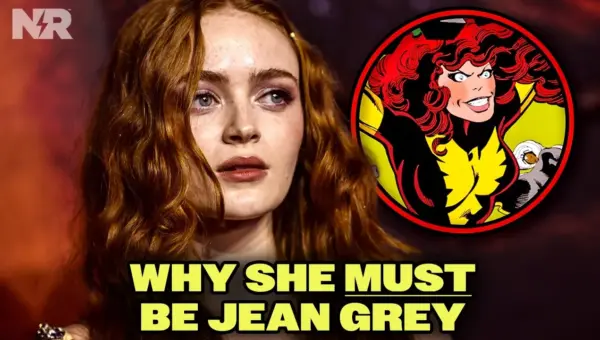
Sadie Sink’s Jean Grey Arrives: How Marvel Rewrites Mutant History
Sadie Sink's rumored casting as Jean Grey in 'Spider-Man: Brand New Day' ignites speculation about mutant origins in the MCU. Explore theories on how Marvel could integrate Jean and the Phoenix Force before 'Secret Wars.'
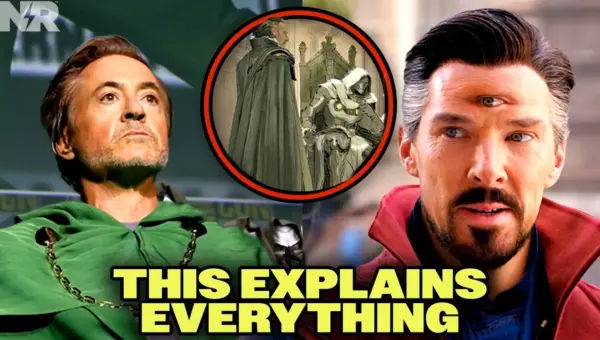
Doctor Strange Becomes Doom’s Right-Hand Man in Avengers Doomsday!
New theories suggest Benedict Cumberbatch's Doctor Strange will serve as Dr. Doom's right-hand man in Avengers Doomsday. Drawing from Jonathan Hickman's Secret Wars comics, this role mirrors Strange's comic counterpart as the "Sheriff of Agamoto" to God Emperor Doom. The film's ending from Multiverse of Madness, featuring Strange's third eye, may foreshadow this dark allegiance.


Avengers Doomsday: Steve’s House Mystery Unlocked!
The latest Avengers Doomsday teaser features Steve Rogers' iconic home, but a closer look reveals it's not the same house from Endgame. This subtle change hints at major plot points involving timeline manipulation and Dr. Doom's schemes.