Trump to Dictate Iran War’s End, Defense Secretary Says
Defense Secretary Pete Hegseth indicated that President Trump will ultimately decide the end of the ongoing conflict with Iran. As the war enters its 11th day with intensified strikes, questions about U.S. objectives and duration persist.

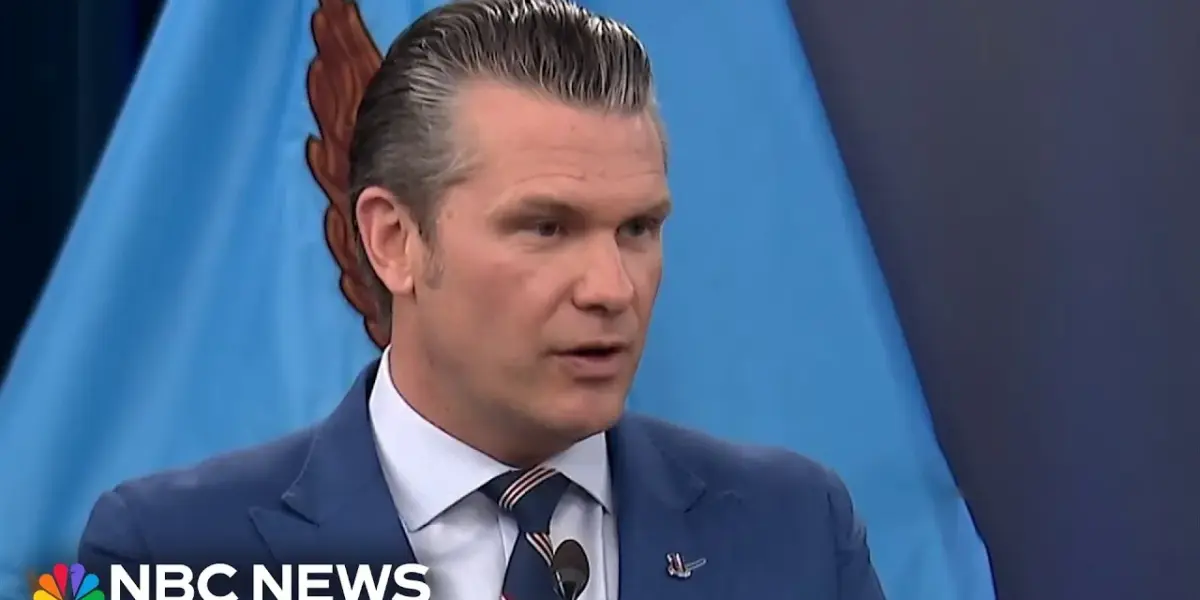
Pentagon Signals Intensified Strikes as Iran Conflict Enters 11th Day
The conflict with Iran has reached its 11th day, with the Pentagon signaling that today will mark the most intense period of strikes thus far. As the United States escalates its military operations, critical questions surrounding the duration and objectives of the war remain unanswered, leaving the American public seeking clarity amidst rising domestic concerns, including the rapid increase in gas prices.
Uncertainty Over War’s Timeline and Objectives
Defense Secretary Pete Hegseth addressed the ongoing military action, stating that the U.S. is in a strong position and is providing President Trump with maximum options. However, when pressed on the timeline for the conflict’s conclusion, Hegseth offered little definitive information. He emphasized that neither he nor the administration has specified how long the war will last, a statement that has done little to quell public anxiety or political scrutiny.
“America’s will is endless,” Hegseth stated, repeating the sentiment multiple times. Ultimately, it’s up to President Trump to decide, passing the buck there to the Commander in Chief, essentially saying it’s not his job as Secretary of Defense to decide how long this will go.
This assertion places the ultimate decision-making power squarely on President Trump’s shoulders, shifting the responsibility for defining the war’s end from the Defense Secretary to the President. While Hegseth insisted the conflict would not be endless or protracted, and specifically alluded that it would not devolve into a situation akin to the Iraq War, which spanned over a decade, concrete details regarding the U.S. strategy or exit criteria are conspicuously absent. The public is left to wonder whether the conflict will last days or weeks, and at what point U.S. objectives will be deemed met, prompting a withdrawal.
Beyond Stockpiles: Eliminating Iran’s Nuclear Capability
Secretary Hegseth also articulated a clear objective beyond merely disrupting Iran’s current nuclear weapon stockpiles. The U.S. aims to dismantle Iran’s capability to produce nuclear weapons altogether. This ambitious goal raises further questions about the methods the U.S. intends to employ to compel Iran to abandon its nuclear ambitions and the potential ramifications of such an undertaking.
The administration’s stance suggests a commitment to preventing Iran from operating under a “nuclear blackmail scenario.” However, the specific strategies to achieve this objective, and how they will be implemented without leading to prolonged engagement or unintended escalation, remain subjects of intense speculation and concern. The lack of specific details leaves a significant gap in public understanding of the administration’s approach to a complex geopolitical challenge.
Political Ramifications and Public Scrutiny
The ongoing conflict and the ambiguity surrounding its resolution are increasingly becoming a focal point for political discourse. With rising gas prices directly impacting American households, the administration faces mounting pressure to provide transparency regarding the U.S. objectives, strategy, and the expected duration of military engagement in Iran. The mixed signals from the administration—simultaneously suggesting the end is near while also indicating the conflict is just beginning—contribute to a sense of uncertainty and fuel public skepticism.
As the war progresses into its second week, the Trump administration must navigate the delicate balance between projecting strength and providing the American people with a clear understanding of the stakes and the path forward. The Defense Secretary’s comments, while aiming to reassure, have inadvertently highlighted the significant number of questions that still need to be answered regarding the U.S. involvement in Iran.
Looking Ahead: The Path to Resolution
The coming days will be critical in observing how the Trump administration addresses the growing demand for clarity on the Iran conflict. The intensity of strikes today may offer some insight into the immediate trajectory of the war. However, the ultimate determinant of its conclusion, as stated by Secretary Hegseth, rests with President Trump. The public and policymakers will be closely watching for any further statements or actions that shed light on the U.S. strategy, the criteria for success, and the timeline for bringing the conflict to a responsible end, particularly in light of domestic economic pressures.
Source: Hegseth indicates Trump will decide when Iran war is complete (YouTube)

Related Articles


Iran Faces ‘Most Intense Day of Strikes’ as US War Strategy Debated
The United States declared today the 'most intense day of strikes' inside Iran, targeting missile launchers amid escalating regional conflict. While U.S. officials report reduced Iranian launches, the war has led to significant hospitalizations in Israel and a humanitarian crisis in Lebanon. Diplomatic channels appear closed, and economic concerns, particularly rising oil prices, are mounting.

Senator Coons Slams Trump’s Iran War Strategy, Consults Putin More Than Congress
Senator Chris Coons has sharply criticized President Trump's handling of the Iran conflict, citing a lack of planning and alarming consultation patterns with Russia. Coons demands transparency on war costs and strategy before approving further funding.


Thune Rejects Trump’s Filibuster Demand for Voting Bill
Senate Majority Leader John Thune has rejected former President Trump's demand to eliminate the filibuster for the "Save America Act." Thune cited risks and political complexities, prioritizing institutional preservation and caucus protection over Trump's push for voting law changes. The segment also introduced Politico's new series, "On the Road with Jonathan Martin," featuring discussions on 2028 Republican contenders.