Ukrainian Prison Holds ‘Pro-Russian’ Women Convicted of Treason
A Ukrainian prison holds women convicted of treason and collaboration with Russian forces, revealing complex motivations rooted in nostalgia for the Soviet era and a rejection of Ukraine's European path. One inmate allegedly provided coordinates for schools and kindergartens that were later targeted by Russian strikes.

Inside Ukraine’s Prison for Collaborators: Allegiance Shifts in Wartime
In a stark illustration of the deep divisions and complex realities of the ongoing conflict, a Ukrainian prison colony is holding women convicted of treason and collaboration with Russian forces. These individuals, by their own admission, chose to cooperate with the aggressor nation that invaded their homeland. The facility, which houses inmates serving sentences for some of the most severe offenses under Ukrainian law, offers a chilling glimpse into the lives of those who have sided with Russia.
Allegations of Espionage and Targeting Civilian Infrastructure
Among the incarcerated is Olena Chuyeva, a resident of the Donetsk region. Ukrainian authorities allege that Chuyeva did more than just pass information about the movement of the Ukrainian army; she is accused of providing Russian special services with the precise coordinates of local kindergartens and schools. Tragically, one of these educational institutions was struck by Russian forces in August 2022, a devastating event that underscores the alleged severity of her actions.
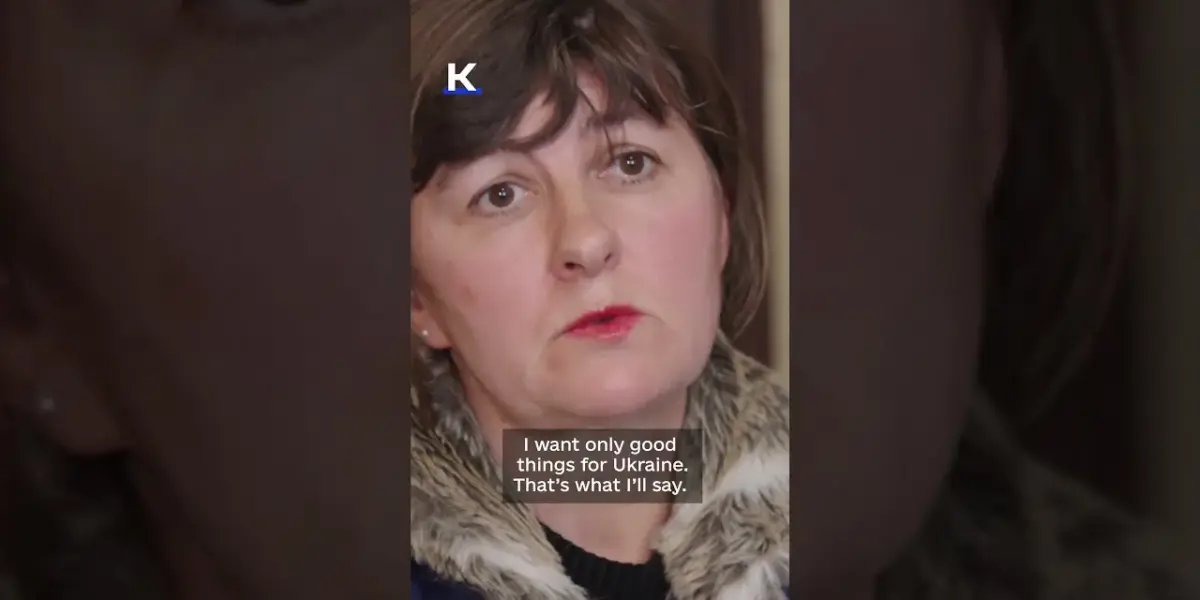
“Generally, I am on the pro-Russian side. I do not think I have betrayed Ukraine. I want good for Ukraine. That’s how I’ll put it.”
Chuyeva’s own words, captured in a moment of reflection, reveal a complex and troubling perspective. “Generally, I am on the pro-Russian side,” she stated. “I do not think I have betrayed Ukraine. I want good for Ukraine. That’s how I’ll put it.” This declaration highlights a profound disconnect from the national narrative of resistance and sovereignty that defines much of Ukraine.
Nostalgia for the Soviet Era and Shifting Identity
Chuyeva’s sentiment extends beyond a simple political alignment; it appears rooted in a deep-seated nostalgia for a past era and a rejection of Ukraine’s current European trajectory. “I used to love Ukraine and I still do, I will say, I grew up in it, but it is not the same now, you understand?” she mused. “Ukraine’s European direction, you understand? In Europe, the mentality is completely different. But I was born in the Soviet Union. The mentality is the same as in Russia, you understand? The same faith, the Gregorian calendar.”
Her explanation delves into a perceived cultural and ideological kinship with Russia, contrasting it with what she views as a divergent European identity. The mention of specific Soviet-era holidays like March 8th (International Women’s Day), February 23rd (Defender of the Fatherland Day), and May 9th (Victory Day) underscores this longing for a shared past and a familiar set of traditions. “These holidays, March 8, February 23, May 9, Victory Day, all of them. Well, I just, how much time do I have left, I just want to live in such a world,” she expressed, indicating a desire to spend her remaining years in an environment that reflects these bygone values.
The Broader Context of Collaboration in Wartime
The cases of women like Olena Chuyeva are part of a larger, disturbing phenomenon of collaboration that has emerged in territories occupied or contested during the full-scale invasion. While the majority of Ukrainians have rallied behind their nation’s defense, a minority has actively aided Russian forces, often motivated by a mix of ideological sympathy, personal gain, or coercion. Ukrainian law, like that of many nations, strictly criminalizes treason and collaboration, recognizing the existential threat such actions pose to national security and sovereignty.
The legal processes that lead to convictions for these offenses are often complex, involving investigations into the nature and extent of the assistance provided to the enemy. The sentencing reflects the gravity of the crimes, with treason and collaboration carrying significant prison terms. This particular prison colony, therefore, serves as a holding place for individuals deemed to have fundamentally undermined Ukraine’s defense and territorial integrity.
Challenges of Defining and Prosecuting Collaboration
Defining and prosecuting collaboration presents unique challenges, particularly in regions with a history of complex political and cultural ties to Russia. The line between genuine ideological support for Russia and actions taken under duress or for personal survival can sometimes be blurred, although the actions described in Chuyeva’s case—targeting civilian infrastructure—leave little room for ambiguity. Ukrainian authorities are tasked with meticulously gathering evidence to distinguish between different levels of complicity.
The existence of individuals who openly identify as “pro-Russian” within Ukraine, even after years of conflict and full-scale invasion, points to the enduring impact of historical narratives and propaganda. The war has not only reshaped geopolitical alliances but has also, in some instances, solidified or exacerbated pre-existing ideological divides within Ukrainian society.
Looking Ahead: Justice and Reconciliation
As the war continues, the fate of these convicted collaborators remains a sensitive issue. The Ukrainian justice system is working to hold individuals accountable for their actions, while the broader question of national reconciliation in a fractured society looms large. The stories emerging from this prison colony serve as a stark reminder of the human cost of conflict and the deep-seated beliefs that can drive individuals to betray their country. Future developments will likely focus on the ongoing legal proceedings against alleged collaborators and the long-term implications for Ukraine’s social fabric and national identity.
Source: 'I am pro-Russian' — the Ukrainian prison where women collaborators wait for Russia (YouTube)

Related Articles

Ukraine Offers Drone Defense Expertise Amid Global Escalation
Ukraine is now offering its hard-won expertise in countering drone attacks to nations facing similar threats, a significant shift amidst global escalations. As the Kremlin issues dire warnings, European leaders reaffirm unwavering support for Kyiv, while economic and geopolitical landscapes are reshaped by regional conflicts and shifting energy dependencies.

Trump’s Iran Stance Sparks Global Alarm Amid Russia Ties
President Trump's demand for Iran's 'unconditional surrender' has ignited global concern, particularly as reports suggest Russia is providing intelligence to Tehran. The escalating tensions highlight diverging international perspectives and raise questions about U.S. strategic goals and long-term planning.

Russia Admits Support for Iran Amid Regional Tensions
Russia has openly admitted its supportive stance towards Iran, stating it would consider providing assistance if requested. This announcement comes amidst escalating regional tensions, including a deadly strike in Kharkiv, Ukraine, and an Iranian drone attack in Bahrain.