Ticketmaster Settlement: Justice Served or Slap on Wrist?
Live Nation Ticketmaster reaches a settlement with the DOJ in its antitrust trial, agreeing to pay $280 million and sell some venues. However, 27 states continue their fight, questioning if the deal goes far enough to address the company's alleged monopoly.

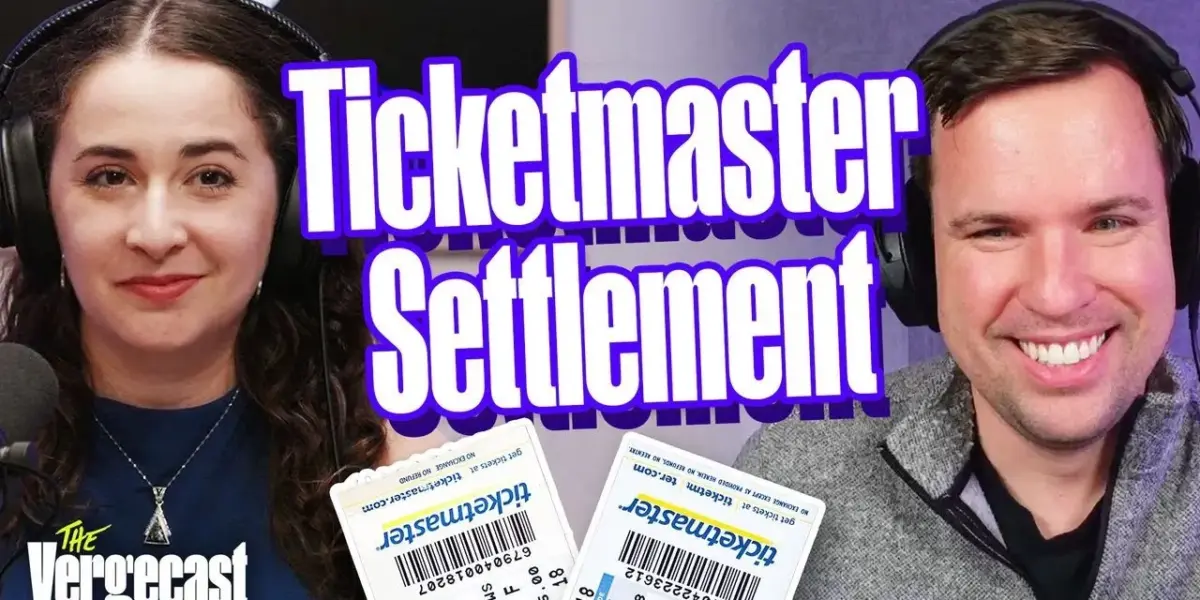
Ticketmaster Dodges Breakup in Antitrust Settlement, But Is It Enough?
In a surprising turn of events that sent ripples through the legal and entertainment worlds, Live Nation Entertainment, the parent company of Ticketmaster, has reached a settlement with the U.S. Department of Justice (DOJ) just days into its highly anticipated antitrust trial. While the DOJ’s initial goal was to dismantle the ticketing behemoth, the proposed agreement appears to be a far cry from a complete breakup, leaving many, including consumer advocates and state attorneys general, questioning whether justice has truly been served.
The Allegations: A “Flywheel” of Monopoly Power
The trial, which commenced with significant fanfare, centered on allegations that Live Nation Ticketmaster wielded its immense power to stifle competition. The core of the government’s case argued that the company operates a predatory “flywheel” system, where its control over major artists, prominent concert venues (especially U.S. amphitheaters), and its own ticketing platform creates an insurmountable barrier for rivals. Essentially, the accusation was that Live Nation Ticketmaster leverages its dominance in one area to force concessions and exclusivity in others.
For instance, venues seeking to book popular artists, a crucial revenue stream, were allegedly pressured into exclusive deals with Ticketmaster. Similarly, Live Nation’s control over a vast majority of major amphitheaters reportedly came with conditions requiring the use of Live Nation promoters and marketing services. This alleged strategy effectively locked out competitors like SeatGeek, which testified about the difficulties of gaining market access and even offering “retaliation insurance” to venues that faced repercussions for exploring alternative ticketing solutions.
The government’s case presented testimony from key figures, including the former CEO of the company that operated the Barclays Center in New York, who detailed alleged “mafia-style threats” from Live Nation Ticketmaster to withdraw artists if the venue pursued a different ticketing provider. This narrative painted a picture of a company using its market power to maintain an iron grip on the live event ecosystem.
The Settlement: A $280 Million Deal with Caveats
As the trial progressed, a settlement emerged, seemingly catching many by surprise, including the presiding judge and even some members of the DOJ legal team. The terms, as reported, include:
- A payment of up to $280 million in damages, contingent on all states joining the settlement.
- Live Nation agreeing to sell off a number of its owned amphitheaters.
- Allowing other ticketing companies to service venues currently under exclusive contract with Ticketmaster.
- Implementing a cap on certain ticket fees.
While these stipulations aim to address some of the government’s concerns, critics argue they fall far short of breaking up the company or fundamentally altering its market dominance. The $280 million in damages, while substantial on paper, is a relatively small figure for a company of Live Nation’s size. The opening up of certain platform access to competitors, while a step, is reminiscent of past antitrust remedies that have been criticized for being ineffective in practice.
Did Live Nation Get Off Easy?
The question on many minds is whether Live Nation Ticketmaster secured a favorable deal. Given the company’s alleged monopolistic practices and the potential for a jury verdict forcing a structural breakup, the settlement might be viewed as a way to avoid a more severe outcome. Reports suggest that settlement discussions were ongoing even before the trial, indicating that Live Nation was actively seeking a resolution that would mitigate risk.
However, the DOJ’s initial objective was to break up the company, a goal that appears unmet by the current settlement. The DOJ’s antitrust division has also faced internal upheaval, which some speculate may have influenced the decision to settle rather than risk an uncertain trial outcome. The departure of key figures within the division shortly before the trial added another layer of intrigue to the proceedings.
The States’ Pushback and What Happens Next
Crucially, the DOJ’s settlement does not encompass all parties involved in the lawsuit. Twenty-seven states and the District of Columbia are still pursuing their own case against Live Nation Ticketmaster, seeking a more comprehensive remedy. These states have indicated they believe the DOJ’s settlement is insufficient and are pushing forward with their litigation.
The situation has created a complex legal dynamic. The trial has been paused, with the judge set to hear from Live Nation CEO Michael Rapino and the DOJ’s antitrust chief to understand the details of the agreement. The states’ legal teams have filed for a mistrial, citing concerns about jury prejudice and the logistical challenges of taking over the case from the DOJ. This could lead to further delays or even a new trial.
The outcome for these remaining states is uncertain. They may seek to negotiate a separate, more robust settlement with Live Nation, or they could attempt to continue the trial, aiming for a verdict that forces a more significant structural change. The ability of these states to retain the DOJ’s expert witnesses and navigate the legal complexities will be critical.
Who Should Care?
This settlement has significant implications for consumers, artists, and the broader live entertainment industry. For fans who have struggled with exorbitant fees, inaccessible tickets, and the general frustration of the Ticketmaster experience, the hope was for a fundamental change. While this settlement may bring some minor improvements, it’s unlikely to address the core issues that plague ticket purchasing.
Artists and venues also have a vested interest in a competitive market. The alleged practices by Live Nation Ticketmaster limit choices and potentially stifle innovation. The ongoing litigation by the states represents a continued fight for a more open and fair marketplace.
Ultimately, the Ticketmaster antitrust saga is far from over. While the DOJ has reached an agreement, the remaining states are poised to continue the fight, potentially leading to a more meaningful reckoning for the ticketing giant. Whether this leads to a true breakup or further incremental changes remains to be seen, but the battle for control of the live event industry is far from settled.
Source: The twist in the Ticketmaster antitrust fight | The Vergecast (YouTube)

Related Articles


Raskin Accuses Justice Dept. of Epstein Document Cover-Up
Congressman Jamie Raskin has accused the Justice Department of a "profound, systematic, enduring cover-up" regarding the release of Jeffrey Epstein-related documents. He criticizes evasive tactics and demands full transparency, calling the situation "not a game of hide-and-seek."

Inmate Claims Guards Discussed Epstein Death Cover-Up
A newly surfaced document from the DOJ's Epstein database includes an inmate's claim of overhearing prison guards discussing a cover-up of Jeffrey Epstein's death. The inmate's statement, along with financial irregularities of a guard on duty, raises further questions about the official suicide ruling.

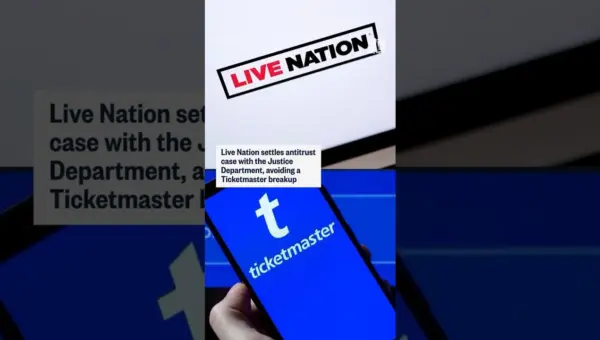
Live Nation Avoids Breakup in DOJ Antitrust Deal
Live Nation has reached a settlement with the Department of Justice, avoiding a forced breakup of Ticketmaster. The deal aims to increase competition and lower prices by granting rivals access to ticketing systems and limiting venue exclusivity.