Graham’s Iran War Bonanza: A Billion-Dollar Betrayal
Senator Lindsey Graham's defense of a billion-dollar-a-day assault on Iran clashes with the economic struggles of everyday Americans. This analysis questions the rationale for such spending and calls for greater accountability from war advocates.

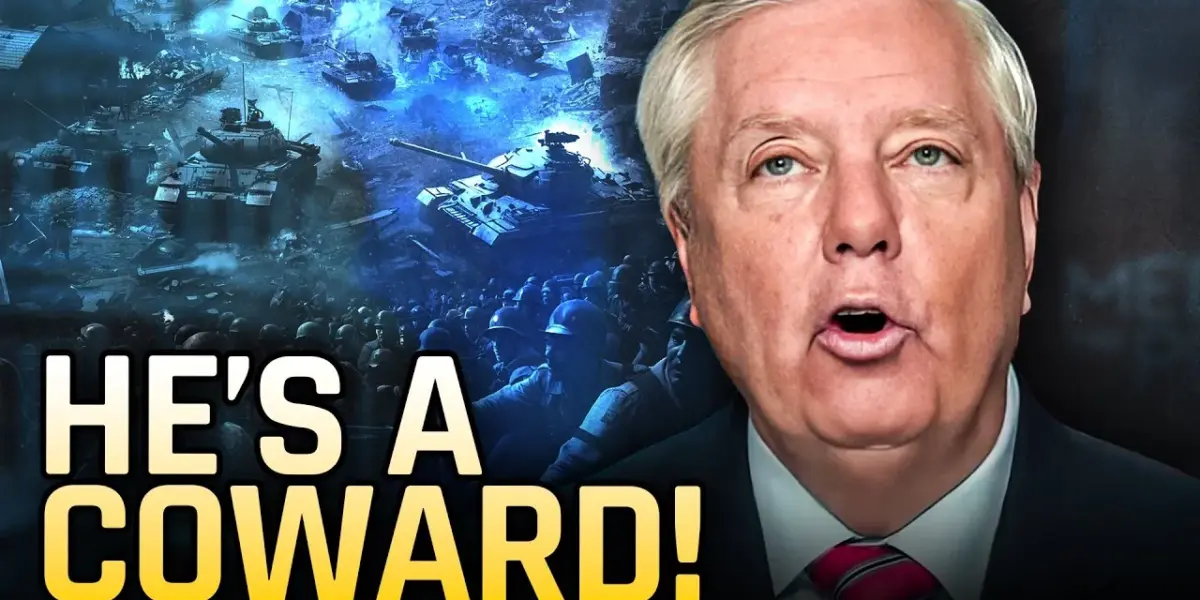
Graham’s Iran War Bonanza: A Billion-Dollar Betrayal
Senator Lindsey Graham, a vocal proponent of escalating conflict, has become a prominent voice advocating for Donald Trump’s aggressive stance on Iran. In recent media appearances, Graham has championed the costly military actions, even as the economic realities for many Americans paint a starkly different picture. His assertion that the “best money the United States had ever spent” was the reported $1 billion per day price tag for these operations stands in sharp contrast to the struggles faced by ordinary citizens grappling with inflation, soaring gasoline prices, and unaffordable healthcare.
The Disconnect Between War Chests and Kitchen Tables
The senator’s pronouncements, particularly his exchange with Maria Bartiromo on Fox News, highlight a significant disconnect. When pressed about the staggering daily cost of military operations, the proposed $1.5 trillion defense budget, and an additional $50 billion requested for strikes, Graham’s response was unequivocal: “Best money ever spent.” He framed the expenditure as a necessary investment to “take down a religious Nazi regime who’s trying to build a nuclear weapon to deliver to America,” painting a picture of a world being “reset” by Donald Trump and celebrating the perceived strength of the American military.
This perspective, however, rings hollow for a populace increasingly burdened by economic insecurity. The sentiment expressed is that while the government is willing to expend vast sums on military ventures, it simultaneously claims an inability to provide essential aid or relief to its own citizens. The notion of spending a billion dollars a day while people struggle to afford basic necessities like food and healthcare is, for many, an unacceptable paradox.
Challenging the War Hawk Narrative
The transcript directly challenges Graham’s hawkish rhetoric, suggesting a more personal and perhaps performative motivation behind his strong advocacy for war. The author proposes that Graham, rather than espousing bellicose policies from afar, should personally connect with those most affected by economic hardship. The image conjured is of Graham visiting struggling farmers in his home state of South Carolina, facing individuals with foreclosure notices and overdue bills, and explaining to them why a billion dollars a day on military action is “the best money we’ve ever spent.” This direct confrontation with the human cost of economic policy aims to expose the disconnect between policy pronouncements and lived realities.
Questioning the Rationale for Conflict
Furthermore, the transcript casts doubt on the very premise used to justify the escalation against Iran. It argues that Iran was not on the verge of developing a nuclear weapon capable of reaching the United States. The assertion is made that Iran’s uranium enrichment levels, at most 60%, fall short of the 90% threshold required for weapons-grade material, a process that has taken decades. In contrast, the United States is noted to possess thousands of deployable nuclear weapons. This factual counterpoint suggests that the threat narrative, often employed to garner public support for military intervention, may be exaggerated or fabricated.
A Call for Personal Accountability
The author extends the challenge to Graham’s own military background. While acknowledging his service as a JAG officer in Europe during the 1980s, the transcript points out his lack of combat experience. The provocative suggestion is made: if Graham is so fervent about engaging in military action, he should volunteer for the front lines. The idea is to place him, and others who advocate for war without personal risk, directly into the conflict zone, to serve as the “pawns in Donald Trump’s dementia war.” This call for personal accountability is framed as a test of sincerity, suggesting that those who champion war should be willing to bear its direct consequences.
The Specter of Overcompensation
A recurring theme in the critique of Graham’s stance is the accusation of overcompensation. The transcript suggests that Graham’s fervent advocacy for military action, his eagerness to bomb, and his perceived need to prove his masculinity through war are indicators of deeper insecurities. This is presented as an “open secret” in Washington D.C. and perhaps even nationally, implying that his public persona is a deliberate performance to mask underlying issues. The argument posits that if Graham is unwilling to confront these personal issues, he should at least demonstrate his commitment to his hawkish policies by participating in the conflicts he so readily promotes.
The Broader Implications of Digital Vulnerability
The transcript then pivots to a discussion about personal digital security, using the concept of identity theft, fraud, and hacking as a parallel to the vulnerability of individuals in the face of unseen threats. The promotion of Aura, an all-in-one digital security service, serves as a practical example of how individuals can protect themselves from exploitation. The analogy drawn is that just as one locks their front door but leaves the back door open, neglecting comprehensive digital security leaves one exposed. Features like dark web monitoring, real-time fraud alerts, VPN, antivirus, and identity theft insurance are highlighted as essential layers of protection in an increasingly interconnected and vulnerable digital landscape. This section, while seemingly tangential, underscores a broader theme of vulnerability – whether it be economic, personal, or digital – and the need for proactive defense against potential threats.
Why This Matters
This analysis is critical because it questions the rhetoric and motivations behind costly foreign policy decisions, particularly when those decisions are made by individuals who may not share the economic burdens of the populace. It highlights the importance of scrutinizing the justifications for war, especially when they appear to be based on potentially exaggerated threats. The piece also touches upon the ethical considerations of advocating for military conflict while remaining personally removed from its dangers. Furthermore, the inclusion of digital security as a parallel concern emphasizes the multifaceted nature of modern vulnerabilities and the need for vigilance across various aspects of life.
Trends and Future Outlook
The trend of increased military spending coupled with domestic economic challenges is likely to persist. As geopolitical tensions fluctuate, so too will the debates surrounding defense budgets and the necessity of intervention. The transcript reflects a growing public skepticism towards costly foreign entanglements, particularly when juxtaposed with unmet domestic needs. The future outlook suggests a continued tension between national security concerns, often framed in broad and sometimes alarmist terms, and the immediate economic realities faced by citizens. The effectiveness of political figures in justifying immense expenditures will increasingly depend on their ability to bridge this gap and demonstrate tangible benefits or unavoidable necessities. The discussion also points to a future where personal security, both physical and digital, will remain a paramount concern, requiring individuals and policymakers to address a wide array of threats.
Historical Context
The arguments presented echo historical debates surrounding military intervention and its economic consequences. Throughout history, nations have grappled with the decision to engage in conflict, weighing perceived threats against the immense financial and human costs. The rhetoric of protecting national interests and confronting adversarial regimes is a recurring theme. However, periods of economic hardship often amplify scrutiny of government spending on defense, leading to public questioning of priorities. The specific reference to a “religious Nazi regime” evokes historical parallels, though the application to contemporary Iran is a point of contention and a subject of ongoing geopolitical analysis. The concept of politicians advocating for war from a position of safety is also a historical constant, often drawing criticism from those who believe leaders should share in the risks they impose on others.
Source: Send That Coward Lindsey Graham To The Frontlines In Iran (YouTube)

Related Articles


Ukraine Offers Drone Defense Expertise Amid Global Escalation
Ukraine is now offering its hard-won expertise in countering drone attacks to nations facing similar threats, a significant shift amidst global escalations. As the Kremlin issues dire warnings, European leaders reaffirm unwavering support for Kyiv, while economic and geopolitical landscapes are reshaped by regional conflicts and shifting energy dependencies.
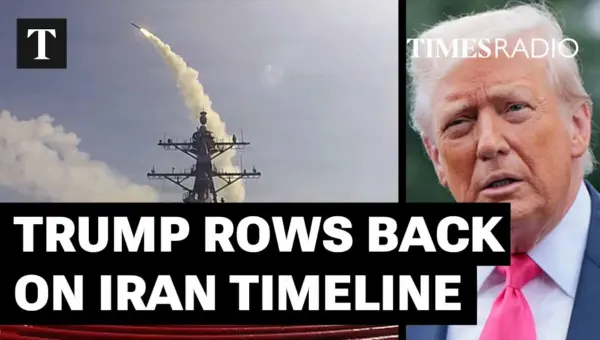
Trump’s Confident Iran Stance Faces Scrutiny Over Shifting Details
President Trump has projected "over the top confidence" regarding US operations in Iran, claiming decisive victories and rapid progress. However, reporters note shifting timelines, ambiguous threats to civilian infrastructure, and a lack of publicly shared intelligence, raising concerns about clarity and substantiation.

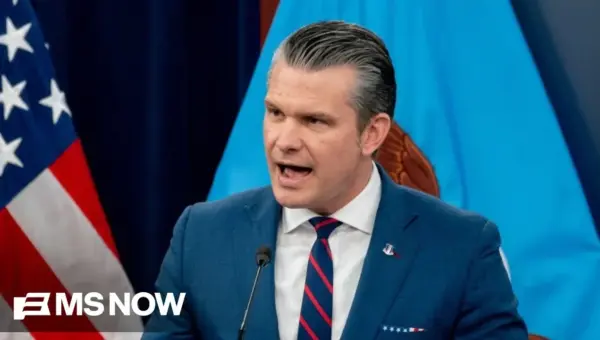
US War Aims Unclear Amidst Shifting Explanations and Russian Intel Leaks
New reports reveal Russia may be providing Iran with intelligence to target U.S. forces, deepening concerns over shifting explanations for the ongoing conflict. While two U.S. war objectives are reportedly progressing, the ultimate goal of permanently denying Iran nuclear weapons remains uncertain, fueling public skepticism.