Supreme Court Overturns Trump Tariffs, New Duties Emerge
The Supreme Court has overturned Trump-era tariffs, creating uncertainty over billions in collected revenue. Simultaneously, new global tariffs have been imposed, adding to market volatility and raising questions about the future of international trade and economic policy.

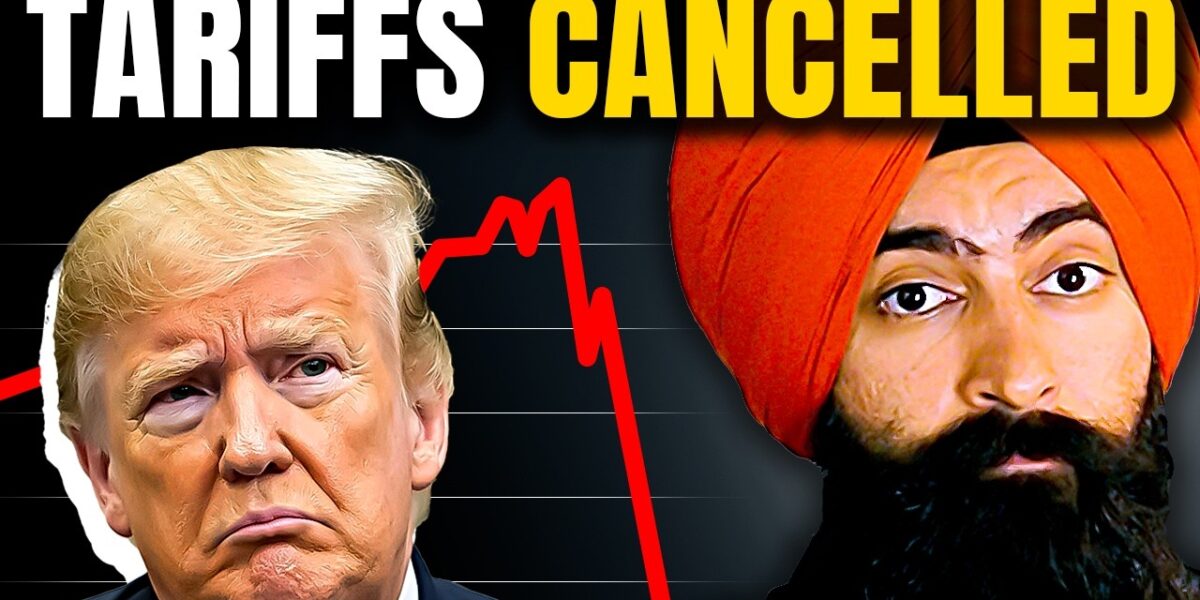
Supreme Court Nullifies Trump Tariffs, Sparking Economic Uncertainty
In a significant legal and economic development, the U.S. Supreme Court has overturned tariffs previously enacted by the Trump administration. This decision has sent ripples through financial markets, raising questions about the fate of billions in collected revenue and the future of international trade policy. Former President Trump has warned that a requirement to repay this tariff revenue could trigger a severe economic downturn, comparing the potential impact to the Great Depression of 1929.
The Legal Basis of the Dispute
The tariffs in question were implemented in 2025 under the International Emergency Economic Powers Act (IEEPA). This act grants the President broad authority to impose trade restrictions during a declared national emergency. In this instance, President Trump cited the influx of fentanyl and trade deficits as the national emergencies justifying the tariffs.
However, the Supreme Court ruled that the power to levy taxes, including tariffs, rests solely with Congress. The Court’s decision asserts that the President overstepped his executive authority by imposing these duties without congressional approval. This legal precedent clarifies that such fiscal measures must originate from the legislative branch.
Uncertainty Over $150-$200 Billion in Tariff Revenue
A major point of contention is the approximately $150 billion to $200 billion in tariff revenue collected by the U.S. government over the past year. The Supreme Court’s ruling leaves open the critical question of whether this money will be returned to businesses that paid the tariffs, to consumers who bore the cost through higher prices, or if the government will retain the funds. This issue is expected to be the subject of further legal battles, with potential resolution taking years.
If the government is compelled to refund this revenue, it could create a significant fiscal gap. This shortfall might necessitate measures such as increased taxes, further government borrowing, or monetary expansion, all of which could have broader economic repercussions.
Tariffs Remain, New Duties Imposed
Despite the Supreme Court’s ruling on IEEPA-based tariffs, trade duties have not been entirely eliminated. Existing tariffs on goods such as steel, aluminum, automobiles, and products from China, which were not imposed under IEEPA, remain in effect. These were enacted under different legal authorities.
Adding another layer of complexity, President Trump swiftly announced the imposition of a new 10% global tariff, later revised to a 15% global tariff effective February 24, 2026. This new measure was enacted not under IEEPA, but under Section 122, which provides broader presidential authority for imposing tariffs related to national security or economic policy. The legality and scope of these new tariffs are also likely to face legal challenges.
Market Reaction and Investor Sentiment
The initial news of the Supreme Court’s decision to cancel the Trump tariffs led to a positive reaction in the stock market. Investors interpreted this as a reduction in costs for businesses, potentially leading to improved profitability, increased sales volumes, or even direct financial rebates. The prospect of consumers receiving checks, thereby boosting spending, also contributed to market optimism.
However, the subsequent announcement of new global tariffs has reintroduced a significant degree of uncertainty. Markets generally dislike uncertainty, as it makes it difficult for investors to forecast corporate earnings and economic stability. This can lead to increased market volatility.
Understanding the Mechanics of Tariffs
Tariffs are essentially taxes imposed on imported goods. When a business imports a product, it must pay this additional fee to the government. This increased cost can be absorbed by the business, reducing profit margins; passed on to consumers through higher prices; or a combination of both. The decision on how to manage this cost depends on a company’s financial health, market position, and competitive landscape.
Sectoral and Broader Economic Implications
The ongoing tariff disputes and the potential for new trade barriers have significant implications for various sectors, particularly those heavily reliant on international trade and supply chains. Industries such as manufacturing, automotive, and technology could face altered cost structures and competitive dynamics.
The Federal Reserve and Monetary Policy Shift
Beyond trade policy, a potential shift in U.S. monetary policy is on the horizon. The term of Federal Reserve Chair Jerome Powell is set to expire in May. President Trump has appointed Kevin Walsh as his preferred candidate to lead the Federal Reserve. A change in Fed leadership could lead to a different approach to interest rates and monetary policy, particularly if the new chair aligns more closely with the administration’s desire for lower interest rates. This is particularly significant given the dollar’s status as the world’s reserve currency.
The Geopolitical Dimension: U.S. vs. China
A key driver behind the Trump administration’s aggressive stance on tariffs, particularly towards China, appears to be a strategic effort to counter China’s growing economic influence. With China’s economy expanding at a faster rate than the U.S., there are concerns about China potentially surpassing the U.S. as the world’s largest economy and displacing the dollar as the global reserve currency. Tariffs are seen as a tool to incentivize businesses to move operations out of China, thereby weakening its economy and bolstering domestic manufacturing.
What Investors Should Know
The current environment is characterized by substantial uncertainty regarding both the resolution of past tariff revenue and the implementation of new trade policies. Investors should be prepared for continued market volatility as these issues unfold.
- Fiscal Uncertainty: The government’s decision on the $150-$200 billion in collected tariff revenue will have significant fiscal implications. A refund could boost consumer spending but strain government finances, potentially leading to higher taxes or inflation.
- Trade Policy Volatility: The imposition of new global tariffs and potential legal challenges create an unpredictable trade landscape. This can impact corporate costs, supply chains, and international business strategies.
- Monetary Policy Outlook: A potential change in Federal Reserve leadership could signal shifts in interest rate policy, affecting borrowing costs, investment strategies, and overall economic growth.
- Geopolitical Trade Tensions: The ongoing economic competition with China remains a significant factor influencing U.S. trade policy and global economic dynamics.
The coming weeks and months will be crucial in clarifying the path forward for U.S. trade policy and its broader economic consequences. Investors are advised to monitor these developments closely as they navigate an increasingly complex market environment.
Source: Trump's Tariffs Were Just Cancelled – How To Prepare For What's Coming (YouTube)

Related Articles


5 Signs You’re Winning With Money
Achieving financial success involves more than just a high income. Key indicators include having monthly financial margin, maintaining an emergency fund, investing consistently, controlling lifestyle spending, and experiencing financial peace of mind. A solid financial plan ties these elements together.

Supreme Court’s Legitimacy Tested: A Look Inside
The Supreme Court is increasingly seen as the "last branch standing" to resolve national disputes, a role that strains its legitimacy. Author Sarah Isker's new book, 'Last Branch Standing,' examines the court's internal dynamics and its complex relationship with public opinion and other branches of government.


Trump’s Trade Wars Fueled Inflation, Fed Report Claims
A new Federal Reserve report links Donald Trump's trade wars to increased inflation since January 2025. Economists claim prices would have fallen to pre-pandemic levels without these tariffs. This finding highlights the significant consumer cost of protectionist trade policies.