Trump’s Conflicting War Messages Spark Confusion, Market Swings
President Trump's conflicting statements on the duration and success of the Iran conflict have generated confusion and market volatility. Amidst reports of a tragic strike on a school and uncertainty over war aims, the lack of a clear negotiating partner on the Iranian side presents a significant challenge for de-escalation.

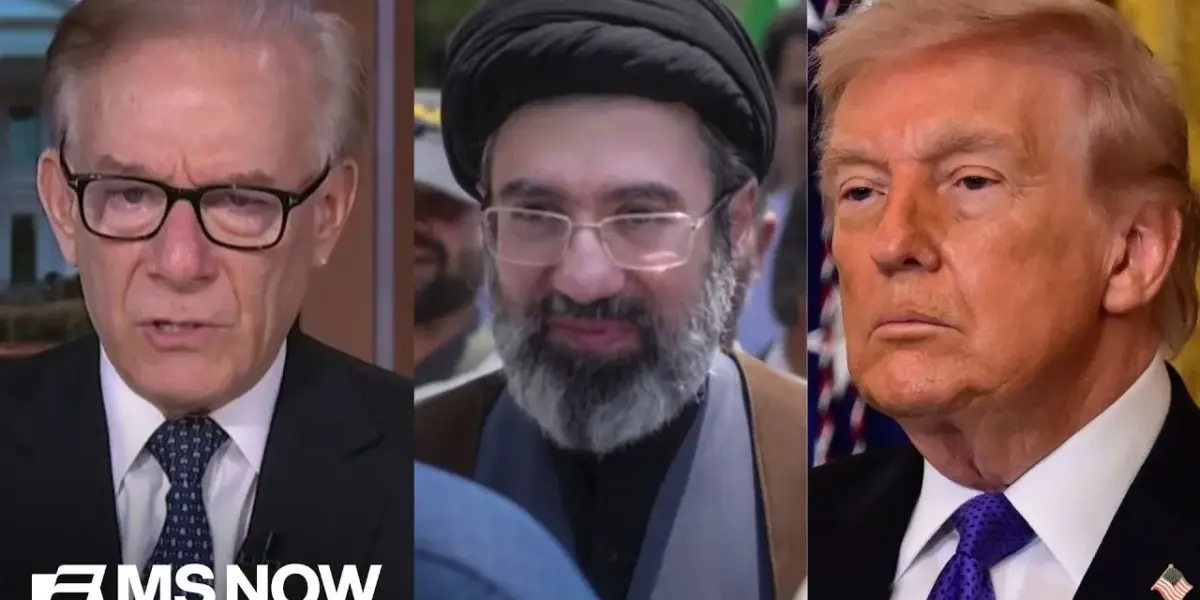
Trump Offers Contradictory Signals on Iran War Timeline
In a series of statements that have left observers and markets in a state of confusion, President Donald Trump has presented a fractured narrative regarding the ongoing conflict with Iran. While asserting the war could end “very soon” and touting the military’s success in destroying significant Iranian capabilities, conflicting messages from the administration and the President himself have fueled uncertainty about the conflict’s aims and duration. This ambiguity comes amidst volatile oil prices and a tragic incident involving a strike on an elementary school.
Mixed Messaging on War’s End
During a news conference, President Trump declared that the war with Iran was “very complete” and that “everything they have is gone, including their leadership.” He suggested that the conflict could be over within days, stating, “I think so. Okay, and with respect- Very soon.” These pronouncements, however, stood in stark contrast to a social media post from the Department of Defense which stated, “We have only just begun to fight.” This discrepancy highlights a broader pattern of communication where the President’s statements often diverge from those of his own administration.
Journalist David Ignatius noted the President’s tendency to “telegraph exactly what he does” while simultaneously offering different answers on the war’s timeline with each public appearance. Ignatius recalled Trump repeatedly stating a couple of weeks prior that the situation would be “really interesting” and that things would conclude within a two-week timeframe. “I don’t think it’s going to be that neat,” Ignatius commented, “but at the same time, if Donald Trump is saying everything under the sun to either confuse the… That’s not much of a surprise.”
Market Volatility Linked to Presidential Statements
The conflicting messages have had a tangible impact on financial markets, particularly oil prices. On one occasion, as oil prices spiked to their highest level in four years, President Trump’s statement suggesting the war would be shortened led to an immediate market reversal. “It’s almost like he was going downhill too fast. The markets were going and he just pumped on the brakes. No, no, we’re going to end this soon,” one observer noted. The markets responded positively, with oil prices dropping significantly after the President’s reassurance.
This sensitivity underscores the global economic implications of the conflict. With the Strait of Hormuz remaining a critical chokepoint for oil and gas transport, any perceived escalation or prolonged conflict directly impacts energy supplies and prices. The potential for gasoline prices to exceed $4.00 a gallon across America, as suggested by market analysts if the war continues, presents a significant concern for consumers and the broader economy.
Tragic Strike Raises Questions of Accountability
Adding to the complexity of the situation is the deadly strike on an elementary school in Iran. Evidence strongly suggests that an American Tomahawk missile was responsible for the tragedy. “We’re supposed to be different from other countries. When we make horrible mistakes in warfare, we admit it. We need to admit it,” urged one commentator, emphasizing the need for accountability. The missile was reportedly aimed at a naval base, but a school tragically located nearby was struck, suggesting a severe intelligence or targeting error.
The incident raises profound questions about the conduct of the war and the precision of U.S. military operations. While the administration has not formally addressed the specific incident in detail, the lack of immediate admission and clear explanation has drawn criticism.
Uncertainty Over War Aims and Leadership Vacuum
Beyond the immediate timeline and market reactions, significant questions remain about the overarching objectives of the conflict. Secretary of State Marco Rubio mentioned the rationale for the war as targeting Iranian missile capabilities, notably omitting any mention of the nuclear program or regime change, objectives that have been previously discussed.
“President Trump doesn’t have anybody with whom he can settle this war yet. That’s really the problem that was created by the selection of Moshtaba Khamenei, the son of the former supreme leader, as the new leader of Iran. This is a person who’s lost his father, his wife, his son. This is a person who’s not going to be eager to make a deal with the United States. He’s, if anything, harder to line than what came before. And that’s the the dilemma.”
David Ignatius
David Ignatius highlighted a critical challenge: the absence of a clear negotiating partner on the Iranian side. The recent selection of Moshtaba Khamenei as the new leader, the son of the former supreme leader, presents a significant hurdle. Ignatius described Khamenei as someone who has suffered personal losses and is unlikely to be eager to strike a deal with the United States, potentially making him even more intractable than his predecessor.
This leadership vacuum, coupled with the ongoing military operations, creates a precarious situation. Regional leaders are reportedly concerned about the prospect of President Trump leaving behind a “wounded, angry animal” in the Gulf that could retaliate and destabilize the region further. The fear is that having initiated the conflict, the U.S. must find a way to conclude it, but the lack of a suitable negotiating counterpart complicates any potential resolution.
Looking Ahead: Await Deeper Clarity
As the conflict enters its eleventh day, the world watches for clearer signals from the White House. The coming days will be crucial in determining whether President Trump’s assertions of a swift conclusion hold true or if the war will indeed drag on. The international community, financial markets, and the American public await a cohesive strategy and a clear articulation of the war’s objectives and end game, particularly in light of the challenges posed by Iran’s new leadership and the economic ramifications of prolonged instability in the Strait of Hormuz.
Source: David Ignatius: Trump doesn’t have anybody he can settle this war with yet (YouTube)

Related Articles


Oil Surges Towards $150 Amid Escalating Iran Conflict
Escalating tensions involving Iran and the effective closure of the Strait of Hormuz are fueling fears of oil supply disruptions and potential price surges towards $150 per barrel. While some analysts predict dire consequences, options market data suggests a less extreme outlook. Geopolitical risks continue to dominate market sentiment, though some economic indicators point to underlying resilience.


Oil Spikes Threaten Crypto: Inflation, Recession Fears Mount
Rising oil prices are signaling potential short-term inflation, with effects expected in 2-3 months. This complicates central bank policy and raises fears of a recession, impacting the broader financial markets, including cryptocurrencies.


Iran Faces ‘Most Intense Day of Strikes’ as US War Strategy Debated
The United States declared today the 'most intense day of strikes' inside Iran, targeting missile launchers amid escalating regional conflict. While U.S. officials report reduced Iranian launches, the war has led to significant hospitalizations in Israel and a humanitarian crisis in Lebanon. Diplomatic channels appear closed, and economic concerns, particularly rising oil prices, are mounting.