Iran Conflict Sparks Fears of New Food Inflation Cycle
Farmers are voicing grave concerns over escalating food prices, fearing the Iran conflict could trigger a new inflationary cycle. Soaring energy and fertilizer costs are directly impacting crop planting decisions and threatening domestic food production resilience. The National Farmers Union is urging government intervention to stabilize the sector and protect consumers.

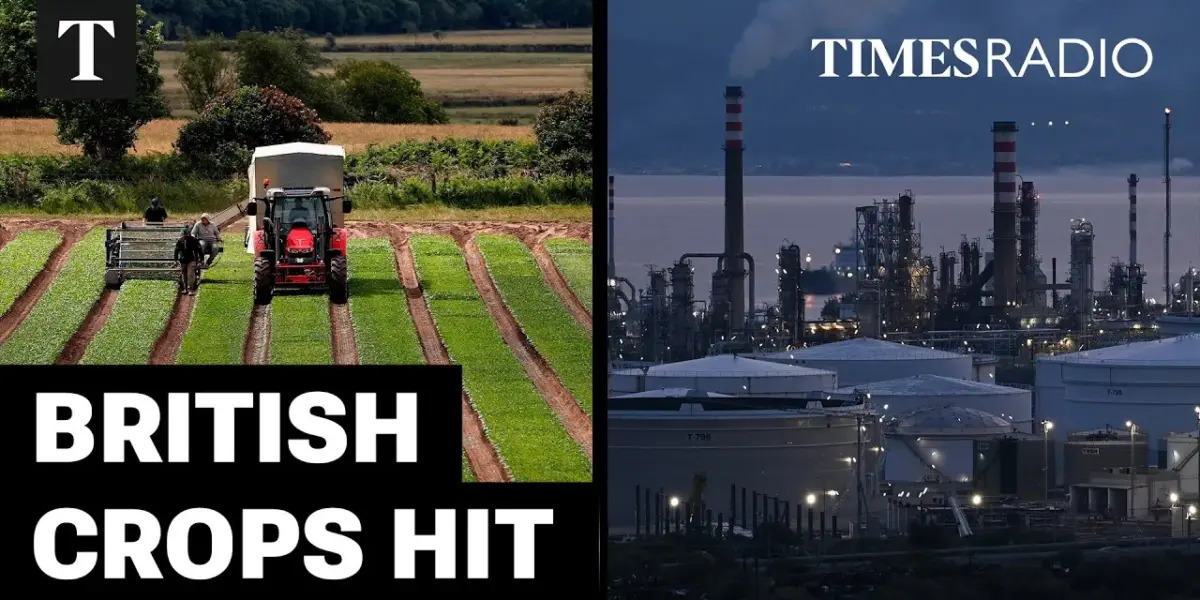
Farmers Warn of Escalating Costs Amid Geopolitical Tensions
The escalating conflict in Iran is sending shockwaves through global markets, prompting urgent concerns among agricultural producers about a potential new cycle of food inflation. Farmers are warning that the current geopolitical instability, particularly its impact on energy and fertilizer prices, could significantly disrupt domestic food production and leave consumers facing even higher grocery bills.
Energy’s Integral Role in Food Production
Tom Bradshaw, President of the National Farmers Union, highlighted the critical link between energy costs and the entire food production chain. “Energy is such an integral part of producing the country’s food,” Bradshaw stated. “Whether that’s fertilizer, whether it’s natural gas going into heating our glasshouses or whether it’s just the red diesel that goes into our tractors or the fuel that goes into lorries which collects the milk, collects the grain and you know is part of the processing right the way through the supply chain.” The current uncertainty in the fossil fuel market is therefore directly translating into inflationary pressures on farms.
Fertilizer Shortages and Critical Timing
A key concern is the immediate impact on fertilizer availability and cost. Bradshaw explained that this is a critical time of year for applying fertilizer to growing crops and grass. While the arable sector, which grows crops like wheat and barley, may have a two-thirds’ supply of its fertilizer needs already on hand, the livestock sector, producing milk, sheep, and cattle, is in a more precarious position. “The livestock sector… probably only has a third of the fertilizer that it requires,” he noted. This shortage comes at a time when forage stocks are low following a dry summer, adding to the sector’s vulnerability.
Economic Pressures Threaten Planting Decisions
The rising cost of inputs, coupled with uncertainty about future selling prices, is leading to serious doubts about whether farmers will plant crops this spring or continue horticultural production. “If those businesses don’t believe they’re going to be able to sell the produce at a profit, then there’ll be really big questions asked about whether they go ahead and plant the crops this spring, whether they decide that they’re going to continue producing from those glass houses,” Bradshaw warned. The lack of cash flow, exacerbated by two challenging years and the removal of EU support schemes, leaves farm businesses more exposed to volatile markets than ever before.
Global Market Volatility and Supply Chain Fragility
The immediate market reaction saw fertilizer prices withdrawn yesterday, indicating an inability to establish contracts for purchase. While the situation is hoped to stabilize, ongoing geopolitical statements offer little clarity. “One minute it feels like the attacks on Iran are nearly over. The next minute there’s huge uncertainty around whether any oil is going to go through the Strait of Hormuz or not,” Bradshaw commented. Even though domestic fuel sources may not directly originate from the affected region, global trade dynamics shift, impacting prices and availability worldwide.
“The real message here is about the resilience of domestic food production.”
The Case for Domestic Food Production Resilience
The current crisis serves as a stark reminder of the UK’s reliance on global markets for food and fertilizer. “We no longer produce any fertilizer from raw ingredients here in the UK. We’re completely exposed to the global market,” Bradshaw emphasized. He argued for the necessity of a robust plan for food production for the nation’s 70 million inhabitants, stressing that the resilience of the domestic industry is critical. The reliance on imports, he added, offers no control, as other nations will always prioritize their own populations. The ongoing geopolitical uncertainty, compounded by climate change impacts on major import regions like North Africa and Southern Spain, further underscores the fragility of the current food system.
Lessons from Past Inflationary Cycles
Recalling the food price inflation experienced during the Russia-Ukraine war, many are concerned about a repeat scenario, or worse. Bradshaw expressed a strong worry that the current situation marks “the start of the next inflationary cycle on food production.” He noted that once inflation takes hold, prices rarely return to previous levels, citing electricity costs as an example. “Often once you’ve seen inflation, it doesn’t come back down to previous levels,” he stated. The cumulative effect of price increases means that even a slowdown in the rate of inflation still results in higher absolute prices for consumers.
Urgent Need for Government Intervention
The National Farmers Union is seeking urgent talks with the government to explore mitigation strategies. “Our members as farmers and food producers can’t afford this inflationary increase. Consumers can’t afford this inflationary increase at the retail shelf. Yet we need to make sure we continue producing the country’s food,” Bradshaw asserted. He called for measures to bring stability and confidence back to the agricultural sector, ensuring the continued production of essential food supplies. The conversation also touched upon the comparative self-reliance of countries like the United States due to their vast internal markets, highlighting a potential model for enhancing national food security.
Source: Farmers Fear Iran War Has Triggered ‘Next Inflationary Cycle On Food Production' (YouTube)

Related Articles


Ukraine Offers Drone Defense Expertise Amid Global Escalation
Ukraine is now offering its hard-won expertise in countering drone attacks to nations facing similar threats, a significant shift amidst global escalations. As the Kremlin issues dire warnings, European leaders reaffirm unwavering support for Kyiv, while economic and geopolitical landscapes are reshaped by regional conflicts and shifting energy dependencies.


US War Aims Unclear Amidst Shifting Explanations and Russian Intel Leaks
New reports reveal Russia may be providing Iran with intelligence to target U.S. forces, deepening concerns over shifting explanations for the ongoing conflict. While two U.S. war objectives are reportedly progressing, the ultimate goal of permanently denying Iran nuclear weapons remains uncertain, fueling public skepticism.


Iran War Sparks Oil Price Surge, Global Economic Fears
Iran's escalating conflict with its neighbors and Israel has triggered a sharp surge in oil prices, exceeding $100 a barrel and fueling global economic fears. President Trump has warned of severe consequences if Iran disrupts oil supplies, while new video suggests a potential U.S. missile strike near a school tragedy. Meanwhile, a partial government shutdown is causing significant airport delays across the U.S.