Supreme Court Tariff Ruling Weakens Trump’s Trade Negotiation Power, Expert Says
The Supreme Court's ruling against Trump's global tariffs could weaken his negotiating power in bilateral trade talks, though experts say he retains multiple tools to maintain high tariff levels. The decision affects about 50% of current tariff revenue and raises questions about potential refunds to businesses.

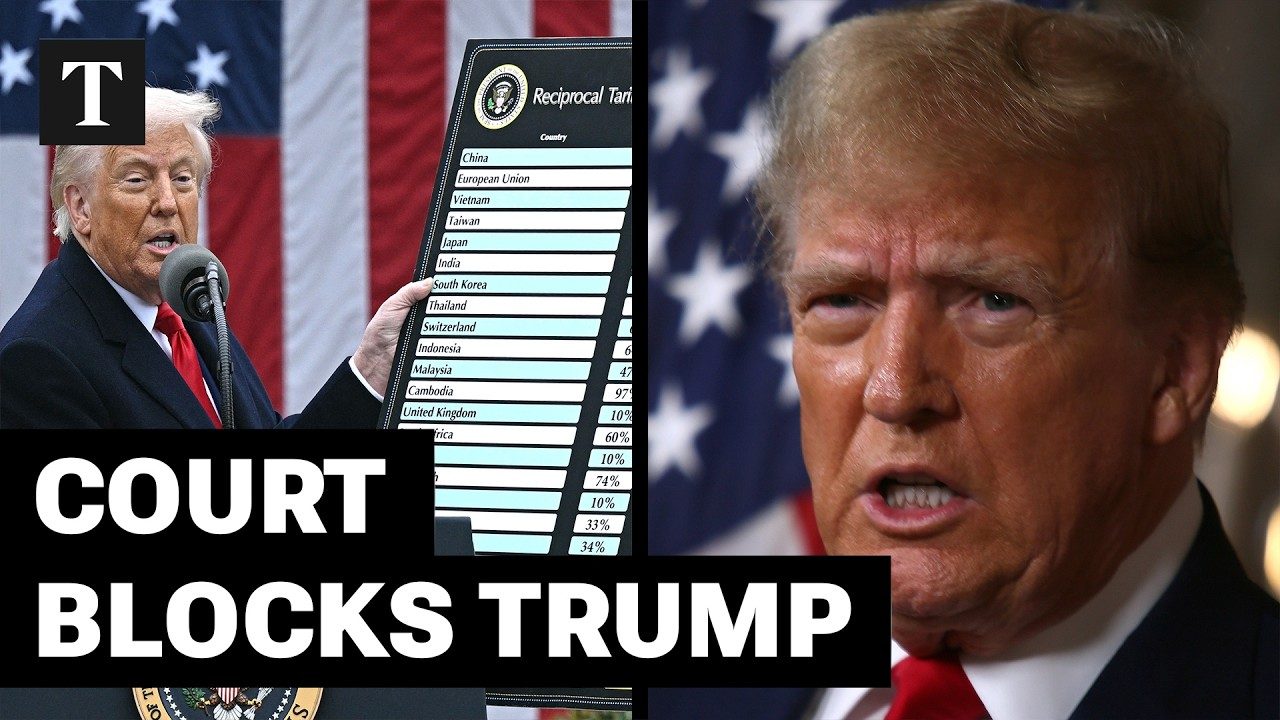
A recent Supreme Court ruling against President Donald Trump’s global tariffs could significantly undermine his administration’s leverage in international trade negotiations, according to trade experts analyzing the decision’s broader implications.
Landmark Supreme Court Decision
The U.S. Supreme Court has ruled against President Trump’s global tariffs that were implemented through executive order, determining that the president exceeded his constitutional authority. The 6-3 majority decision represents what trade expert Monica Gorman, who previously served on President Biden’s National Economic Council and worked in the Department of Commerce, describes as “a landmark ruling” and “a major separation of powers ruling.”
The court’s decision specifically targeted tariffs imposed under the International Emergency Economic Powers Act (IEPA), with the justices emphasizing that tariffs are taxes and the constitutional power to tax lies with Congress, not the executive branch.
Economic Impact and Refund Questions
The ruling has immediate economic implications, particularly regarding potential refunds. According to Gorman, IEPA tariffs comprise approximately 50% of current tariff revenue, creating significant uncertainty for businesses and the government alike.
“There will be a major question around refunds of IEPA tariffs. The court has struck those down,” Gorman explained. “That is now up for grabs. The court did not really provide a roadmap that is going to go back to the court of international trade.”
The expert predicts “extensive litigation and continued uncertainty for industry” as the refund question works its way through the court system. The case originated from an application brought by businesses from 12 states, predominantly Democratic-controlled, who were affected by the tariffs.
Trump’s Alternative Options Remain
Despite the Supreme Court setback, Trump retains multiple statutory tools to maintain his high-tariff approach to trade policy. Gorman outlined several “Plan B” options available to the administration:
- Section 232: Industry-specific tariffs for sectors like automotive and steel, which remain unaffected by the ruling and have been “very robustly” used by the administration
- Section 301: Previously used primarily in U.S.-China trade disputes but applicable to other trading relationships
- Section 122: Allows the president to immediately impose up to 15% tariffs for 150 days
“I fully expect announcements soon as to how they will continue to maintain a high tariff environment,” Gorman predicted, suggesting the administration has prepared contingency plans.
Weakened Hand in Bilateral Negotiations
The most significant long-term impact may be on Trump’s ability to negotiate favorable bilateral and multilateral trade agreements. The ruling could shift the balance of power in ongoing trade discussions.
“We have a lot of bilateral trade framework agreements that have been negotiated, but these agreements don’t have a lot of details baked yet, and this decision may weaken the president’s hand in a lot of those bilateral negotiations,” Gorman explained.
The expert suggested that foreign governments may have been waiting to see the outcome of this legal challenge before finalizing trade deal details. “As the U.S. continues to negotiate the details, this in many cases may strengthen the hands of foreign governments in those negotiations.”
Political Reactions and Broader Implications
The ruling has generated predictable partisan responses. Former Vice President Mike Pence characterized the decision as “a victory for the American people,” while California Governor Gavin Newsom called on the president to offer refunds to the public.
The decision represents a significant constitutional precedent regarding executive power in trade policy. By affirming that tariff authority ultimately rests with Congress, the Supreme Court has reinforced traditional separation of powers principles while potentially constraining future presidents’ unilateral trade actions.
Continued High-Tariff Environment Expected
Despite the legal setback, trade experts anticipate that the overall U.S. tariff environment will remain elevated. The administration’s access to multiple statutory authorities means that while the specific IEPA tariffs may be struck down, alternative mechanisms can maintain protective trade policies.
“We are likely to see a continued high tariff environment in the United States,” Gorman concluded, noting that the president “has lots of statutes by which he can do that.”
The ruling’s ultimate impact will likely depend on how effectively the Trump administration can pivot to alternative legal frameworks and whether trading partners choose to press their newfound advantage in ongoing negotiations. As businesses await clarity on potential refunds and future tariff policies, the decision marks a significant moment in the intersection of constitutional law and international trade policy.
Source: Supreme Court Ruling Could Undermine Trump’s Trade Negotiations | US Trade Expert (YouTube)

Related Articles
FedEx Leads Tariff Lawsuits: Who Really Pays?
FedEx is leading a new wave of lawsuits against the U.S. government, seeking refunds for Trump-era tariffs. While businesses may recoup costs, consumers are unlikely to see price reductions or reimbursements.
Trump’s SCOTUS Tirade Backfires, Alienating Key Allies
Donald Trump's aggressive attacks on the Supreme Court following a tariff ruling are backfiring, alienating justices and potentially undermining his own legal and political standing. The unprecedented personal assaults are seen as a self-destructive tactic with significant implications for the judiciary's independence.

Bondi’s Court Blunder Could Cost US Billions
A court filing from Pam Bondi's Department of Justice may have committed the U.S. to refunding $170 billion in tariffs. This legal promise was made during challenges to Trump-era tariffs, with the DOJ assuring the court that collected funds would be repaid if the tariffs were overturned.