Trump’s Iran Stance Sparks Global Alarm Amid Russia Ties
President Trump's demand for Iran's 'unconditional surrender' has ignited global concern, particularly as reports suggest Russia is providing intelligence to Tehran. The escalating tensions highlight diverging international perspectives and raise questions about U.S. strategic goals and long-term planning.

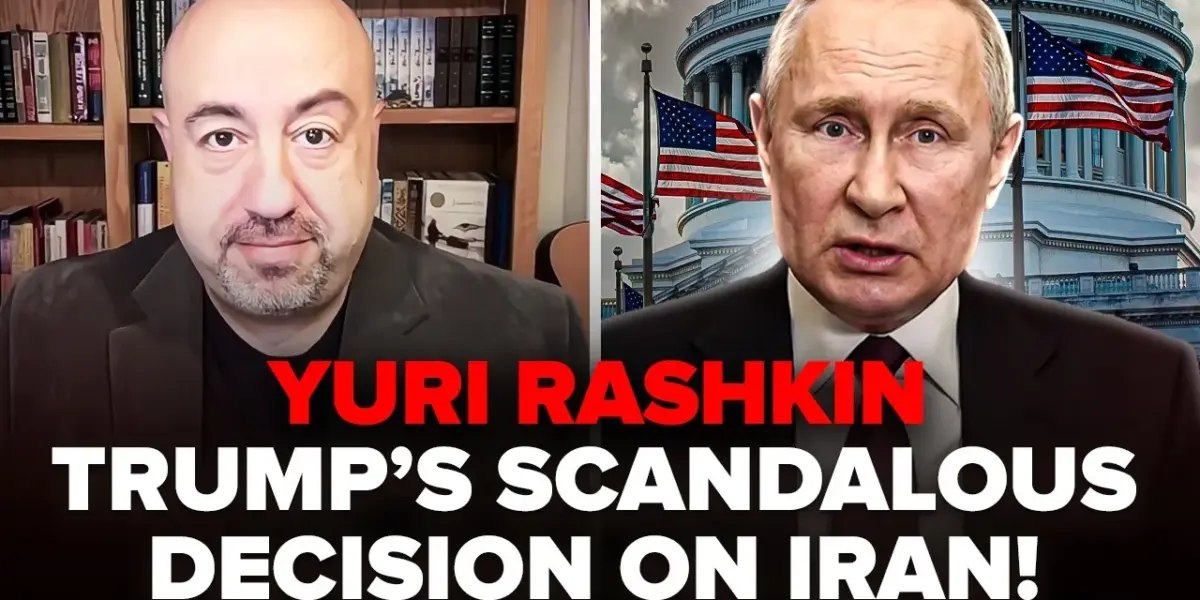
Trump Demands Iran’s ‘Unconditional Surrender’ Amid Escalating Tensions
In a dramatic escalation of geopolitical tensions, U.S. President Donald Trump has issued an ultimatum to Iran, demanding “unconditional surrender” and threatening severe repercussions if the country continues its attacks. The White House has stated that increased pressure will be applied if Tehran refuses to de-escalate. This assertive stance by the Trump administration has generated significant discussion and concern, particularly given the backdrop of alleged Russian support for Iran, a development that raises fears of a broader international confrontation.
Divergent Global Perspectives on the Iran Conflict
The unfolding crisis in the Middle East is being viewed through starkly different lenses across the globe. In Ukraine, the news of the U.S. taking action against Iran has been met with a degree of satisfaction, seen by some as a necessary move against a regime actively supporting Russia’s war efforts. This perspective contrasts sharply with the sentiment within the United States, where many express shock and disbelief at President Trump’s decision to engage in another foreign conflict. For his political base, often characterized by an “America First” and isolationist outlook, the engagement in the Middle East appears to contradict prior expectations of an anti-war presidency.
“In the Ukraine there is a celebration and joy that the United States is dealing with crises in the world, in the United States we see somewhere between shock and disbelief that our president decided to get involved in another foreign war in the Middle East.”
Russia’s Alleged Role and Geopolitical Implications
A critical element complicating the situation is the reported intelligence-sharing between Russia and Iran. This alleged cooperation, which could provide Iran with vital information for targeting American forces, has drawn sharp criticism. Political commentator Yuri Rashkin highlighted the gravity of this development, drawing parallels to Russia’s actions in Ukraine.
Rashkin pointed to a perceived pattern in President Trump’s foreign policy, noting a tendency to engage with nations that lack strong international alliances, such as Venezuela and Iran, while avoiding confrontation with more powerful blocs. The involvement of Russia, described as a weak ally or a “client state” for Iran, adds a significant layer of complexity. The provision of intelligence and potential military instructors from Russia to Iran is seen by many as a direct challenge to U.S. interests and a departure from established international norms.
“Russia is now providing information and there’s an order about sending military instructors from Russia to Iran to help train them.”
Domestic Criticism and Strategic Ambiguities
The strategic goals behind the U.S. approach to Iran remain a subject of intense debate. While the administration has spoken of forcing Iran back to negotiations, the demand for “unconditional surrender” suggests a more ambitious objective, possibly including regime change. However, intelligence assessments reportedly indicate that regime change in Iran may not be a feasible outcome, raising questions about the long-term viability of the current strategy.
Critics argue that the administration’s actions demonstrate a lack of foresight and strategic planning. The potential for a conflict with Iran to disrupt global oil markets, particularly through the Strait of Hormuz, is a significant concern. This is compounded by the fact that the U.S. has reportedly depleted its own munition supplies, potentially impacting its ability to support allies like Taiwan and European partners.
Economic Ramifications: Oil Markets and Global Stability
The conflict’s impact on global energy markets is undeniable. While the U.S. has granted temporary exemptions for countries like India to continue purchasing Russian oil, the broader implications for oil prices and supply remain a significant concern. The potential disruption of oil flow from Iran, a country that controls a significant portion of global supply, could lead to catastrophic economic consequences.
The discussion also touched upon the complex interplay between oil, geopolitics, and domestic politics. The rise in gas prices following Russia’s invasion of Ukraine was cited as a factor that contributed to political challenges for the Biden administration. This historical context underscores the sensitivity of energy prices and their direct impact on public perception and electoral outcomes.
Broader Concerns: Trust, Alliances, and Future Policy
The events surrounding Iran and Russia’s alleged involvement have fueled broader concerns about the erosion of trust in U.S. foreign policy and its standing among global allies. The administration’s approach, characterized by a perceived lack of consistent planning and adherence to international norms, has led to skepticism about the reliability of U.S. commitments.
Looking ahead, the situation remains fluid. Key developments to watch include potential responses from Congress, further intelligence revelations regarding Russian-Iranian cooperation, and the administration’s next steps in its engagement with Iran. The long-term consequences for global stability, energy markets, and international alliances will likely unfold in the coming months and years.
Source: ⚡️Trump HUMILIATED PUTIN because of Iran! Oil COLLAPSE. Americans will NOT forgive this war (YouTube)

Related Articles

France Plans Strait of Hormuz Mission to Secure Global Shipping
France is reportedly preparing a naval mission to secure passage through the Strait of Hormuz, a critical global shipping lane for oil and gas. The initiative aims to de-escalate tensions and ensure the safe transit of commercial vessels amid rising regional instability and attacks on vital infrastructure.

Russia Admits Support for Iran Amid Regional Tensions
Russia has openly admitted its supportive stance towards Iran, stating it would consider providing assistance if requested. This announcement comes amidst escalating regional tensions, including a deadly strike in Kharkiv, Ukraine, and an Iranian drone attack in Bahrain.
Elias: Trump’s Arizona Records Seizure Signals Escalating Election Threats
Lawyer Marc Elias warns that Donald Trump's alleged efforts to seize 2020 election records in Arizona are a dangerous escalation. He believes this is part of a pattern to create excuses for federal intervention in future elections.