Trump on War Deaths: ‘You Always Have Death’
Former President Donald Trump stated that "you always have death" when discussing conflicts during a press conference. The remark came after MS NOW's Mychael Schnell pressed him on the number of American casualties he would accept before a war ends.

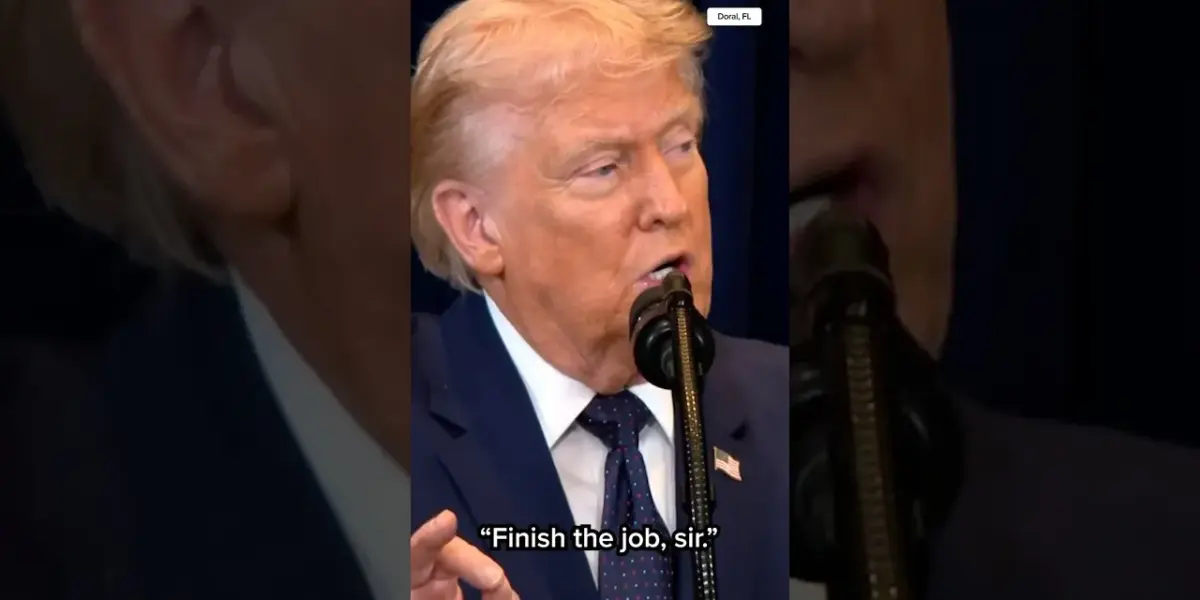
Trump Addresses War Casualties, Cites Inevitability of Death
During a recent press conference, former President Donald Trump directly addressed the sensitive issue of American casualties in ongoing conflicts, stating that “you always have death” when wars are involved. The candid remark came in response to a pointed question from Mychael Schnell of MS NOW, who pressed the former president on the number of American lives he would deem acceptable before a cessation of hostilities.
Context of the Question
The exchange occurred as Trump concluded a press conference, a setting often utilized by political figures to address pressing current events and field questions from the press corps. Schnell’s inquiry, by its nature, sought to elicit a specific threshold or a quantifiable limit on American lives lost, probing the former president’s stance on the human cost of military engagement.
Trump’s Direct Response
When directly confronted with the question of how many American deaths he is willing to accept before a war concludes, Trump’s response was succinct and stark: “When you have conflicts like this, you always have death.” This statement suggests a pragmatic, albeit grim, outlook on the realities of warfare, framing casualties not as an avoidable outcome but as an inherent component of military action.
“When you have conflicts like this, you always have death,” Trump responded.
Interpreting the Statement
Trump’s comment can be interpreted in several ways. On one hand, it reflects a widely acknowledged truth in military history and strategy: that loss of life is an unfortunate but often unavoidable consequence of armed conflict. Military operations, by their very nature, carry inherent risks, and the protection of service members, while a paramount concern, cannot always guarantee zero casualties. This perspective emphasizes the brutal calculus of war, where strategic objectives and national interests are weighed against the ultimate sacrifice of soldiers.
On the other hand, the statement could be perceived as a deflection or an attempt to manage expectations regarding the human toll of any potential future military actions. In the highly charged environment of political discourse surrounding war, such a response might be intended to preempt criticism by acknowledging the grim reality upfront, thereby framing any subsequent casualties as a known factor rather than a failure of policy or execution.
Broader Implications and Public Perception
The question of acceptable casualties is a deeply sensitive one, resonating with the public and significantly impacting the political landscape surrounding foreign policy and military intervention. Historically, high casualty rates have often been a catalyst for public outcry, political opposition, and ultimately, a shift in policy or the withdrawal of forces. Conversely, a perception of minimized or managed risk can bolster public support for military actions.
Trump’s remarks, made in the context of his post-presidency, continue to signal his approach to complex geopolitical issues. His rhetoric has often been characterized by directness and a willingness to challenge conventional political phrasing, particularly on matters of national security and foreign policy. This particular statement, while brief, aligns with a pattern of his communication style that prioritizes perceived realism over diplomatic niceties.
The Role of Media in Questioning Leaders
The interaction also highlights the crucial role of journalists in holding public figures accountable and eliciting substantive responses on critical issues. Mychael Schnell’s persistence in questioning Trump on the human cost of war underscores the media’s function in ensuring that leaders are pressed on the most significant implications of their policies and statements. The question posed was not merely about military strategy but about the fundamental value placed on human life in the context of national defense and foreign policy objectives.
Looking Ahead
As political discourse continues to evolve, particularly concerning the potential for future international conflicts or the ongoing management of existing ones, the public’s expectation for transparency and ethical consideration regarding military casualties will remain a critical factor. Future statements from political leaders, especially those with significant influence on foreign policy, will be scrutinized not only for their strategic soundness but also for their acknowledgment of the profound human impact of war.
Source: Trump to MS NOW: 'You always have death' in war (YouTube)

Related Articles
Trump’s Iran War: Chaos, Lies, and Global Instability Emerge
The U.S. engagement with Iran has devolved into a chaotic quagmire, marked by market manipulation, escalating threats, and grave allegations of targeting civilian infrastructure. This analysis explores the contradictory narratives, geopolitical ramifications, and historical context of a conflict spiraling out of control.
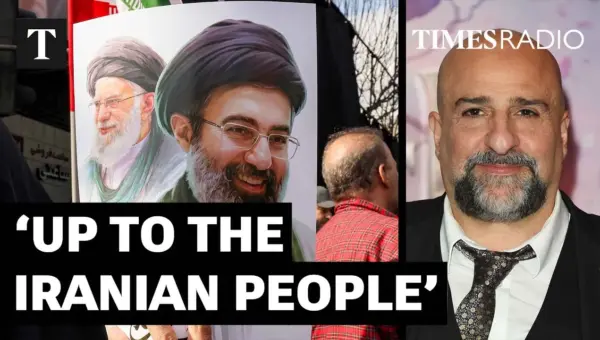
Iran Conflict: ‘Rescue Mission’ Ends, Future Rests With People
The conflict in Iran is being reframed as a 'rescue mission' to dismantle repressive machinery, with the future now resting with the Iranian people. While military capabilities are degraded, questions linger about the true end of hostilities and the potential for regime change.
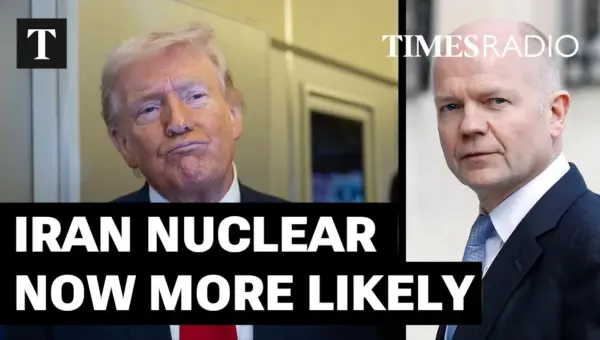
Iran Nuclear Threat Rises After US Military Strikes, Analyst Warns
Former Foreign Secretary William Hague warns that recent military actions against Iran may have increased the likelihood of the nation developing a nuclear weapon. The strategy's effectiveness is questioned amid concerns over economic fallout and the geopolitical implications of President Trump's uncertain approach.