Iranian Soccer Stars Seek Asylum Amidst Regime Threats
Members of Iran's national women's soccer team have reportedly sought asylum in Australia after a silent protest during the Women's Asia Cup drew harsh condemnation from the Iranian regime. This act of defiance, coupled with a history of repression against athletes, has sparked international concern and offers of protection from global leaders.

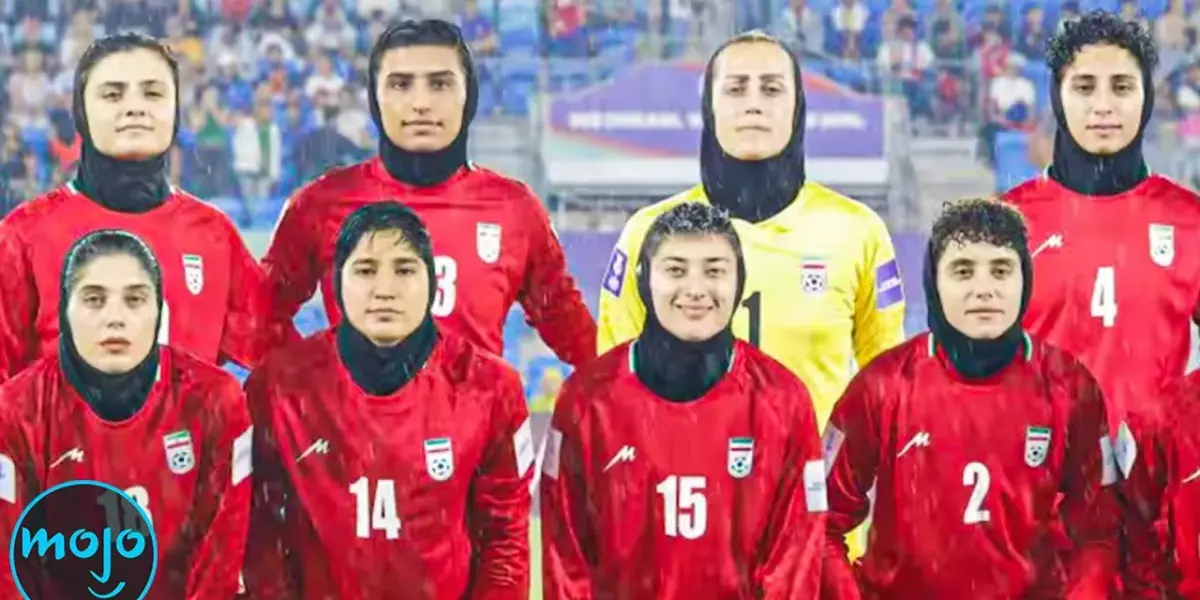
Iranian Women’s Soccer Team’s Plea for Safety Echoes Global Concerns
In a dramatic turn of events that highlights the perilous intersection of sports and politics, members of Iran’s national women’s soccer team have reportedly sought asylum in Australia. The team’s stand, which began with a silent protest during the Women’s Asia Cup by refusing to sing the national anthem, has escalated into a potential human rights crisis, drawing international attention and intervention from figures like U.S. President Joe Biden.
A Silent Protest with Loud Consequences
The controversy erupted during the Women’s Asia Cup held in Australia. During pre-match ceremonies, several Iranian players conspicuously declined to participate in singing the Islamic Republic’s anthem. While such acts of dissent might be met with debate in many nations, in Iran, they carry potentially life-threatening repercussions. The players’ gesture was widely interpreted as a powerful act of solidarity with the millions of Iranians protesting against the regime. This seemingly small act on the field quickly transformed into a significant political statement, raising grave concerns about the players’ safety upon their potential return home.
“Wartime Traitors”: A Charge with Deadly Implications
Following the protest, a spokesperson for the Iranian government appeared on state television, labeling the players “wartime traitors.” This accusation is far from mere rhetoric in Iran’s legal system, where charges related to treason or actions against the state have historically led to severe penalties, including lengthy imprisonment and even execution. The public accusation by a regime official is seen by many observers as an attempt to pressure the judiciary and can amplify the danger faced by the athletes. This televised statement is widely believed to have transformed a sports protest into a potential human rights emergency.
A History of Repression: Athletes as Targets
The fears surrounding the Iranian women’s soccer team are not unfounded; they are rooted in a disturbing pattern of repression against athletes who express dissent. The case of champion wrestler Navid Afkari, executed in 2020 after participating in protests, serves as a chilling precedent. Afkari maintained that his confession was extracted under duress and torture. Despite global appeals from athletes and human rights organizations, his execution sent a stark message that even internationally recognized athletes are vulnerable.
Another national wrestling champion, Mehdi Ali Hosseini, was executed in 2021, further reinforcing concerns about the Iranian justice system’s treatment of prominent athletes. These cases, alongside historical examples like Habbib Khabiri (executed in 1984) and Hosang Montazer al-Zahor (executed in 1981), underscore the risks faced by athletes who dare to challenge the regime. Fame and international renown have historically offered little protection to Iranian athletes who fall afoul of political authorities.
Defections and the Broader Climate of Repression
Reports indicate that at least five players from the Iran women’s soccer team have defected and are now under the care of Australian federal police. These players reportedly had been made aware of their options by the Australian government prior to their disappearance from the team’s scheduled dinner. This development comes amid a broader climate of intense repression within Iran. The country has witnessed brutal crackdowns against anti-government protesters, with human rights groups confirming thousands of deaths during recent unrest. The Iranian authorities themselves acknowledged over 3,000 deaths during nationwide unrest in January 2026.
“Women, Life, Freedom”: A Movement Centered on Women’s Rights
The women’s soccer team’s protest is intrinsically linked to the broader “Woman, Life, Freedom” movement, which gained global traction following the death of 22-year-old Mahsa Amini. Amini died in custody after being arrested by the morality police for allegedly violating Iran’s strict Islamic dress code. Women have consistently been at the forefront of Iran’s protest movements, often bearing the brunt of the state’s response. The “Woman, Life, Freedom” movement, sparked by Amini’s death, has seen women challenging the restrictive laws governing their lives, including their attire. The movement has become a global symbol of resistance against oppression.
International Refugee Law and Offers of Protection
The players’ situation falls under the purview of international refugee law. The United Nations’ 1951 Refugee Convention prohibits countries from returning individuals to places where they face serious threats to their life or freedom – a principle known as non-refoulement. As the team is currently in Australia, Australian authorities possess the legal capacity to grant protection if the athletes formally request asylum.
In a significant display of international support, U.S. President Joe Biden reportedly communicated directly with Australian Prime Minister Anthony Albanese, offering to take the players if Australia could not provide them with sanctuary. This offer underscores the gravity with which the international community views the potential danger these athletes face.
Canadian Soccer League Offers a Potential Lifeline
In a creative and compassionate proposal, Canada’s newly launched professional women’s soccer league, the Northern Super League, has been suggested as a potential haven for the Iranian athletes. With 22 professional clubs across Canada and the United States, the leagues could offer roster spots to the players, allowing them to continue their careers in a safe environment. This initiative aims to provide a practical solution that supports the athletes’ safety and their athletic ambitions, ensuring their courage is met with protection and opportunity.
The fate of the Iranian women’s soccer team remains a developing story, but their courageous act of defiance has ignited a global conversation about human rights, political dissent, and the protection of athletes. Their stand serves as a potent reminder that sometimes, the most significant victories are achieved far beyond the confines of a sports field.
Source: Iranian Women's Soccer Team: 10 Disturbing Realities For Women In The Islamic Republic of Iran (YouTube)

Related Articles
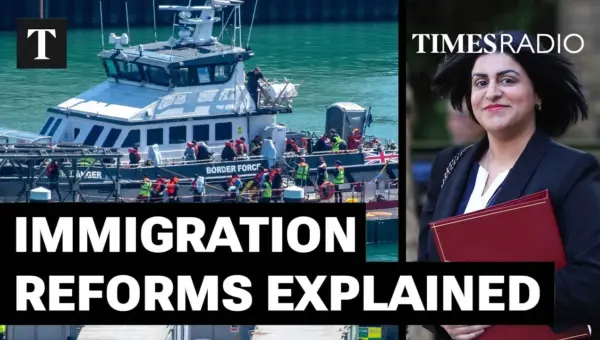
UK Immigration Reforms: Refugees Face Temporary Status, Cash Incentives to Leave
The UK has introduced significant immigration reforms, including temporary refugee status and offers of up to £40,000 for families to leave voluntarily. Experts question the deterrent effect of these measures, while critics raise concerns about integration and fairness.

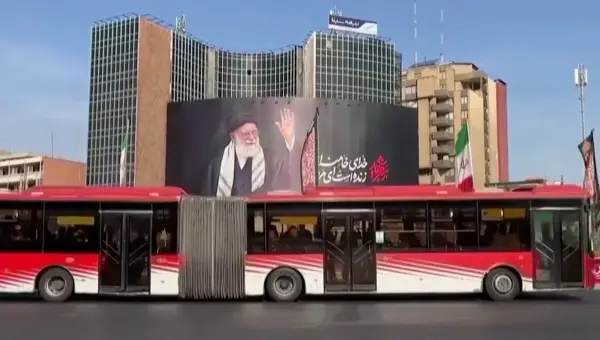
Iran Protests: “Freedom or Death” Amidst Brutal Crackdown
A rare account from inside Iran reveals a city silenced by an internet blackout and pervasive fear. A brave citizen speaks out about the desperate need for international support to achieve "freedom or death," highlighting the stark reality of life under the current regime and a palpable sense of hope for change.

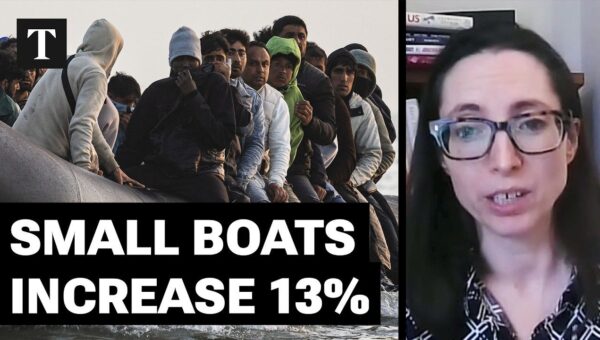
UK Asylum Hotels: Government Off Track, Migration Expert Warns
A leading migration expert warns the UK government is failing to meet its target of ending asylum hotel use, as small boat arrivals rise by 13%. Maline Sumpion highlights challenges in tackling smuggling gangs and reliance on France, while noting the slow progress on alternative accommodation and a strained asylum appeals system.