Hezbollah Fuels Lebanon’s Descent into Wider Iran-Israel Conflict
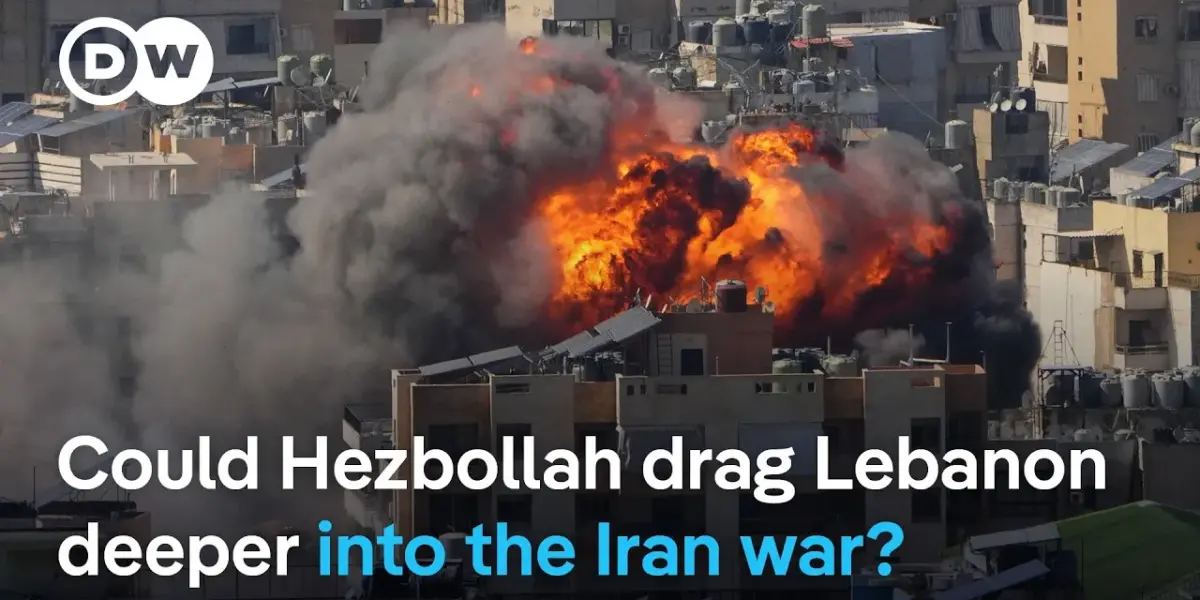
Lebanon is being drawn into the wider Iran-Israel conflict, with hundreds killed and over half a million displaced by recent Israeli strikes targeting Hezbollah. The Lebanese president has accused Hezbollah of jeopardizing the nation's stability, while the militant group vows to defend its existence.

Lebanon Caught in Crossfire as Hezbollah Engages Israel
Lebanon is increasingly entangled in the escalating conflict between Iran and Israel, facing a severe humanitarian crisis and a deepening sense of national peril. In the past week alone, intensified Israeli airstrikes and ground operations targeting Hezbollah positions have resulted in hundreds of casualties and displaced over half a million people, according to reports. Israel has declared its unwavering commitment to dismantling Hezbollah, vowing to continue operations until the militant group is defeated. Conversely, Hezbollah maintains its stance, asserting its determination to defend its very existence. The escalating violence has prompted Lebanon’s President to accuse the group of deliberately jeopardizing the nation’s stability and future.
The Roots of Escalation: Hezbollah’s Role and Israeli Response
The current escalation signifies a dangerous expansion of the regional conflict, drawing Lebanon deeper into the proxy war. David Daoud, a senior fellow at the Foundation for the Defense of Democracies, provides critical analysis on the unfolding situation. Daoud highlights that the conflict is not merely a localized dispute but a manifestation of the broader geopolitical tensions involving Iran and its network of regional proxies. Israel’s military actions are framed as a necessary response to what it perceives as an existential threat posed by Hezbollah’s growing military capabilities and its alignment with Iran’s regional agenda.
“Hezbollah says the group intends to defend its existence,” states the DW News report, encapsulating the militant group’s defiant posture. This assertion, however, comes at a devastating cost to the Lebanese population, who bear the brunt of the retaliatory strikes and ensuing humanitarian crisis. The scale of displacement, with over 500,000 people forced to flee their homes, underscores the severe impact on civilian life and infrastructure.
Lebanese President’s Outcry: Accusations of National Sabotage
The gravity of the situation has led to strong condemnation from Lebanon’s highest office. The country’s president has publicly accused Hezbollah of actions that threaten to “wreck the country.” This statement reflects a growing concern within Lebanon that the militant group’s engagement with Israel is prioritizing its own agenda over the national interest and well-being of its citizens. The president’s accusation points to a deep internal division and a struggle for control over Lebanon’s foreign policy and its involvement in regional conflicts.
The implications of this internal discord are significant. A nation already grappling with severe economic challenges and political instability now faces the prospect of widespread destruction and further isolation. The potential for a full-scale war on its territory threatens to undo any progress made towards recovery and could push the country into an even deeper abyss.
Regional Ramifications and the Iran-Israel Shadow War
The conflict in Lebanon is intrinsically linked to the wider shadow war between Iran and Israel, a long-standing geopolitical struggle that has manifested across the Middle East. Hezbollah, as a key Iranian proxy, plays a crucial role in this dynamic. Its military actions against Israel are often seen as an extension of Iran’s strategic objectives, aimed at challenging Israeli security and projecting Iranian influence.
David Daoud’s insights are crucial here, as he likely elaborates on the strategic calculus driving both Iran’s support for Hezbollah and Israel’s response. The current escalation could be interpreted as a significant turning point, potentially moving the conflict from the shadows into a more overt confrontation. The involvement of Lebanon in this wider war raises concerns about the potential for a broader regional conflagration, drawing in other actors and further destabilizing an already volatile region.
Humanitarian Crisis and International Concerns
The humanitarian consequences of the intensified fighting are dire. The displacement of over half a million people creates immense pressure on resources, exacerbates existing shortages of food, water, and medical supplies, and poses significant challenges for aid organizations. The destruction of infrastructure further compounds these problems, hindering access for relief efforts and impacting the long-term recovery prospects of affected communities.
International bodies and governments are watching the situation with increasing alarm. The potential for a wider conflict and the severe humanitarian toll necessitate urgent diplomatic efforts to de-escalate tensions and ensure the protection of civilians. The international community faces the challenge of addressing the immediate crisis while also working towards a sustainable resolution of the underlying political and security issues that fuel such conflicts.
Looking Ahead: What’s Next for Lebanon?
The future of Lebanon hangs precariously in the balance. The country finds itself at a critical juncture, with the ongoing conflict threatening to push it further into chaos. The resolve of Israel to neutralize the Hezbollah threat, coupled with Hezbollah’s determination to resist, suggests a prolonged period of intense military activity. The internal political divisions within Lebanon, highlighted by the president’s strong rebuke of Hezbollah, will likely complicate any efforts towards de-escalation or national reconciliation.
Moving forward, key developments to watch include the trajectory of Israeli military operations, the response of Hezbollah and its ability to sustain its fight, and the potential for diplomatic intervention to curb the violence. The humanitarian situation will undoubtedly remain a critical concern, requiring sustained international attention and aid. The decisions made in the coming days and weeks will have profound implications for the stability of Lebanon and the broader Middle East.
Source: What's next for Lebanon as Hezbollah pulls it into the Iran war? | DW News (YouTube)

Related Articles


Carville Slams Trump’s Iran Stance as ‘Surrender,’ Warns of Economic Fallout
Political strategist James Carville sharply criticized President Trump's Iran policy as a "surrender" and warned of economic fallout from rising oil prices. He argued that the conflict's unpopularity and the administration's handling of the economy would significantly impact upcoming elections.

Trump Declares Iran War ‘Complete’ Amid Market Rebound
President Trump declared the war in Iran "very complete," leading to a market rebound and dropping oil prices. However, mixed messaging from the administration on the conflict's timeline and ongoing regional tensions persist. The U.S. also faces severe weather and a thwarted bomb plot in New York.
Trump Predicts Swift End to Iran War Amid Escalating Global Impact
President Trump anticipates a swift conclusion to the war in Iran, citing completed military objectives. Meanwhile, escalating regional airstrikes on oil infrastructure are driving up global prices, with the national average gas price nearing $5 a gallon. New evidence suggests a U.S. missile may have struck an Iranian school, an accusation the President denies.