Carville Slams Trump’s Iran Stance as ‘Surrender,’ Warns of Economic Fallout
Political strategist James Carville sharply criticized President Trump's Iran policy as a "surrender" and warned of economic fallout from rising oil prices. He argued that the conflict's unpopularity and the administration's handling of the economy would significantly impact upcoming elections.

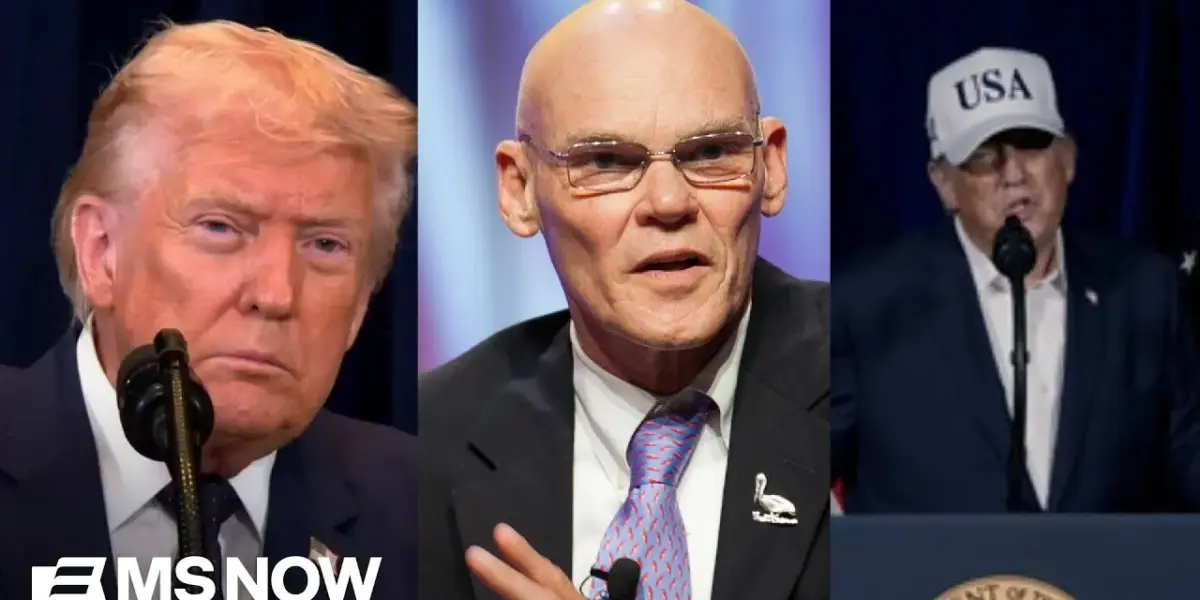
Carville Criticizes Trump’s Iran Policy and Economic Claims
Legendary political strategist James Carville has sharply criticized President Trump’s approach to the Iran conflict and his administration’s handling of the economy. In recent remarks, Carville described Trump’s actions as a “surrender” and warned of significant negative consequences, particularly concerning rising oil prices and their impact on American consumers.
Trump’s Press Conference and Carville’s Rebuttal
Following President Trump’s first extended remarks on the Iran war, where the President discussed surging oil prices and claimed success in the excursion, Carville offered a starkly different assessment. “We know we took out an 86-year-old leader who was a hard-liner and was replaced by his son who was 56-year-old and a hard-liner,” Carville stated, highlighting the perceived ineffectiveness of the leadership change. He also pointed to President Trump’s lengthy phone conversation with Vladimir Putin, suggesting it preceded a “White Flag” moment.
“The fact checkers are going to have to dig through to say if it’s 55 or 58 different lies that he said in that. I just stop counting and I’m not even a fact checker. They were cascading, they were going so fast.”
Carville expressed skepticism about the administration’s claims regarding oil prices, noting that while prices have risen, they may not have done so as dramatically as some anticipated. However, he emphasized the real-world impact of these price fluctuations on everyday Americans. “When somebody goes and pays 50 cents a gallon more, that’s not an illusion. That’s really not. That’s like real money,” he asserted. Carville also pointed out that the increased cost of oil, especially the “$120 stuff,” would soon be reflected at the gas pump, placing a “terrible strain on people’s pocketbooks.” He characterized the situation as a “domestic event” rather than solely a foreign policy issue, indicating a merger of international conflict and internal economic pressure.
Political Ramifications and Shifting Republican Tides
The political strategist also weighed in on the internal dynamics within the Republican party, suggesting that the events in Iran have created a rift. “J.D. Vance is a winner and Marco Rubio is a loser,” Carville declared, positioning Vance and Tucker Carlson as representatives of the “isolationist wing” of the party, while suggesting Rubio and his allies might face greater scrutiny for their involvement in foreign policy decisions.
Carville argued that Trump’s actions and the subsequent events have bolstered the isolationist tendencies within the Republican party, labeling the situation a “debacle.” He drew parallels to historical foreign policy missteps, mentioning Vietnam and Iraq, and suggested that while Trump may be more attuned to domestic political pressures, his foreign policy decisions could have lasting negative consequences.
The Role of Modern Communication in Unpopular Wars
The discussion also touched upon the influence of modern communication channels, including podcasts and TikTok, in shaping public opinion regarding the Iran conflict. Carville acknowledged that individuals are using these platforms to express their views, even on a war that he described as “unpopular every day of its first 10 days.” He noted that influencers and individuals on these platforms are often “pretty intelligent” and “aware of what’s happening in the future,” making it difficult to control the narrative.
The sidelining of Congress in the decision-making process for the Iran conflict was also raised as a concern. Carville alluded to potential Democratic pushback, suggesting that they would demand reforms, particularly in areas like ICE and Border Patrol, before supporting further action. He cited remarks from Democratic leader Hakeem Jeffries, who called for “dramatic, bold, meaningful and transformational changes to get ICE under control,” emphasizing a need for policy change over mere personnel shifts.
Economic Woes and the Midterm Message
Carville expressed concern over the state of the U.S. economy, describing it as having “no momentum” and being “in reverse.” He contrasted the current economic climate with the period before the current administration took office, stating that the economy was “significantly better” then. He also criticized the administration’s focus on headlines over reality, citing instances where job cuts were discussed but rehiring later occurred, suggesting a strategy of managing perception rather than substantive change.
Referencing the gubernatorial race loss in Virginia, Carville asserted that “people told them exactly what they thought about this. It was massively unpopular.” He used the analogy, “you can’t unscramble an egg,” to describe the difficulty the administration faces in rectifying past decisions. He concluded by suggesting that the Democrats’ midterm message should be a simple, powerful declaration: “Basta,” an Italian word meaning “enough.” This message, he believes, will resonate with voters tired of the current political and economic climate.
Looking Ahead
As the situation in Iran continues to unfold and its economic repercussions become clearer, the political fallout for the Trump administration is expected to intensify. The effectiveness of modern communication in shaping public opinion on unpopular conflicts and the Democratic party’s strategy of emphasizing voter fatigue will be key factors to watch in the upcoming political landscape.
Source: Unpopular POTUS, unpopular war — and Trump's SURRENDER in Iran will be even worse: James Carville (YouTube)

Related Articles

Trump Declares Iran War ‘Complete’ Amid Market Rebound
President Trump declared the war in Iran "very complete," leading to a market rebound and dropping oil prices. However, mixed messaging from the administration on the conflict's timeline and ongoing regional tensions persist. The U.S. also faces severe weather and a thwarted bomb plot in New York.
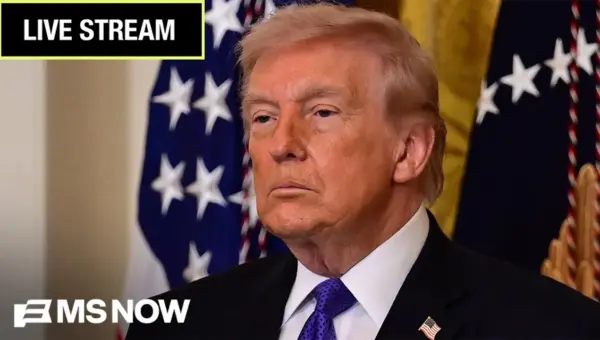
Trump Addresses Iran Tensions Amid School Strike Controversy
President Donald Trump addressed the escalating conflict in Iran and a controversial school attack that reportedly killed 175 people during a press conference. The event coincided with oil prices surging past $100 a barrel, placing the administration under significant scrutiny.
Trump Vows Tougher Iran Stance, Cites ‘Disappointment’ with New Leader
Former President Donald Trump voiced disappointment with Iran's new leadership, asserting that U.S. military operations have neutralized the nation's nuclear ambitions. He emphasized the ongoing efforts to secure global oil supplies and warned of severe consequences for any disruption.