Trump’s Iran War Justification Falters Amidst Economic Fallout
The Trump administration's justifications for military action against Iran are facing intense scrutiny amidst emerging economic challenges. Reports indicate a shifting rationale and a lack of concrete evidence, while fuel prices and the cost of goods are on the rise.

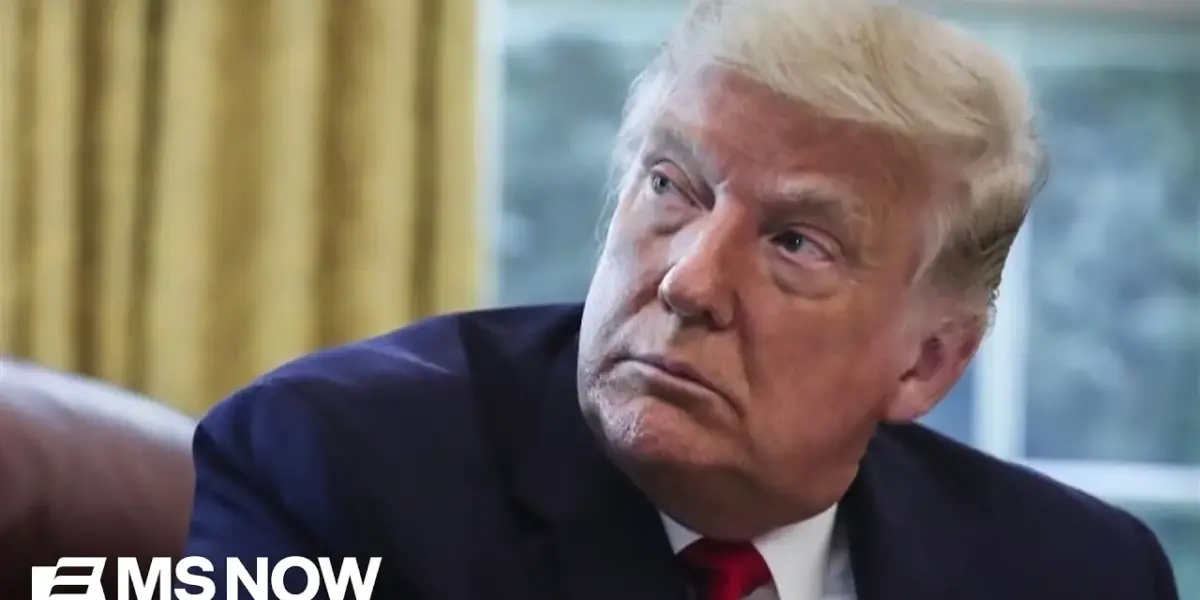
Trump Administration’s Rationale for Iran Conflict Under Scrutiny
The Trump administration is facing mounting questions regarding the justifications for its military actions against Iran, as the economic consequences begin to ripple through American households and businesses. Reports suggest that the rationale for initiating conflict is inconsistent and lacking solid evidence, while the economic fallout, including potential spikes in fuel prices and increased costs for goods, was arguably foreseeable.
Economic Hazards Loom as Gas Prices Surge
The economic ramifications of the conflict are already becoming apparent. The New York Times highlighted concerns that “Trump’s war becomes the latest economic hazard,” with fuel prices potentially soaring and remaining elevated for months. This, in turn, could lead to more expensive groceries and other shipped goods, potentially forcing consumers and businesses to reduce spending and constraining economic growth. According to AAA, the average price of a gallon of gas nationwide reached nearly $3.48 on Monday, a significant 16% increase from the previous week.
Experts noted that the administration’s actions seem to disregard the potential impact on American consumers. “The idea that there was any thought into this or any effort to protect Americans from the impact of this war of his choosing is foolish,” one analyst commented, recalling past policies that targeted clean energy and gas alternative programs.
Advisory Dynamics Shift in Second Trump Term
A stark contrast has emerged in the advisory structure surrounding President Trump between his first and second terms. In his initial presidency, Trump was surrounded by more conventional, establishment figures such as Jim Mattis, H.R. McMaster, and John Kelly, who were often referred to as “guardrails” attempting to temper his impulses and explain potential unintended consequences. This term, however, appears to feature advisors who are more inclined to agree with and enable the President’s decisions, rather than challenge them.
“In this second Trump term, it’s clear that he has advisors around him who say yes and are not there to challenge him, but to enable him,” an observer stated. This shift suggests a greater willingness to proceed with actions without fully vetting or mitigating potential negative outcomes, as evidenced by the administration’s approach to the Iran conflict.
Questionable Basis for Military Action: The Tehran Research Reactor
Further undermining the administration’s case is reporting that questions the central justification for the military strikes: Iran’s Tehran Research Reactor. According to MSNOW, nuclear experts and non-proliferation specialists have stated that the reactor, built by the U.S. and used for civilian research for six decades, lacks the capacity to be a conduit for developing nuclear weapons. The administration has reportedly provided no evidence to support its claims that the facility was being used for such purposes.
“The rationale is still all over the place,” commented one analyst regarding the administration’s justifications. “Especially in terms of the saying that there was an imminent threat from Iran, there was no imminent threat from Iran, either conventional or are nuclear.”
Infatuation with Presidential Power and Strategic Miscalculations
There is speculation that President Trump, emboldened by what he perceives as successful, surgical military operations like the one in Venezuela, may have underestimated the complexity of engaging with Iran. This could have led him to believe that military power could be flexed more easily than anticipated, dismissing warnings as exaggerated.
“Donald Trump is infatuated with what he sees as the imperial powers of the presidency. The fact that Donald Trump is the commander in chief of the world’s most powerful army is really quite frightening. And he wanted to exercise that in a way that he thought was going to just make him look good. But I think increasingly, he realizes that he’s in a bit of a bind here and will find a way out.”
The disconnect between military prowess and strategic outcomes is a recurring theme. While the U.S. military has demonstrated extraordinary capabilities, the ability to achieve desired strategic goals, particularly in complex geopolitical environments like Iran, remains a significant challenge. Historical precedents in Afghanistan and Iraq serve as stark reminders that battlefield successes do not automatically translate into political or strategic victories.
A Pattern of Testing Limits
The approach to the Iran conflict appears to be part of a broader pattern within the Trump administration of testing limits and asserting power across various sectors. From business dealings to foreign policy, there’s a perceived inclination to push boundaries and see how far the administration can go.
Looking Ahead: Shifting Objectives and Accountability
As the situation evolves, attention will be on whether President Trump will address the nation and how he might adjust his narrative. Speculation suggests he may shift not only the rationale but also the stated objectives of the operation, potentially claiming imminent victory. Furthermore, questions of accountability for the decisions leading to this point, especially given the potential economic repercussions and the questioned justifications, are likely to persist.
Source: ‘The rational is still all over the place’: Trump Administration struggling to justify Iran war (YouTube)

Related Articles

Russia’s War Machine Falters: Ukraine’s Durable Defense Stuns Kremlin
New analysis reveals Russia's offensive is struggling, with minimal territorial gains at immense cost. Ukraine's defense proves durable, marked by localized counterattacks and a growing technological edge. Domestic Russian support for the war also hits an all-time low, painting a grim picture for the Kremlin.
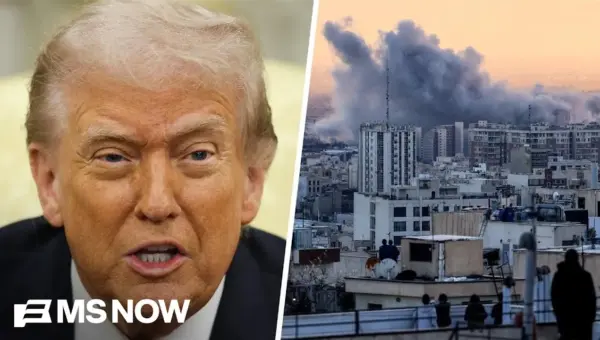
Iran’s New Leader Signals Hardline Continuity, Analysts Warn
Iran's recent leadership change signals a hardline continuity, raising concerns about accelerated nuclear ambitions and regional instability. Analysts warn the economic and strategic costs of the ongoing conflict far outweigh any potential benefits, drawing parallels to historical strategic blunders.
Trump’s Iran War Sparks Oil Surge, Economic Crisis
President Trump's military actions in Iran have triggered a severe energy crisis, sending oil prices over $100 a barrel and disrupting global markets. The conflict has also resulted in U.S. service member casualties, raising concerns about a potential escalation and long-term economic instability.