Russia’s War Machine Falters: Ukraine’s Durable Defense Stuns Kremlin
New analysis reveals Russia's offensive is struggling, with minimal territorial gains at immense cost. Ukraine's defense proves durable, marked by localized counterattacks and a growing technological edge. Domestic Russian support for the war also hits an all-time low, painting a grim picture for the Kremlin.

Russia’s War Machine Falters: Ukraine’s Durable Defense Stuns Kremlin
Recent analyses and polling data paint a stark picture of Russia’s faltering offensive in Ukraine. Contrary to Kremlin narratives of progress, new assessments indicate that Russian territorial gains are minimal, achieved at staggering human cost, and that domestic support for the war is at an all-time low. This evolving situation suggests a critical inflection point in the conflict, where Ukraine’s resilient defense is not only holding but also initiating localized counterattacks, while Russia faces mounting internal and external pressures.
Territorial Grabs and Staggering Losses
A new analysis, highlighted by the Washington Post, reveals that Russian forces currently occupy 19.4% of Ukrainian territory, a figure that peaked at just under 27% in 2022. Following Ukraine’s counteroffensive, this figure receded to 17.9%. Over the past three and a half years, Russia has managed to seize only an additional 1.5% of Ukrainian land, an area smaller than Lebanon or Los Angeles County. This slow crawl of conquest has come at a devastating cost, with total Russian casualties exceeding one million. The analysis starkly puts it: “Russia has needed three and a half years to seize 9,318 km… Putin’s march to victory has been proceeding… more slowly than at a snail’s pace. It is slower than World War I standards on the Western Front.” This highlights a significant disconnect between Russian propaganda, which often focuses on territorial control as a measure of success, and the grim reality on the ground.
Ukraine’s Localized Counteroffensives Gain Traction
While Russia struggles to advance, Ukrainian forces have demonstrated remarkable resilience and adaptability. Not only have they effectively blunted Russian advances, but they have also begun to push back through localized counterattacks since last autumn. The liberation of the town of Kubian in Kharkiv Oblast and the retaking of tactically important positions in Zaporizhzhia are testaments to this shift. In fact, Ukrainian forces have made net daily gains more frequently over the past six months than in the preceding nine. Russian weekly gains this year remain below their 2023 peaks, with Ukraine even liberating more land than Russian forces seized in the last two weeks of February.
These counterattacks are often highly targeted operations aimed at straightening defensive lines and eliminating Russian incursions. For instance, units of Ukraine’s Main Intelligence Directorate (GUR) recently announced success in halting an enemy offensive in Zaporizhzhia. Their complex defensive operation disrupted Russian plans, preventing advances towards the regional center. During these actions, GUR special forces eliminated over 300 Russian soldiers and captured 39, systematically limiting Russian logistical capabilities through precise drone and artillery strikes. This allowed Ukrainian forces to stabilize their defense and secure key positions.
Shifting Confidence and Evolving Tactics
Interviews with Ukrainian commanders reveal a palpable increase in confidence. Compared to last year, when concerns about renewed Russian advances were prevalent, commanders now feel more assured of their ability to hold Russian forces at bay. They rightly point out that most Russian territorial gains have been in open fields and small villages, rather than significant cities or fortified positions. The struggle for the town of Vuhledar, which Russia had targeted extensively, exemplifies this. Despite being a key objective, its northern area remains heavily contested, underscoring the high cost and limited success of Russian assaults.
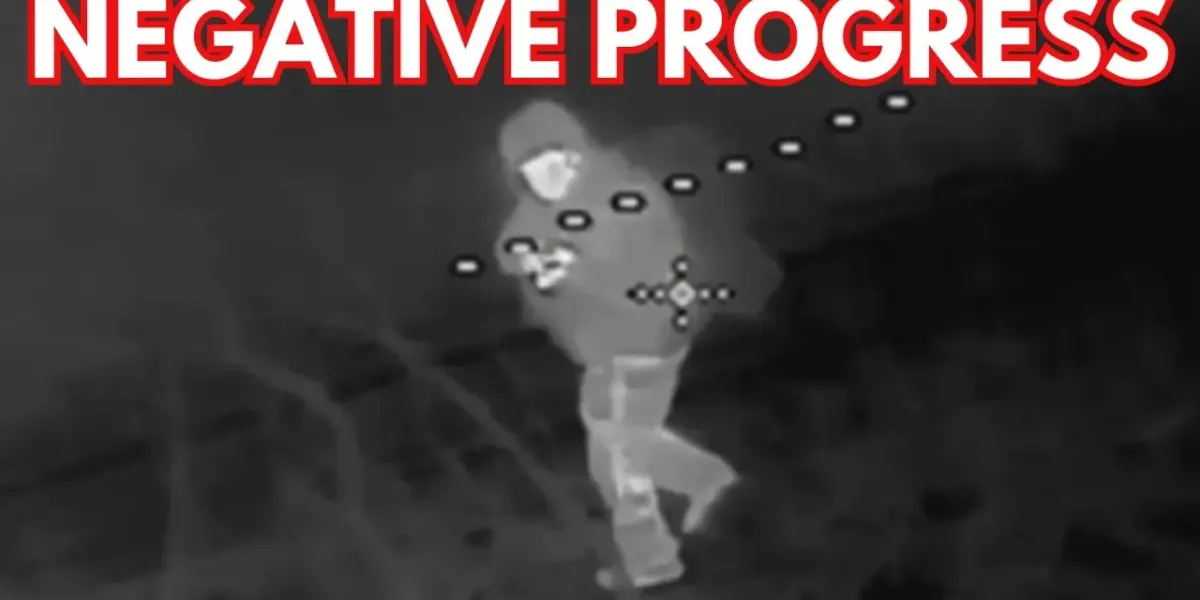
Recent Russian tactics have also come under scrutiny. After a period of relying on dismounted and ATV assaults, which are difficult to detect but costly in manpower, Russia appears to be returning to armored assaults. However, these have proven vulnerable. Footage from the 225th Assault Brigade shows Ukrainian forces effectively destroying Russian tanks and armored personnel carriers using coordinated drone and artillery strikes. The visibility of armored vehicles makes them high-value targets, easily swarmed by multiple Ukrainian units, leading to rapid destruction. This suggests that Russia’s tactical shifts are not necessarily translating into strategic success.
Ukraine’s Technological Edge and Long-Range Strikes
Ukraine’s defense has been significantly bolstered by its evolving technological capabilities. The army has perfected its “wall of drones,” a sophisticated system that effectively negates Russia’s manpower advantage. Furthermore, Ukraine has embarked on a significant long-range strike campaign, utilizing both drones and domestically produced cruise missiles. These capabilities are increasingly deployed to disrupt Russian offensive efforts before they even reach the front lines. The recent attack on the Donetsk International Airport, used by Russia to store and launch Shahed drones, demonstrates this strategy. The strike, reportedly involving ATACMS and Storm Shadow/SCALP missiles, caused significant damage, destroying numerous drones and likely incapacitating the facility for a period.
The increasing range of Ukrainian munitions is notable. What was once considered long-range is now mid-range, with drone strikes reaching 20-30 km, a distance many artillery systems cannot match. Ukraine is effectively leveraging these capabilities to hit targets deep within Russian-occupied territory and even Russia itself, disrupting logistics and command centers. The ongoing fundraising efforts for medium-range strike drones, such as the Lightning drones for the 26th Artillery Brigade, underscore the critical need for these systems in Ukraine’s evolving defense strategy.
Domestic Russian Support Wanes Amidst Distractions
Adding to Russia’s challenges, domestic support for the war appears to be at an all-time low. According to recent polling data from the Levada Center, a majority of Russians (67%) believe peace negotiations are now necessary, a six-percentage-point increase from the previous month. Conversely, only 24% believe military action should continue, an all-time low. While polls in Russia are inherently complex and potentially influenced by government pressure, the trend is undeniable. The gap between those favoring negotiations and those favoring continued fighting has widened dramatically from -4% to -43%.
However, the same poll reveals a concerning lack of engagement among the Russian populace, with 56% reporting they are not paying attention to the war at all. This apathy, coupled with strong support for the military (72% support the actions of the military), suggests a complex internal dynamic. While Russians may not actively support the war, they may also not actively oppose it or the troops fighting it. Younger generations and those relying on non-traditional media sources like YouTube are less likely to support the war, indicating a potential shift in public opinion over time.
Meanwhile, global attention is somewhat diverted by escalating tensions in the Middle East. Russia’s provision of intelligence on American troops to Iran, while an open secret, is particularly concerning given recent US casualties. This geopolitical maneuvering, combined with the US temporarily easing sanctions on Russia to allow Indian oil imports amidst Middle East tensions, presents a mixed signal. While intended to stabilize global markets, these actions can be seen as inadvertently easing pressure on Russia’s war economy.
Why This Matters
The data presented indicates a significant shift in the war’s momentum. Russia’s offensive is demonstrably struggling, characterized by slow progress, immense casualties, and waning domestic support. Ukraine, conversely, is showcasing a durable defense, innovative tactical adaptations, and a growing technological edge, particularly in drone warfare and long-range strikes. The current trajectory suggests that Russia’s ability to sustain its campaign is increasingly questionable, especially when confronted with Ukraine’s fortified defensive lines and strategic strikes. The prolonged nature of the conflict, with some analyses estimating years for Russia to take remaining territories, highlights the unsustainable cost of its current strategy.
Implications, Trends, and Future Outlook
The struggling Russian offensive implies a potential stalemate or even a gradual Ukrainian advantage if current trends continue. The reliance on costly, slow advances is unsustainable for Russia, especially with mounting casualties and potential domestic dissent. Ukraine’s focus on technological superiority, particularly in drone warfare and precision strikes, is a key trend that could define future battlefield dynamics. The international community’s role remains critical. While geopolitical distractions and nuanced sanction policies create complexities, sustained support for Ukraine is essential to prevent Russia from achieving its objectives and to encourage a path towards a just peace.
Historical Context and Background
The current phase of the war echoes historical patterns of attrition warfare, reminiscent of World War I’s Western Front, where incremental gains came at horrific human cost. Russia’s current strategy of grinding advances, despite technological advancements, appears to be falling into a similar trap. Ukraine’s resilience, however, draws parallels with historical instances of determined defense against larger aggressor forces, often bolstered by crucial external support and innovative tactics. The effectiveness of drone warfare, a relatively new element in large-scale conflict, is rapidly evolving, promising to reshape military doctrine and battlefield outcomes for years to come.
Source: Russia's Offensive is Struggling (YouTube)

Related Articles

Iran’s New Leader Signals Hardline Continuity, Analysts Warn
Iran's recent leadership change signals a hardline continuity, raising concerns about accelerated nuclear ambitions and regional instability. Analysts warn the economic and strategic costs of the ongoing conflict far outweigh any potential benefits, drawing parallels to historical strategic blunders.


Trump Weighs Oil Price Options Amid Iran War Disruptions
President Trump is exploring options to mitigate rising oil prices amidst the escalating conflict with Iran. Following the President's comments suggesting the war is nearing completion, crude oil prices saw a significant drop, though gasoline prices remain elevated for consumers. The White House is prioritizing strategies to stabilize energy markets and address economic concerns.


Kharg Island: Trump’s Secret Weapon to Cripple Iran’s Economy?
Kharg Island, Iran's primary oil export hub, could be a key target for U.S. pressure, potentially crippling the nation's economy. Despite historical considerations and immense strategic value, seizing the island presents significant military risks and the possibility of sabotage by a desperate Iranian regime.