NATO Confirms Downing Second Iranian Missile Over Turkey
NATO confirmed it intercepted a second Iranian ballistic missile over Turkey, raising regional tensions. Turkey vows decisive action but seeks to avoid direct conflict with Iran, prioritizing diplomatic solutions amidst economic pressures.

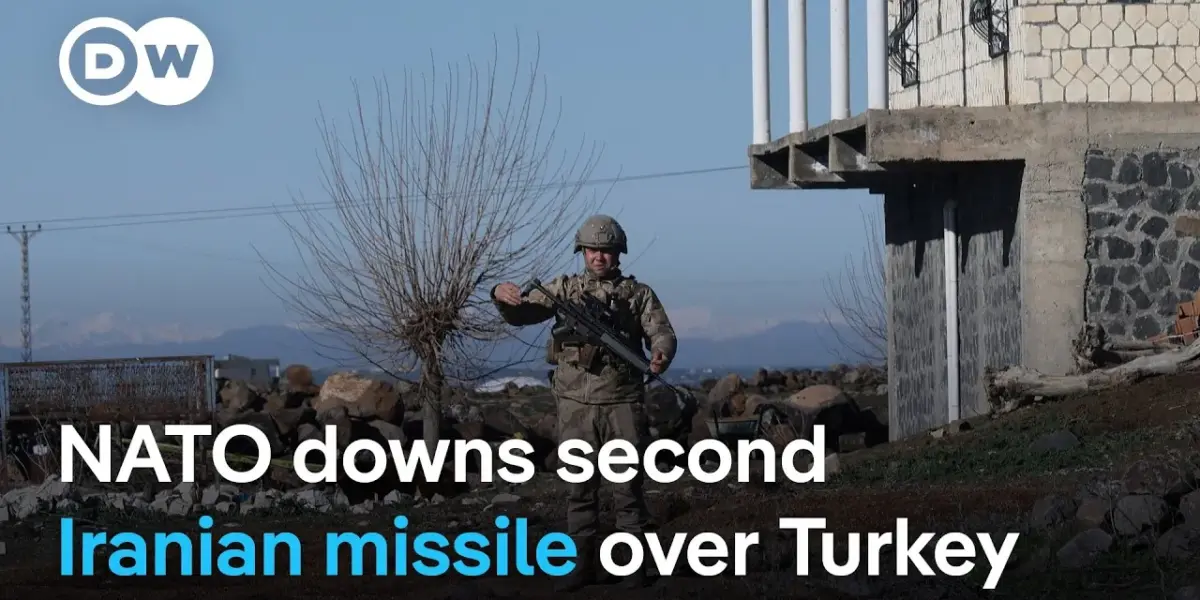
NATO Intervenes as Iranian Missile Threatens Turkish Airspace
NATO confirmed on Tuesday that its defenses shot down a second ballistic missile fired from Iran over Turkish territory. Fragments of the projectile landed near a construction site in southern Turkey, though no injuries or damage have been reported. The incident marks a significant escalation, raising concerns about the potential for the ongoing regional conflict to draw in NATO member states.
Turkey’s Response and Strategic Concerns
Following the incident, the Turkish Ministry of Foreign Affairs issued a strong statement, declaring that “all means will be used decisively to protect Turkish territory.” Turkey boasts NATO’s second-largest army, supported by a substantial air force and advanced drone capabilities. However, Ankara is reportedly wary of direct military confrontation with Iran, seeking to avoid further entanglement in the escalating regional hostilities.
The Turkish government is acutely aware of the economic pressures already impacting the nation, with oil prices exceeding $100 a barrel, fueling fears of a potential currency crisis. A military conflict with Iran would undoubtedly exacerbate these financial vulnerabilities. A key factor influencing Ankara’s decision-making is whether this second missile strike, occurring less than a week after the first, signifies a new Iranian strategy targeting Turkey. For now, Turkey is expected to intensify diplomatic pressure on Tehran to cease its missile launches.
“All means will be used decisively to protect Turkish territory.” – Turkish Ministry of Foreign Affairs statement
Plausibility of Accidental Strikes and Decentralized Command
Iran has denied any intention of attacking Turkey. However, questions linger regarding the plausibility of ballistic missiles, potentially intended for targets such as a British military base on Cyprus, entering Turkish airspace twice by mistake. One theory suggests that these strikes may have been carried out by local commanders within Iran.
Since recent Israeli-American airstrikes that reportedly led to the decapitation of several Iranian military leaders, Iran has implemented what it terms a “mosaic defense doctrine.” This strategy involves significant decentralization of command and control to local commanders on the ground. The fact that only single missile strikes, each approximately 200 kilometers from the crucial İncirlik Air Base—a base hosting a significant American military presence—have been aimed at Turkey lends credence to the possibility of actions by individual commanders. Analysts believe that a deliberate attack on İncirlik by Tehran would likely involve a sustained barrage of missiles and drones, similar to tactics employed against its Arab neighbors, to overcome the base’s formidable air defenses.
NATO’s Role and Article 5 Implications
The repeated missile incidents over Turkey, a NATO member, have heightened concerns about the alliance being drawn into the wider conflict. Under Article 5 of the NATO charter, an attack on one member is considered an attack on all, potentially compelling NATO to defend Turkey. However, Turkey has expressed a strong desire to remain neutral and has even refrained from allowing American aircraft to use its airspace for operations against Iran.
While invoking Article 5 remains a remote possibility, Turkey might instead opt to invoke Article 4, which would prompt a meeting of NATO leaders to discuss measures to assist Ankara. It is also possible that Turkey could request the deployment of U.S. Patriot missile systems to bolster its air defenses. Nevertheless, Turkey appears highly reluctant to allow its territory to be used as a platform for NATO forces to engage in hostilities with Iran, a step considered significant and unlikely by observers.
Diplomatic Efforts Amidst Escalating Tensions
Turkish President Recep Tayyip Erdoğan has emphasized his commitment to keeping the country out of the conflict. However, if missile attacks on Turkey persist or escalate in number, and if critical infrastructure like the NATO radar base in Kürecik—operated by American forces and serving as a vital intelligence-gathering post on Iran—were to become a target, pressure on Turkey to take a more assertive stance would inevitably mount.
President Erdoğan has prioritized seeking a diplomatic resolution. In the lead-up to the current conflict, Istanbul hosted a meeting with Iranian Foreign Minister Mohammad Javad Zarif. Turkey has previously criticized Iran for sidelining its diplomatic efforts in favor of discussions held in Oman, aimed at de-escalating the confrontation. Turkish Foreign Minister Mevlüt Çavuşoğlu has stated that Iran bears significant blame for not taking Turkish mediation efforts seriously.
Despite these challenges, President Erdoğan is intensifying his diplomatic outreach, engaging in constant dialogue with regional leaders. He also maintains communication with U.S. President Donald Trump. Whether these diplomatic endeavors will ultimately lead to an end to the conflict remains uncertain. The overarching message from Ankara is a clear preference for a diplomatic solution over further escalation of the war.
Looking Ahead
The coming days will be crucial in determining Turkey’s next steps and the broader regional implications. Continued missile strikes from Iran, coupled with the international community’s response, will shape NATO’s posture and the potential for de-escalation. All eyes will be on Ankara’s diplomatic initiatives and its readiness to invoke collective defense measures if its security is further jeopardized.
Source: NATO confirms it shot down second Iranian missile over Turkey | DW News (YouTube)

Related Articles


Trump Eyes Iran Conflict for Global Oil Control
Political analyst Stanislav Bilovski suggests a potential U.S. military operation against Iran could be a strategic move by Donald Trump to control global oil markets and achieve domestic political goals. While Iran possesses regional resilience, its isolation and Russia's limited capacity to intervene paint a complex geopolitical picture. The outcome hinges on various factors, including the conflict's duration and potential U.S. domestic political maneuvers.


Iran: The Geopolitical Lever in the US-China Tech Race
Geopolitical insights reveal Iran's pivotal role in the US-China tech race, acting as a lever that challenges China's influence. A historical memo outlining targeted countries underscores the strategic depth of this competition.
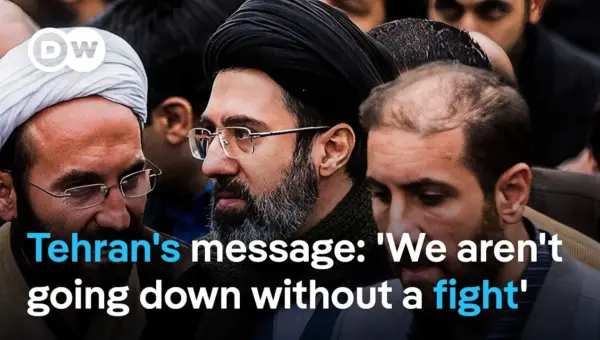
Iran Appoints Hardliner’s Son as New Supreme Leader
Iran has appointed Mojtaba Khamenei, son of the former Supreme Leader, as its new spiritual and political leader. The move is seen as a message of defiance to adversaries and signals continuity in hardline policies, though it raises concerns about hereditary rule and dims hopes for internal reform.