New Balance Surges as Nike Stumbles: A Market Share Shift
New Balance has reported a remarkable 19% increase in sales to $9.2 billion, marking its fifth consecutive year of double-digit growth. This surge comes as Nike faces challenges, with New Balance capitalizing on retail shelf space and aligning with key fashion trends to capture significant market share.

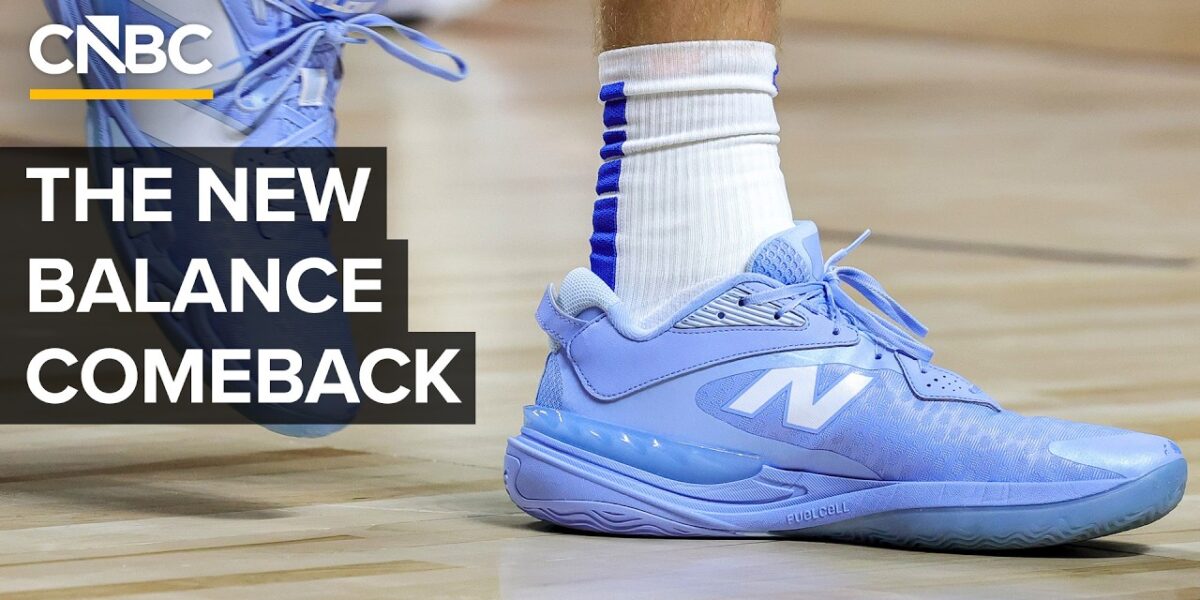
New Balance Posts Impressive 19% Sales Growth, Overtaking Competitors
In a significant shift within the athletic footwear market, New Balance has reported a robust 19% surge in sales for 2025, reaching a total of $9.2 billion. This marks the fifth consecutive year of double-digit sales growth for the venerable 120-year-old brand.
This impressive performance stands in stark contrast to the struggles faced by industry giants like Nike, highlighting a notable redistribution of market share. The overall sneaker market has shown signs of sluggishness, making New Balance’s consistent expansion even more remarkable and indicative of its ability to capture market share from rivals.
Nike’s Direct-to-Consumer (DTC) Strategy Leaves Retail Openings
A key factor contributing to New Balance’s ascendancy appears to be Nike’s strategic pivot towards a Direct-to-Consumer (DTC) model. By prioritizing sales through its own stores and online channels, Nike significantly reduced its presence at critical wholesale retailers such as Macy’s, Foot Locker, and Dick’s Sporting Goods.
This created substantial shelf space vacancies, which New Balance astutely capitalized on. The availability of prime retail real estate allowed New Balance to increase its visibility and accessibility to a broader consumer base, presenting a significant market share opportunity.
Innovation and Trend Alignment Drive New Balance’s Appeal
Beyond leveraging competitor missteps, New Balance has also made substantial investments in product innovation. This focus on new designs and technologies has resonated with consumers at a time when some competitors have been perceived as lagging. New Balance has masterfully tapped into prevailing cultural trends.
The resurgence of 1990s fashion, particularly the embrace of chunky, retro-inspired, and the so-called “dad shoe” aesthetic, perfectly aligned with New Balance’s established style. The brand effectively integrated these trends, amplified by their popularity on platforms like TikTok, into its product offerings. Their strategy to position themselves at the intersection of fashion, music, and athletics, while maintaining authenticity, has cultivated significant energy and appeal, particularly among younger demographics.
Strategic Collaborations Boost Brand Cachet
New Balance’s success has also been strengthened by strategic collaborations with prominent designers and streetwear brands. These partnerships have generated considerable buzz and captured the attention of fashion-forward consumers, further enhancing the brand’s cool factor and desirability among younger shoppers. By aligning with influential figures and labels in the fashion and culture space, New Balance has effectively revitalized its image and positioned itself as a relevant and aspirational brand.
Private Ownership Offers Strategic Flexibility
Unlike many of its public competitors, New Balance operates as a private company. This structure affords the company a degree of strategic flexibility, allowing it to focus on long-term growth without the quarterly pressures often faced by publicly traded entities.
The company provides a high-level business update annually, and sources indicate no immediate plans to pursue an Initial Public Offering (IPO). This suggests a strong financial position and a lack of immediate need for external capital, or a desire by its ownership to avoid an exit strategy typical of private equity or hedge fund involvement.
New Balance’s Evolving DTC Approach
Looking ahead, New Balance intends to further develop its Direct-to-Consumer (DTC) channels, including its own website and retail stores. This might seem counterintuitive given Nike’s challenges with its DTC focus. However, New Balance’s CEO has articulated a nuanced approach, emphasizing that their DTC efforts complement, rather than replace, their wholesale partnerships.
The company views its direct interaction with consumers as a vital source of real-time market intelligence, enabling them to identify emerging trends and consumer preferences more effectively. This direct engagement, they believe, ultimately makes them a stronger and more informed partner to their wholesale accounts.
Future Outlook and Growth Trajectory
With a stated goal of achieving $10 billion in annual sales, New Balance is well-positioned to surpass this milestone. If the company maintains its current growth trajectory, it could achieve this target as early as the end of the current year.
The brand’s ability to consistently grow sales at a double-digit rate, coupled with its strategic market positioning and strong brand appeal, suggests a continued upward momentum. This sustained performance indicates that New Balance is not merely experiencing a temporary upswing but is fundamentally reshaping its competitive standing in the global athletic footwear market.
Market Impact
New Balance’s impressive growth and market share gains signal a significant disruption in the athletic footwear industry. The success of its strategy, which combines leveraging competitor weaknesses, investing in innovation, aligning with cultural trends, and building strong brand collaborations, offers a compelling case study for other companies navigating a dynamic consumer landscape. The shift also highlights the evolving nature of consumer loyalty, demonstrating a willingness among shoppers to switch brands if their preferences and needs are not met.
What Investors Should Know
- Market Share Dynamics: New Balance is actively gaining market share, particularly from brands that have reduced their wholesale presence.
- Consumer Preferences: Consumers are demonstrating flexibility in brand loyalty, prioritizing product relevance and style over historical allegiance.
- Innovation and Trends: Successful brands are those that invest in innovation and effectively tap into current fashion and cultural trends.
- Strategic Flexibility: Private ownership can provide companies with the agility to pursue long-term strategies without short-term market pressures.
- DTC vs. Wholesale: A balanced approach to Direct-to-Consumer sales, complementing wholesale partnerships, can be a viable strategy for sustained growth and market insight.
Source: Why New Balance sales are soaring while Nike falls (YouTube)

Related Articles


Minivan Market Ticks Up: Chrysler Sees ‘Resurgence’
Minivans are showing a steady rise in market share, climbing to 2.4% in 2025. Chrysler highlights this trend as a 'resurgence,' driven by practicality, value, and strong resale. Analysts note improved market conditions and quick sales, suggesting a sustainable niche for these family vehicles.


Bed Bath & Beyond Aims for Home Domination Post-Bankruptcy
Bed Bath & Beyond is making a significant comeback post-bankruptcy, aiming to become a one-stop shop for all home needs. The company plans to open 300 new stores and is integrating brands like Kirkland's and The Container Store to create a comprehensive home ecosystem.


Minivans Surge as Families Seek Value and Space
Minivans are experiencing a significant comeback, with sales up 21% last year. This resurgence is driven by a marketing shift to lifestyle branding, updated designs, and, crucially, affordability compared to SUVs. Middle-aged men are leading the trend, appreciating the practicality and value offered by these family vehicles.