Cem Özdemir’s Historic Rise: Germany’s First State Premier with Migrant Roots
Cem Özdemir, son of Turkish immigrants, is set to become Germany's first state premier with migrant roots. His historic rise reflects the nation's evolving identity and Özdemir's pragmatic approach to politics, balancing integration with policy implementation.

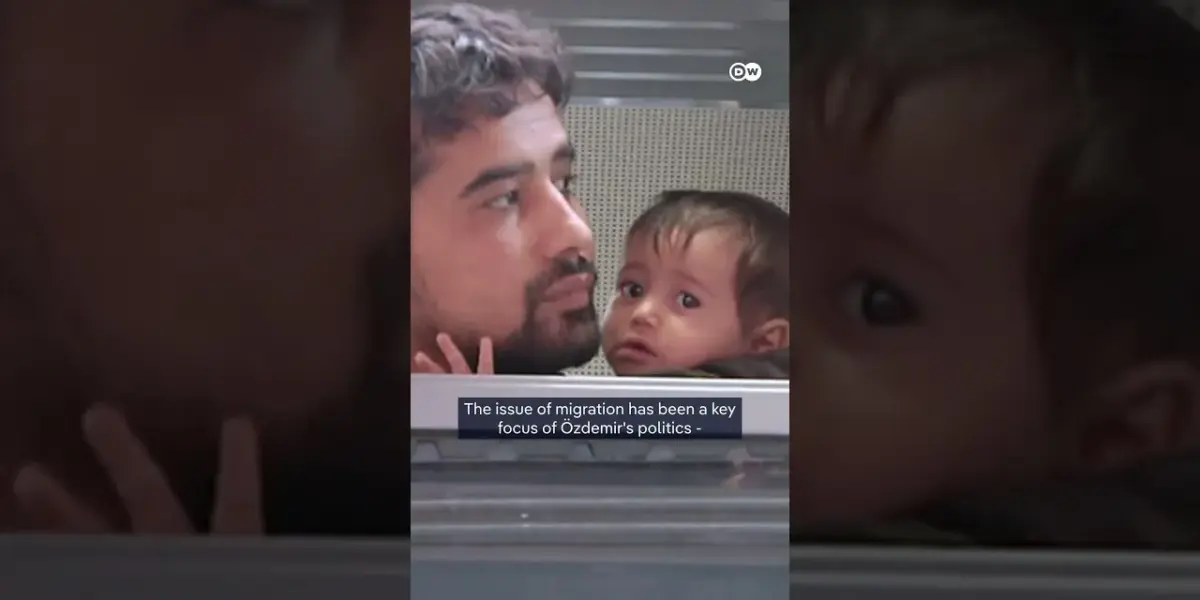
Özdemir Poised to Make History as Germany’s First State Premier with Migrant Background
Berlin, Germany – Cem Özdemir, a prominent figure in German politics, is on the cusp of achieving a historic milestone: becoming the first state premier with immigrant roots in Germany. His potential ascent to the top executive office in a German state marks an unprecedented chapter in the nation’s political landscape, reflecting a significant evolution in its integration and representation narratives. Özdemir, born in the Swabian city of Bad Urach, is the son of Turkish immigrants who arrived in Germany during the 1960s. His father worked in the textile industry as part of the ‘guest worker’ program, a stark contrast to his son’s current trajectory towards the highest echelons of German governance.
A Political Journey Forged in Diversity and Pragmatism
Özdemir’s political career is marked by a series of high-profile roles and a consistent engagement with issues of migration and integration. He first entered the Bundestag, Germany’s federal parliament, in 1994. His political acumen and dedication soon saw him serve in the European Parliament for five years, followed by a significant period as co-leader of the Green Party. Under Chancellor Olaf Scholz, Özdemir held key ministerial positions, first as Minister for Food and Agriculture and subsequently as Minister for Education and Research, demonstrating a broad portfolio of expertise.
His political philosophy often navigates a path between progressive ideals and pragmatic implementation. The issue of migration has been a central theme throughout his career. During the 2015 refugee crisis, when a large influx of people arrived in Germany from Syria, Özdemir advocated for a dual approach: immediate humanitarian aid and support for integration, coupled with a call for European solidarity. “We have to do two things,” he stated, emphasizing the need to “help the people here. Make sure that they can work as soon as possible. Make sure that they learn German as soon as possible.” He also stressed the importance of dialogue with European partners, acknowledging the shared responsibility.
Navigating Party Lines and Policy Debates
Özdemir’s stance on integration, while pushing for openness, also demanded readiness from newcomers to adapt. This balanced approach occasionally placed him at odds with segments of his own Green Party, who sometimes perceived his views as too stringent. Similarly, his willingness to engage with industry concerns, particularly regarding the automotive sector’s worries about environmental regulations, has drawn criticism from some within the party’s more environmentally purist base. Özdemir, however, has consistently argued for the necessity of collaboration between politics and business, viewing it as essential for effective governance and policy-making.
Despite these internal party dynamics, Özdemir has also championed policies that resonate with the Green Party’s grassroots. A notable example is his significant push for the controlled legalization of cannabis, a policy that was enacted into law during his tenure as Agriculture Minister. This achievement underscores his ability to translate progressive ideas into tangible legislative outcomes.
A Symbol of Modern Germany
Described as a “moderate Green,” a vegetarian, a keen cyclist, and a self-proclaimed “Swabian Anatolian,” Cem Özdemir embodies a modern, multifaceted German identity. His potential appointment as state premier is more than just a personal achievement; it symbolizes the changing face of Germany and its increasing embrace of diversity at the highest levels of power. His journey from the son of Turkish ‘guest workers’ to a leading political figure, and now potentially a state premier, offers a powerful narrative of integration, opportunity, and the evolving definition of German leadership.
Looking Ahead
As Özdemir’s political future unfolds, his tenure as state premier, should it materialize, will be closely watched. His ability to bridge diverse perspectives, implement policy effectively, and continue to represent the evolving demographics of Germany will be key. Observers will be keen to see how he shapes regional policy, navigates political challenges, and continues to serve as an influential voice in German and European politics, potentially paving the way for future leaders from similar backgrounds.
Source: Cem Özdemir's journey to (likely) become Germany's first state premier with migrant roots | DW Bnews (YouTube)

Related Articles

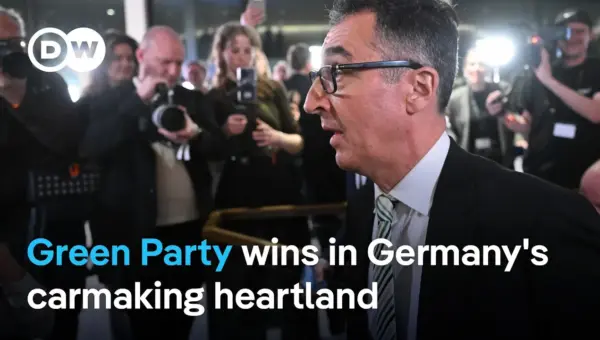
Greens Surge in Baden-Württemberg, Stunning Conservatives
The Green Party has achieved a significant victory in the German state of Baden-Württemberg, narrowly defeating Chancellor Merz's CDU and potentially installing Cem Özdemir, the first state premier of Turkish heritage. The election also saw the far-right AfD continue its rise.

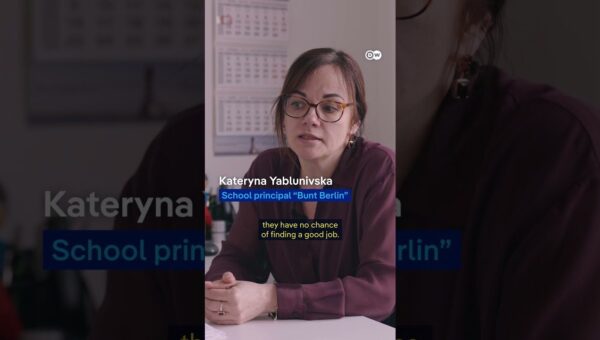
Germany Slashes Free German Courses, Sparking Integration Fears
Germany's decision to cut funding for free integration courses is raising alarms about migrant integration and social cohesion. The government cites cost savings, but critics fear long-term social and economic consequences as language learning becomes a financial hurdle for many newcomers.


Ohio’s Housing Market: Affordability Fuels Migration Surge
Ohio is experiencing a notable migration surge, driven by its exceptional housing affordability and a burgeoning tech sector dubbed the 'Silicon Heartland.' This shift is reversing decades of out-migration and presents new dynamics for buyers and investors.