Trump’s Veteran Policies Slash Services, Experts Warn
Analysis reveals the Trump administration implemented significant cuts to the VA, reducing staff, impacting veteran employment, and undermining suicide prevention efforts. These actions contradict public statements of support for veterans, raising concerns about their long-term well-being and access to essential services.

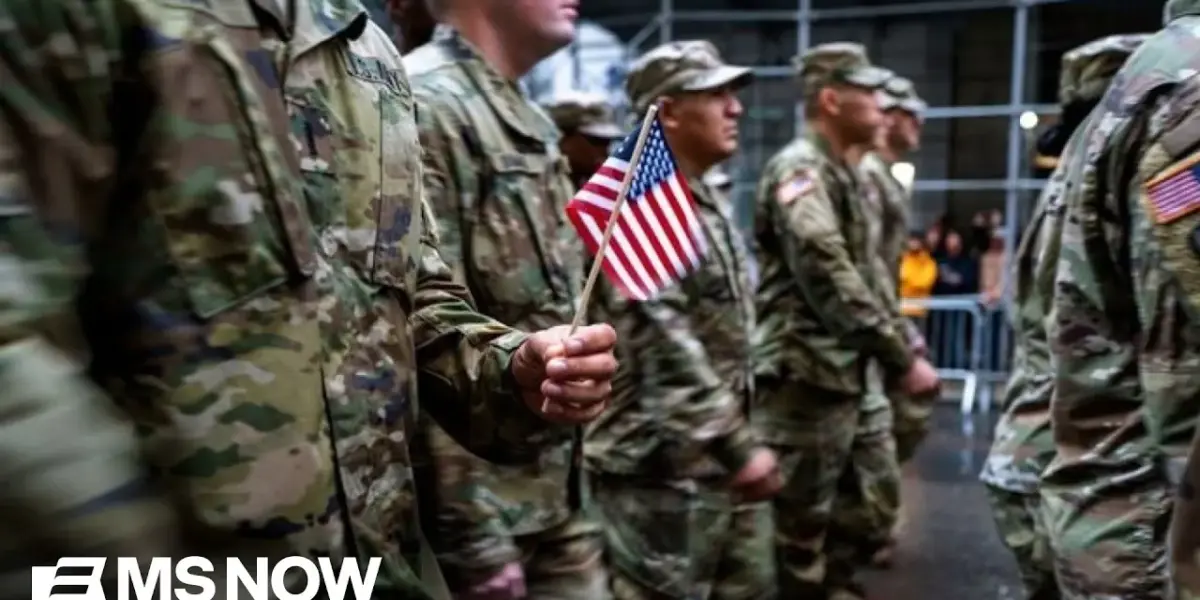
Trump Administration Cuts Cripple Veteran Support Systems
Despite repeated declarations of love and support for American troops and veterans, the Trump administration has overseen significant reductions in services and staffing at the Department of Veterans Affairs (VA), leaving thousands of veterans without essential care and opportunities, according to recent analyses. These cuts, impacting healthcare, employment, and crisis support, have drawn sharp criticism from advocates and lawmakers who argue that the administration’s actions betray its rhetoric.
Massive Staff Reductions at VA
The VA experienced the largest one-year decline in its history under the Trump administration, with approximately 28,000 staffers cut. This figure includes the loss of 1,000 physicians and 3,000 nurses. Consequently, more than a million veterans lost their VA providers, exacerbating existing challenges in accessing timely and adequate healthcare.
“My administration will spare no effort or resource to support the men and the women who defend our nation,” President Trump stated, a sentiment echoed in various public addresses. However, the on-the-ground reality for many veterans paints a different picture, marked by reduced access to care and a strained support system.
Impact on Veteran Employment
The administration’s policies have also significantly affected veterans’ employment, particularly within the federal government. Historically, veterans have constituted about a third of the federal workforce. However, recent actions have led to the lowest number of federal employees who are veterans in over 15 years.
An estimated 62,000 veterans lost their federal jobs as part of broader workforce reductions. One veteran, identified as Jeremy by Politico, reported that his translation business collapsed after losing more than a dozen federal contracts. He and his wife have resorted to walking dogs to cover their expenses, a stark example of the economic fallout for veterans impacted by these policy changes.
Veteran Suicide Crisis Undermined
The crisis of veteran suicide, identified as the second leading cause of death for veterans under 45, has been a significant concern. On average, nearly 18 veterans die by suicide daily. The Veterans Crisis Line, established in 2007, has been a critical resource, fielding nearly 10 million calls and initiating over 400,000 dispatches to emergency services. Studies indicate that veterans are 11 times more likely to experience reduced suicidal urgency after speaking with a crisis line counselor.
“My administration is marshalling every resource to stop the crisis of veteran suicide and protect our nation’s most treasured heroes.”
— Donald Trump (as quoted in the transcript)
However, reports indicate that the Trump administration took steps that undermined these efforts. This included the firing of crisis line workers and public statements from the VA Secretary suggesting that too much money was being spent on suicide prevention. These actions have been described by critics as a political maneuver, offering platitudes without substantive action.
Broader Implications of Conflict and Policy
The article also touches upon the long-term consequences of recent military engagements, particularly the conflict with Iran. Experts warn that the current actions could lead to decades of repercussions, including increased healthcare needs for returning veterans suffering from physical and mental trauma.
“In the year 2055, veterans will walk into VA hospitals and they will be complaining of headaches, they will be complaining of back pain and shoulder pain and knee pain and, God forbid, things even worse that are a consequence of the conflicts we have seen over the last two weeks,” one analyst stated, highlighting the potential for long-term, costly health issues stemming from current conflicts and inadequate preparation.
Rethinking the VA’s Future
The discussion also explored the fundamental purpose and structure of the VA. While acknowledging past criticisms regarding bureaucracy and inefficiency, the current trend of drastic cuts is viewed as counterproductive. The VA is described not merely as a healthcare provider but as a sanctuary that understands the unique experiences of veterans.
“These institutions are not just places where you go to get a normal medical procedure. They’re sanctuaries for veterans. They understand the unique experiences and hardships that veterans have gone through,” one commentator explained. The alternative of privatizing the VA and providing all veterans with private health insurance was also discussed, with concerns raised that this approach would dismantle the specialized support system crucial for many veterans.
Advocacy and the Path Forward
Despite the challenges, voices of advocacy persist. Congressman Seth Moulton is highlighted as a significant proponent for veterans’ issues, particularly for his work on the crisis hotline. His combat experience in Iraq informs his commitment to supporting fellow veterans.
The article also noted the hypocrisy of some Republican veterans who advocate for veteran support while simultaneously pushing for cuts to the VA. The path forward, as suggested, requires a robust and genuine commitment to investing in veteran services, ensuring timely care, and fostering institutions that truly serve those who have defended the nation.
Looking Ahead
As the nation grapples with the long-term effects of its military engagements and the ongoing needs of its veteran population, the focus remains on whether policy will align with rhetoric. The sustainability and effectiveness of the VA system, particularly in light of recent service reductions and the escalating costs of ongoing conflicts, will be critical areas to monitor. The commitment to providing comprehensive care and support for veterans, from immediate crisis intervention to long-term health and employment needs, remains a paramount challenge.
Source: PRIMETIME FOCUS: The damage Trump has done to America’s veterans (YouTube)

Related Articles

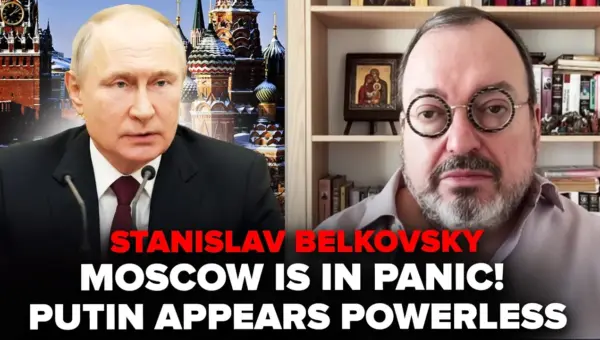
Trump Eyes Iran Conflict for Global Oil Control
Political analyst Stanislav Bilovski suggests a potential U.S. military operation against Iran could be a strategic move by Donald Trump to control global oil markets and achieve domestic political goals. While Iran possesses regional resilience, its isolation and Russia's limited capacity to intervene paint a complex geopolitical picture. The outcome hinges on various factors, including the conflict's duration and potential U.S. domestic political maneuvers.

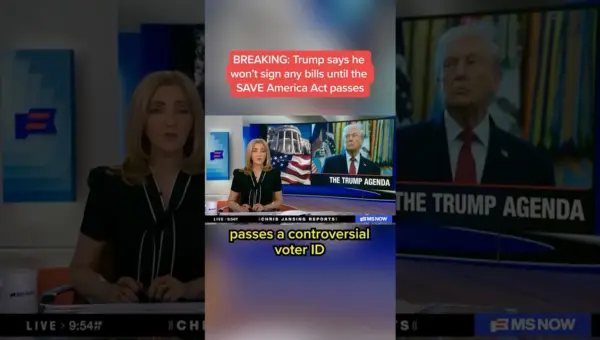
Trump Vows to Block Bills Until Border Security Act Passes
Former President Donald Trump has stated he will not sign any bills until the Safeguard American Voter Eligibility (SAVE) Act is passed. This demand places a significant condition on future legislative actions and highlights Trump's focus on election integrity and border security.
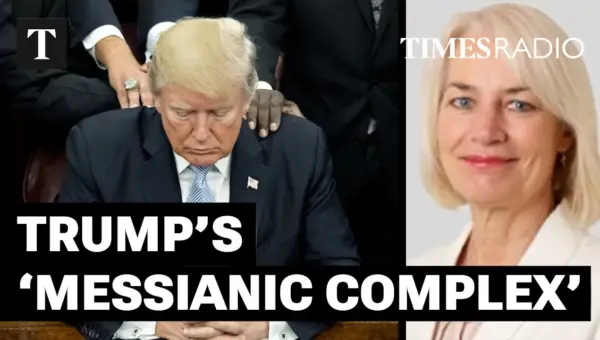
Trump’s ‘Messianic Complex’ Fuels Global Conflict, Analyst Says
Sarah Baxter, Director of the Marie Culvin Center for International Reporting, argues that Donald Trump's "messianic complex" is driving his foreign policy, potentially at the cost of domestic economic stability. The escalating conflict with Iran and rising oil prices have placed Vice President JD Vance in a difficult political position, fracturing the MAGA coalition and raising questions about future leadership within the Republican party.