Trump’s War Machine: Billions Vanish as America Suffers
The escalating costs of U.S. military engagements, particularly under the Trump administration, are drawing sharp criticism. Critics argue that billions are being spent on perpetual wars, diverting resources from critical domestic needs and benefiting a select few at the expense of the American public. The transcript highlights concerns about accountability, the influence of the military-industrial complex, and the lack of clear objectives in ongoing conflicts.

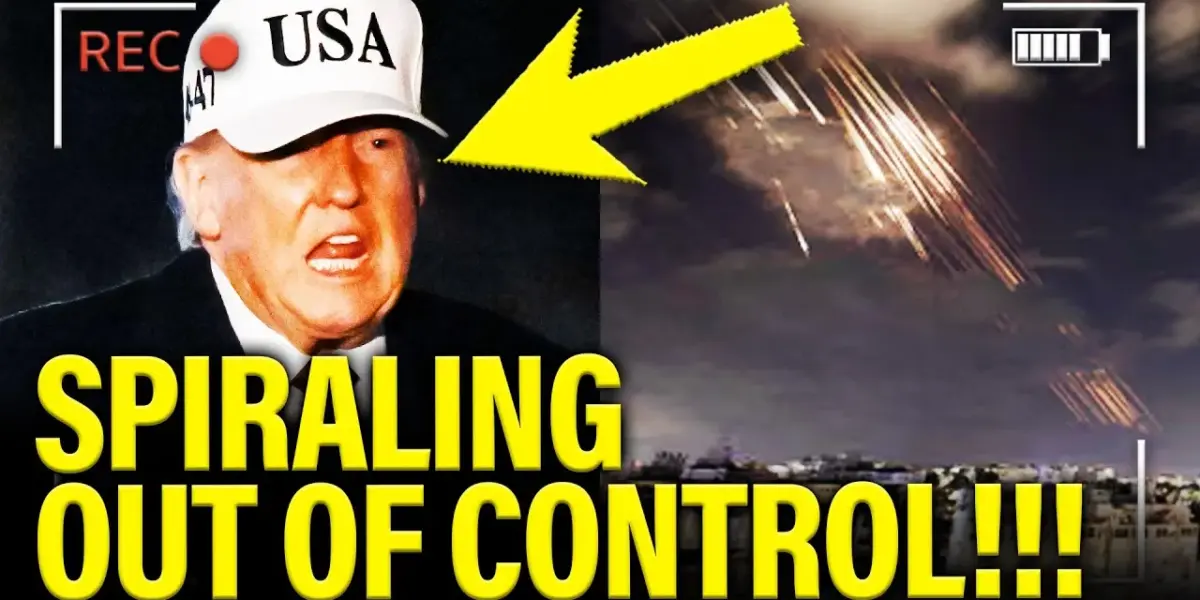
The Escalating Cost of Conflict: A Nation’s Priorities Questioned
The persistent drumbeat of war, particularly under the Trump administration, has ignited a fierce debate about national priorities and the immense financial and human toll exacted by prolonged military engagements. While tactical victories may be achieved on the battlefield, the strategic and economic consequences for the American people are increasingly coming under scrutiny. The notion that winning every battle equates to winning the war is being challenged, as the nation grapples with the staggering costs of its global military footprint.
The Price Tag of Perpetual War
Estimates suggest that ongoing military operations can cost upwards of $890 million per day, a figure that doesn’t even account for indirect economic impacts such as rising prices for essential goods like gas and groceries. This immense expenditure, often financed through debt, raises critical questions about accountability and the long-term sustainability of such policies. The transcript highlights a recurring pattern where military leaders request more resources and time, citing the need for additional troops or surges, a cycle that has repeated year after year without a clear endgame or demonstrable benefit to the American populace.
A Disconnect Between Rhetoric and Reality
Former President Trump’s rhetoric, often emphasizing an “America First” agenda, stands in stark contrast to his administration’s actions, which critics argue have expanded and perpetuated global conflicts. The transcript points to the irony of a five-time draft dodger advocating for increased military action, while his administration is accused of treating the deployment of troops as a mere game. This perceived disconnect fuels a sense of betrayal among those who believed in a less interventionist foreign policy.
The Human and Economic Toll at Home
Economists like Jeffrey Sachs argue that the trillions of dollars spent on war have directly contributed to the decay of American infrastructure, stagnant living standards, and declining economic well-being for ordinary citizens. The argument is that resources diverted to military spending could have been invested in essential domestic needs such as repairing roads and bridges, improving public education, and ensuring access to affordable healthcare and housing. The transcript voices frustration that while Americans struggle to afford basic necessities, tax dollars are funneled into foreign conflicts and supporting allied nations, even those facing accusations of war crimes.
The Military-Industrial Complex and Lobbying Influence
The pervasive influence of the military-industrial complex, a term coined by President Eisenhower, is a recurring theme. The transcript suggests that powerful defense contractors and lobbying groups, such as those supporting Israel, exert significant influence over elected officials. This influence, it is argued, leads to decisions that benefit a select few at the expense of the broader American public and national interests. Senators, even those who have expressed skepticism about certain conflicts, are sometimes hesitant to oppose further funding, leading to accusations of being “squishy” or beholden to special interests. The failure of a War Powers Resolution, despite bipartisan support for its underlying concerns, illustrates the difficulty in reining in executive war-making authority.
Questioning Alliances and Accountability
The transcript raises pointed questions about the nature of American alliances and the accountability of leaders involved in international conflicts. Senator Mark Warner’s concerns about the lack of a clear endgame and the inability to provide answers to families of service members underscore the profound uncertainty surrounding current military engagements. The assertion that Benjamin Netanyahu, the Prime Minister of Israel, is a “war criminal” wanted for crimes in his own country and at The Hague, while the U.S. sends billions in aid, is a particularly sharp critique. This raises uncomfortable questions about the values and interests that guide U.S. foreign policy.
A Call for Domestic Investment and Congressional Reform
The sentiment expressed in the transcript is a clear call for a re-evaluation of national priorities. The focus, it is argued, should shift from perpetual foreign intervention to addressing pressing domestic needs. The call to “clean out Congress” reflects a deep disillusionment with a political establishment perceived as out of touch with the struggles of ordinary Americans and unduly influenced by special interests. The idea that supporting the troops is synonymous with unquestioning support for the military-industrial complex is challenged, with proponents arguing that true patriotism involves holding leaders accountable and ensuring that resources are used to benefit the nation as a whole.
The Historical Context of American Interventionism
The reference to the United States being at war for a significant portion of its existence, coupled with its status as the largest arms exporter, paints a picture of a nation deeply entrenched in global conflict. The historical pattern of interventionism, often framed as liberation or protection, is critiqued as frequently leading to prolonged “forever wars” with unintended consequences. The transcript suggests that the U.S. has often overstepped its role in interfering with the governments of other nations, leading to instability rather than peace.
Why This Matters
The ongoing debate surrounding war costs and national priorities is crucial for the health and future of American democracy. The sheer financial burden of military engagements directly impacts the nation’s ability to invest in its own citizens, address critical infrastructure needs, and foster economic prosperity. Furthermore, the ethical implications of prolonged conflicts, the human cost borne by service members and their families, and the potential for unintended geopolitical consequences demand careful consideration. A lack of transparency and accountability in war-making decisions erodes public trust and can lead to a disconnect between the government and the governed. The transcript serves as a stark reminder that the decisions made in Washington have profound and lasting effects on the lives of everyday Americans and the global community.
Implications, Trends, and Future Outlook
The current trajectory suggests a continued tension between the demands of global security and the needs of domestic well-being. The increasing awareness of the financial and human costs of war, coupled with a growing distrust of political institutions, may lead to greater public pressure for more restrained foreign policy. However, the powerful influence of the military-industrial complex and entrenched geopolitical interests suggest that significant shifts will be difficult to achieve. Future outlooks may involve a more fragmented approach to foreign policy, with a greater emphasis on targeted interventions rather than large-scale, prolonged engagements. The role of Congress in authorizing and overseeing military action will remain a critical battleground, as will the influence of public opinion and advocacy groups pushing for a re-evaluation of national priorities. The transcript’s critique of bipartisan complicity and the influence of foreign lobbying groups suggests that systemic reform within Congress may be a necessary, albeit challenging, step towards a more responsible approach to foreign policy and resource allocation.
Source: BRUTAL Trump War COSTS Instantly PILE UP (YouTube)

Related Articles
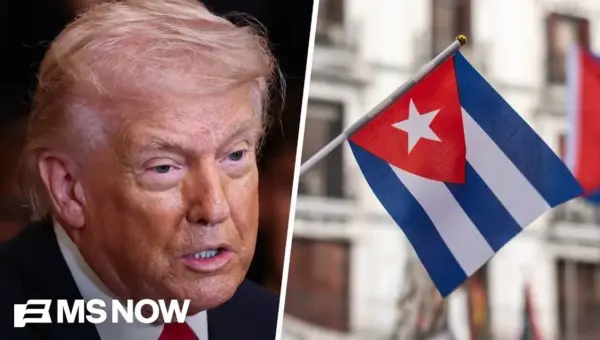
Cuban Exiles See Hope as Trump Targets Regime
Cuban exiles express profound hope as President Trump signals potential intervention in Cuba, likening the moment to a 'Berlin Wall moment.' Geopolitical experts weigh in on the challenges and potential diplomatic avenues, contrasting the situation with Venezuela and Iran.

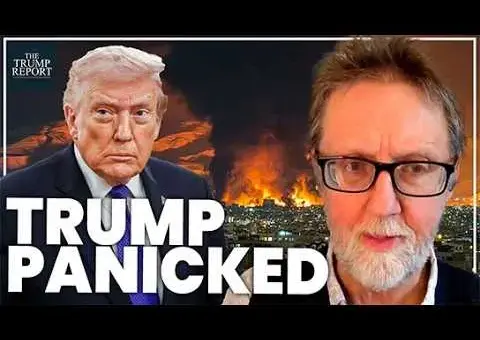
Trump’s Iran Gamble Risks Economic Ruin, Political Undoing
The Trump administration's aggressive stance on Iran, marked by a lack of a clear strategy and an expectation of surrender, risks global economic instability and domestic political fallout. Analysts warn that continued escalation could lead to devastating economic consequences and prolonged conflict, with domestic pressure being the only likely off-ramp.


Trump Administration Escalates Iran Conflict Amid Diplomacy Cuts
The Trump administration's escalation of conflict with Iran is drawing criticism amid significant cuts to its diplomatic corps. Reports suggest unclear objectives and a potential deployment of ground troops, raising concerns about mission creep and regional stability.