Trump’s War Gamble Backfires, Shattering Last Support
Donald Trump's decision to escalate foreign policy, particularly with Iran, has backfired spectacularly, shattering his last vestige of popular support: low gas prices. This move, coupled with a history of controversial decisions, has left the Republican party vulnerable ahead of crucial elections. The analysis also delves into the widening wealth gap, the unchecked power of tech oligarchs, and the constitutional concerns surrounding foreign interventions.

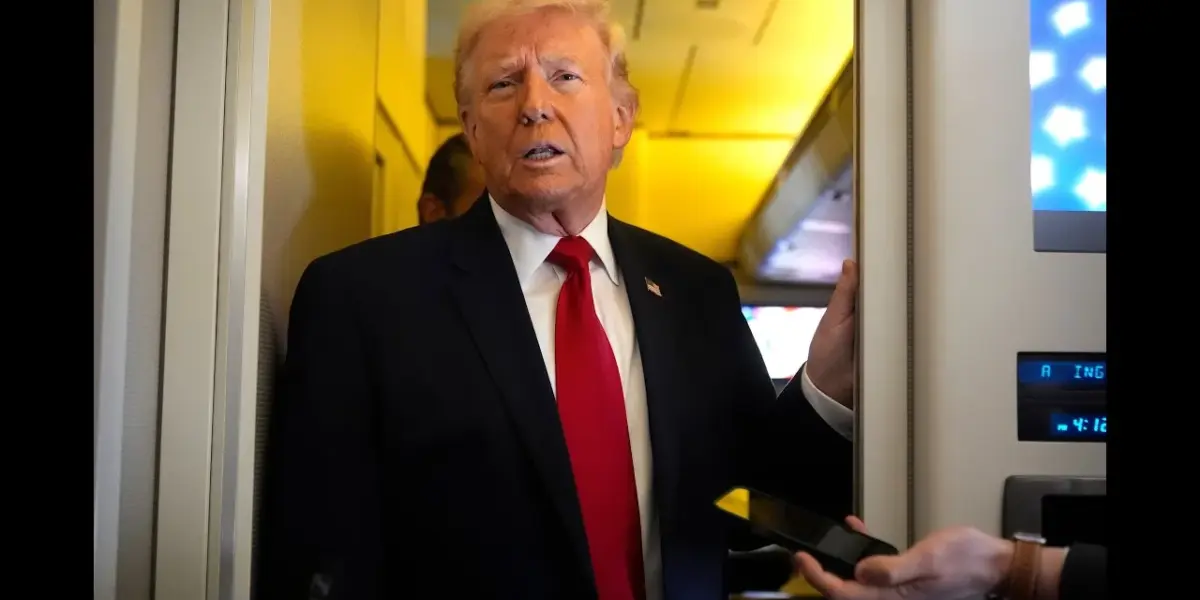
Trump’s Foreign Policy Gamble Backfires, Eroding Popularity
In a stunning turn of events, Donald Trump appears to have dealt himself a significant blow by escalating foreign policy tensions, particularly with Iran. This move, critics argue, has not only broken a core campaign promise but has also undermined the one remaining area of perceived success that Trump could point to: low gas prices. The ripple effects of this decision are being felt across the political landscape, impacting not only Trump but also the Republican party at large, especially as midterm elections loom.
The Erosion of Goodwill
The transcript highlights a pattern of decisions that have chipped away at Trump’s public standing. Issues such as the lingering shadow of the Jeffrey Epstein files, controversial ICE deployments, the economic strain of a trade war leading to higher prices, and a generally perceived incompetent cabinet have all contributed to a decline in his approval. Even inflation and the gutting of ACA subsidies have played a role in diminishing any goodwill he might have garnered.
For a significant portion of the electorate, low gas prices represented a tangible benefit of the Trump administration. With national averages hovering around $2.98 a gallon, this was an area where Trump repeatedly claimed success, even if he embellished the figures. The appeal of affordable fuel is undeniable, often superseding environmental concerns for many Americans. This popularity made it a key talking point for the administration.
A Self-Inflicted Wound: The Iran Decision
The decision to bomb Iran, described in the transcript as a “disqualifying” act for a candidate who campaigned on a platform of avoiding new wars, stands in stark contrast to Trump’s own past statements decrying the prospect of conflict with the nation. The immediate consequence of this action has been a dramatic surge in oil prices, with the price per barrel skyrocketing and gas prices at the pump rising significantly in a single day. This directly contradicts the economic stability that low gas prices represented.
The analysis suggests that Trump, in a desperate attempt to salvage his presidency amidst numerous political and economic challenges, managed to dismantle his last bastion of popular support by igniting a conflict in the Middle East. This act is framed as a political miscalculation of epic proportions, jeopardizing his core campaign promise and alienating a segment of the population that valued his anti-war rhetoric.
The Burden on the Republican Party
The transcript posits that while Trump, as a “lame duck” president, may face few immediate repercussions, the consequences fall heavily on the rest of the Republican party. When Trump makes what are described as “Olympic level stupid stunts,” his party members are often left to defend indefensible positions. This dynamic is said to contribute to significant swings in public opinion, with Democrats flipping seats in traditionally Republican strongholds.
A critical point made is that Republican politicians are not merely victims of circumstance. They are portrayed as adults who have voluntarily ceded their autonomy to Trump. The argument is that they possess the agency to challenge his power grabs but have consciously chosen not to, largely out of fear of retribution, such as a “mean tweet.” This inaction, the analysis suggests, means they share responsibility for the fallout of Trump’s decisions, including the rising cost of living, increased conflict, and perceived government cover-ups.
Historical Context and Populist Promises
The discussion touches upon a recurring theme observed in Republican administrations: a chasm between populist promises made during campaigns and the reality of their governance. Senator Bernie Sanders, interviewed in the transcript, notes a historical trend where job growth often falters under Republican presidencies. He points to the potential impact of artificial intelligence and robotics as a looming economic threat, suggesting that job losses may be a consequence of technological advancement rather than solely presidential policy.
Sanders also highlights the role of wealthy individuals and corporations in driving technological revolutions, expressing skepticism about their commitment to the working class. He advocates for a moratorium on data centers and increased regulation of AI and robotics to ensure these technologies benefit ordinary people, not just the ultra-rich. The influence of money in politics, particularly the potential for the AI industry to spend heavily on campaigns to avoid regulation, is also raised as a significant concern.
The Wealth Gap and Policy Priorities
A significant portion of the discussion, particularly involving Senator Sanders, centers on the widening wealth gap in America. The transcript cites data indicating that a small number of billionaires have amassed trillions of dollars while a majority of Americans live paycheck to paycheck. This disparity is framed not just as an economic issue but as a profound moral one.
Sanders proposes a wealth tax on billionaires as a solution, arguing that it could fund essential social programs, provide direct financial relief to citizens, and reverse cuts to healthcare. He draws upon historical parallels, referencing Justice Louis Brandeis’s assertion that a country cannot simultaneously have massive concentrations of wealth and a functioning democracy. The argument is made that Democrats should embrace such policies to appeal to the majority of voters who are not billionaires.
Foreign Policy and Constitutional Concerns
The transcript also delves into concerns about Trump’s approach to foreign policy, particularly his willingness to engage in military interventions. His campaign promise of “America First” is contrasted with actions such as military incursions into Iran and the floating of potential actions against Cuba. Senator Sanders criticizes Trump for acting against the Constitution, which reserves the power to declare war for Congress, and for potentially ushering in an era of global “barbarism” by disregarding international law.
This disregard for established norms is seen as setting a dangerous precedent, potentially emboldening other world leaders, including Vladimir Putin, to engage in similar unilateral actions. The role of foreign policy decisions in potentially fulfilling the agendas of extremist figures, such as Benjamin Netanyahu, is also mentioned, raising questions about the alignment of US foreign policy with its own interests and values.
Opportunity Cost of Military Spending
A recurring theme is the opportunity cost of massive military spending. While billions are allocated to foreign conflicts and defense, pressing domestic issues such as inadequate healthcare for veterans, a dysfunctional childcare system, a housing crisis, and the unaffordability of higher education persist. The argument is made that national priorities need a fundamental shift, moving away from excessive military expenditure towards ensuring a decent standard of living for all citizens.
The Nature of Trump’s Populism
The discussion addresses the disconnect between Trump’s populist rhetoric on affordability and his administration’s policies, such as tax breaks for the wealthy and rising healthcare and gas prices. Senator Sanders distinguishes Trump from traditional conservatives, labeling him a “pathological liar” who says anything to serve his own purposes. This perspective suggests that voters who supported Trump based on promises of affordability may have been misled by a politician whose actions contradict his stated intentions.
Epstein Files and Precedents
Finally, the transcript touches upon the controversial handling of the Jeffrey Epstein files and the implications of calling high-profile figures, like Hillary Clinton, to testify. The concern is raised that such actions set a dangerous precedent, weaponizing the justice system against political opponents. The broader issue of elite networks and the potential for cover-ups within powerful circles is also highlighted, suggesting a systemic problem that extends beyond individual cases.
Why This Matters
This analysis underscores the critical juncture at which American politics finds itself. The erosion of trust in political leadership, the impact of foreign policy decisions on domestic well-being, the growing economic inequality, and the influence of technology and wealth on governance are all pressing issues. The perceived willingness of the Republican party to align with Trump’s controversial actions, despite the apparent contradictions with their own stated values and campaign promises, raises fundamental questions about accountability and the future of democratic norms.
Implications and Future Outlook
The implications are far-reaching. The economic fallout from escalating international tensions directly impacts the daily lives of Americans through higher costs. The political polarization, exacerbated by what is described as Trump’s divisive tactics and the Republican party’s complicity, could lead to further instability and gridlock. The growing concern over the unchecked advancement of AI and its potential societal impact, coupled with the immense wealth concentrated in the hands of a few, points towards a future that requires significant policy interventions and a re-evaluation of national priorities. The upcoming elections will likely serve as a referendum on these complex issues, determining whether voters opt for a continuation of the current trajectory or a significant shift in leadership and policy direction.
Source: BACKFIRE: Trump deals himself FATAL BLOW (YouTube)

Related Articles
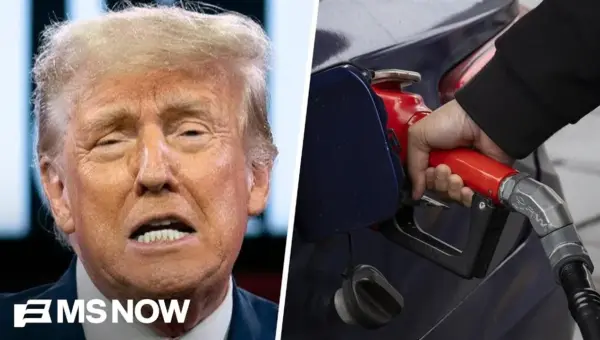
Gas Prices Surge: Americans Pay $200M More Daily Amidst Global Instability
Americans are now paying an additional $200 million daily for gasoline due to escalating global tensions and the closure of critical oil transit routes. The conflict's impact extends beyond fuel prices, affecting industries like agriculture and prompting significant financial aid requests from the government.
UK Charity Network Linked to Iran Faces Extremism Probe
A new report by Lord Walney identifies over 30 UK organizations allegedly linked to Iran, acting as 'soft power hubs.' The report raises concerns about insufficient scrutiny and potential links to the IRGC, prompting a review of the Charity Commission's powers.

Iran’s New Leader Wounded Amidst Escalating War and Sleeper Cell Fears
Iran's new Supreme Leader, Mostafa Kamani, has reportedly been critically wounded, sparking fears of internal instability and external intervention. Simultaneously, intelligence suggests Iranian sleeper cells may be activating, while Iran's firing on NATO forces escalates the conflict to a new, dangerous phase.