UK Navy Deploys to Mediterranean Amid Rising Tensions
The UK has deployed naval forces to the Mediterranean amid rising regional tensions, coinciding with French and other European nations bolstering defenses. This move comes as Ukraine's advanced counter-drone technology gains international attention, with the US and Gulf nations considering its adoption to counter Iranian-supplied drones.

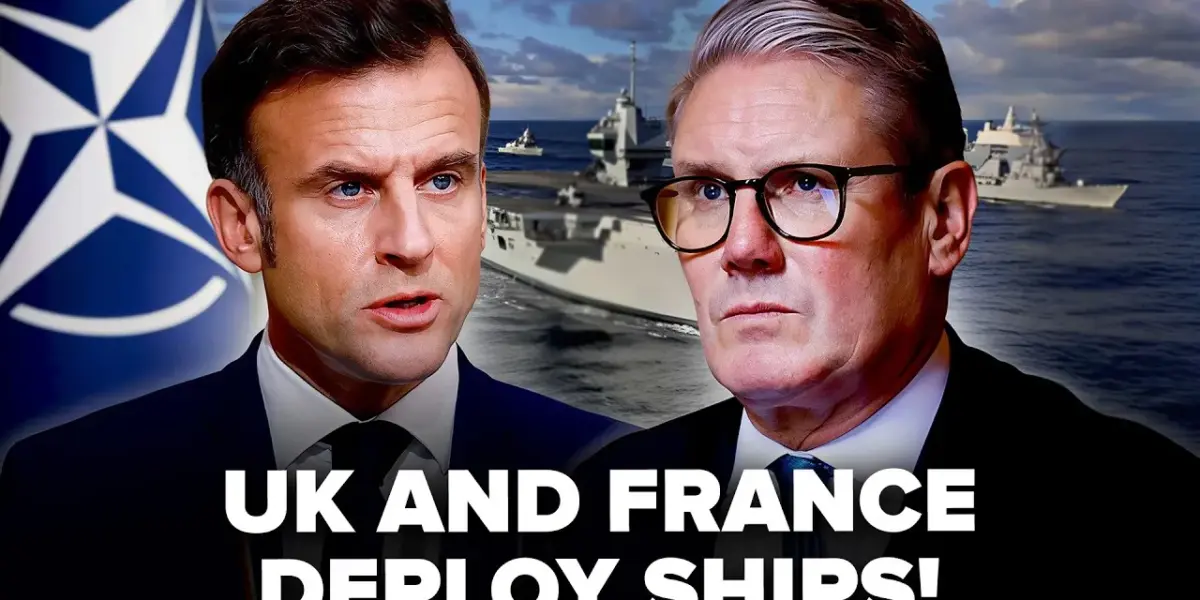
UK Navy Deploys to Mediterranean Amid Rising Tensions
In a significant move reflecting the escalating instability in the Middle East, the United Kingdom has dispatched naval assets to the Mediterranean region. This deployment, which includes the deployment of the UK Navy, comes as France also joins a major multinational deployment aimed at bolstering regional security and protecting vital shipping lanes. The decision underscores a growing concern among Western allies about Iran’s increasing drone and missile activity, which has targeted multiple countries in the Gulf and beyond.
Escalating Regional Chaos and UK’s Strategic Response
The region has been described as being “plunged into chaos,” prompting a measured yet firm response from the UK. Prime Minister Starmer emphasized a commitment to “calm, level-headed leadership in the national interest,” which includes “deploying our military and diplomatic strength to protect our people.” This stance signifies a shift from the UK’s initial decision not to join direct strikes on Iran, a move that was deliberately made in the national interest. However, as Iran’s actions expanded to include attacks on “10 countries that did not attack them”—many of which are UK allies with substantial British populations and military presence—the strategic calculus changed. The primary objective, as stated, is the protection of British citizens and personnel abroad.
Ukraine’s Drone Warfare Innovation Captures Global Attention
Amidst the broader geopolitical tensions, a remarkable development has emerged from the ongoing conflict in Ukraine. Ukraine’s extensive battlefield experience against Iranian-designed drones, notably the Shahed systems used by Russia, has positioned it as a potential leader in counter-drone technology. According to a report by the Financial Times, the U.S. Pentagon and several Gulf nations are exploring the possibility of purchasing interceptor drones developed in Ukraine. This interest stems from the effectiveness and cost-efficiency of Ukrainian solutions against low-cost enemy drones, offering a potential alternative to expensive missile defense systems like the Patriot.
The Cost of Air Defense: A Growing Challenge
Traditional air defense systems, while effective, come with a prohibitive cost when engaging swarms of inexpensive drones. Interceptors for systems like the Patriot can cost millions of dollars each, making their widespread use against low-cost targets economically unsustainable. Ukrainian engineers and military units, operating under battlefield conditions, have developed innovative, cheaper technologies designed to counter repeated drone attacks. These solutions include interceptor drones built to ram enemy aircraft in mid-air or detonate near them, aiming to neutralize threats before they reach their targets.
A New Paradigm: Drone vs. Drone Interception
The potential export of Ukrainian counter-drone technology signals a possible shift in global air defense strategies, moving towards a model of drone-versus-drone interception. This approach aims to create a more affordable defensive layer capable of handling large numbers of incoming unmanned aerial vehicles. Sources within Ukraine’s defense industry have indicated discussions between U.S. officials and a Gulf nation regarding the procurement of these interceptor drones. The war in Ukraine has, in effect, become a crucial testing ground for new drone warfare technologies and countermeasures.
Ukraine Offers Expertise, Seeks Air Defense Support
In a strategic move to maintain its relevance and secure vital military aid, Ukrainian President Volodymyr Zelenskyy has offered to share Ukraine’s hard-won expertise in countering Iranian drones with the U.S. and its Middle Eastern allies. Ukraine possesses years of experience in developing tactics and technologies to combat the same drone types that Iran supplies to Russia. Zelenskyy proposed sharing operational experience and deploying trained counter-drone specialists to nations facing similar threats. In return, Ukraine is seeking enhanced air defense capabilities, particularly more missiles for its Patriot systems, which are crucial for defending against Russian attacks.
A Mutually Beneficial Exchange
This proposal is framed as a mutually beneficial exchange, with Ukraine offering valuable battlefield insights and receiving much-needed air defense support. Ukraine has developed several key capabilities, including interceptor drones, mobile anti-drone units, and electronic warfare systems, which have proven effective against large barrages of Shahed drones when integrated into layered air defense systems. The initiative also serves to underscore Ukraine’s role as a security contributor, rather than solely a recipient of foreign aid, and aims to keep the conflict and its strategic importance in the minds of international partners amid growing crises elsewhere.
European Allies Bolster Mediterranean Defenses
In parallel with the developments concerning Ukraine, European nations are actively reinforcing the defenses of Cyprus and key Gulf allies. The United Kingdom, France, and Greece have announced they will send naval ships and air defense systems to Cyprus following drone attacks on a Royal Air Force base. Italy and Spain have since joined this coordinated effort, signaling a united front among key NATO allies, despite some initial reluctance. The deployment aims to safeguard major shipping routes, particularly in the Red Sea, which are critical for global trade.
A Coordinated, Cautious Approach
The European response, while described as limited by some officials, demonstrates a commitment to regional security. Naval assets, including the UK’s destroyer HMS Dragon, French naval forces, Italian naval forces, and Spain’s frigate ‘Cristóbal Colón’, are being deployed. Greece is dispatching fighter jets, and the Netherlands is preparing to contribute to a European task force. This coordinated action emphasizes the protection of maritime traffic as a key priority, alongside solidarity with Cyprus, which hosts significant British military bases crucial for Western operations in the Middle East.
Balancing Support with Political Prudence
Analysts note that European military presence in the region reflects a careful balance between supporting allies and navigating political sensitivities. Spain’s refusal to allow U.S. strike operations from its bases highlights ongoing divisions within Europe regarding direct involvement in potential conflicts. The crisis underscores the strategic importance of Cyprus, the escalating threat of Iranian-backed drone activity, and the critical need for NATO allies to enhance coordinated air and naval defenses to protect both military installations and commercial shipping lanes. The overarching aim is to strengthen regional security and prevent disruptions to global trade, while meticulously avoiding direct entanglement in U.S.-led offensive actions.
Professor Klucas offered insight into Iran’s strategic calculations, suggesting the recent actions were a desperate gamble for survival. He noted that Iran’s attacks on Gulf states were an attempt to gain leverage, stating, “They need to survive. And if they just sat back and only fired at Israel, there was no guarantee they had any leverage to try to survive.” He also commented on the U.S. administration’s stance, implying that a deal might still be possible if Iran renounces its nuclear and ballistic missile programs, though the regime’s current unwillingness to do so perpetuates the diplomatic stalemate and ongoing military actions.
Looking Ahead: Strategic Alliances and Evolving Threats
The coming weeks will be critical in observing how these deployments impact regional stability and deter further aggression. The potential integration of Ukrainian counter-drone technology into Western defense arsenals could significantly alter the landscape of air defense. Furthermore, the effectiveness of the coordinated European response in protecting vital shipping lanes and maintaining a united front against escalating threats will be closely watched. The delicate balance between providing robust security and avoiding direct escalation remains a paramount challenge for all parties involved.
Source: ⚡️BREAKING: Starmer sends UK Navy as France joins major Mediterranean DEPLOYMENT (YouTube)

Related Articles


Gas Prices Surge: Americans Pay $200M More Daily Amidst Global Instability
Americans are now paying an additional $200 million daily for gasoline due to escalating global tensions and the closure of critical oil transit routes. The conflict's impact extends beyond fuel prices, affecting industries like agriculture and prompting significant financial aid requests from the government.


Cuban Exiles See Hope as Trump Targets Regime
Cuban exiles express profound hope as President Trump signals potential intervention in Cuba, likening the moment to a 'Berlin Wall moment.' Geopolitical experts weigh in on the challenges and potential diplomatic avenues, contrasting the situation with Venezuela and Iran.


Iran’s New Leader Wounded Amidst Escalating War and Sleeper Cell Fears
Iran's new Supreme Leader, Mostafa Kamani, has reportedly been critically wounded, sparking fears of internal instability and external intervention. Simultaneously, intelligence suggests Iranian sleeper cells may be activating, while Iran's firing on NATO forces escalates the conflict to a new, dangerous phase.