Trump Accounts Near 2 Million Filings: Market Impact Unclear
Nearly 2 million forms have been filed for Trump accounts, aiming to boost wealth building for millions of children. While the rollout is underway with a July 4th seed deposit, key details on tax handling and gift exclusions remain unclear. Analysts anticipate minimal short-term market impact but potential long-term economic benefits.

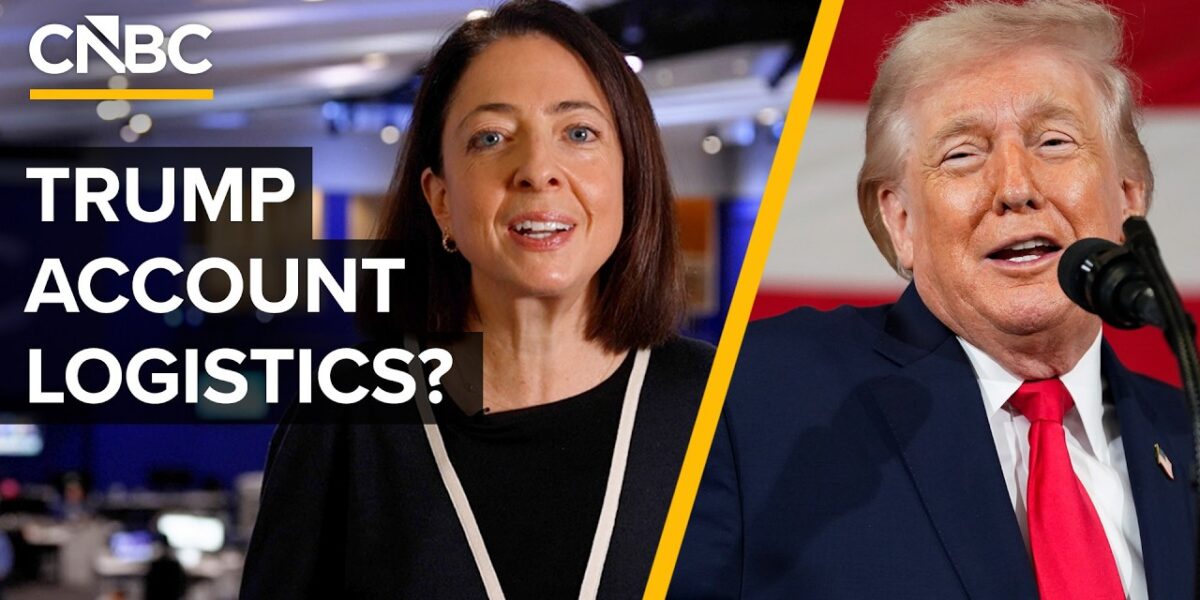
Trump Accounts Approach 2 Million Filings Amidst Unanswered Questions
The initiative aimed at expanding investment opportunities for American families, known as Trump accounts, is nearing a significant milestone with nearly 2 million forms filed, representing accounts for approximately 3 million children. Despite this strong initial uptake, a considerable number of questions remain regarding the operational details and long-term implications of these accounts.
Timeline and Seed Funding Unveiled
While the core concept of Trump accounts is straightforward – to provide a pathway for wealth building and market participation for a broader segment of the population – the precise rollout has been complex. The authentication process for setting up these accounts is slated to commence in May. Following this, the federal government’s initial $1,000 pilot contribution is expected to be deposited on July 4th. This federal seed money may be supplemented by additional contributions from charitable organizations and local governments, although the timing and confirmation of these deposits are still pending.
The administration has suggested that, mirroring Connecticut’s approach, all 50 states might offer additional funding for eligible children’s Trump accounts. However, these potential state-level contributions are currently marked as ‘To Be Determined’ (TBD).
Furthermore, several employers have indicated their intent to match the Treasury’s seed money. The exact timing of these employer-matched contributions, however, also remains uncertain, adding another layer of ambiguity to the initial funding phase.
Market Impact: Modest Short-Term Effects Expected
The influx of capital into the market from these new accounts has been a subject of analysis. Market researchers, when consulted, suggest that even with high participation rates, the initial cash injection is unlikely to significantly move market indices in the short term. Treasury Secretary Scott Bessent reported that the initiative is approaching 2 million forms filed, covering about 3 million children. However, even if all accounts were pre-funded and transacted simultaneously, the total volume would represent a relatively modest percentage of the overall trading volume in index funds, let alone the broader stock market.
“We do not anticipate a meaningful short term market impact,” stated a market analyst. The primary goal is long-term wealth creation and financial literacy.
Long-Term Vision: Broadening Economic Participation
The underlying objective of the Trump accounts is to integrate more Americans into the ‘upside of the American economic engine.’ With approximately 62% of Americans currently owning stocks, a significant portion of the population misses out on potential wealth-building opportunities. The initiative aims to address this gap.
Looking beyond the summer trading season, the expectation is that increased market understanding and intelligent, long-term equity investments by a larger number of Americans will ultimately benefit the overall economy. The first day that funds from these accounts are expected to be invested in the stock market is Monday, July 6th.
Navigating Tax Complexities
A significant area of concern for participating families revolves around the tax implications. The structure of Trump accounts necessitates careful tracking of both pre-tax and after-tax contributions over an 18-year period, from a child’s birth until they gain control of the account at age 18. Failure to do so could result in families paying taxes on the entire withdrawal amount, effectively ‘paying taxes twice.’
- Direct Parent Contributions: These are made with after-tax dollars. While the contribution itself would not be taxed upon withdrawal, the growth generated by these funds would be subject to income tax.
- Treasury Seed Money ($1,000): This is considered pre-tax. It is not included in the recipient’s income in the year it is received, but the growth of this money is tax-deferred, with regular income taxes due upon withdrawal.
- Employer Contributions and Other Qualified Contributions: These, including philanthropic gifts, follow similar tax-deferred growth principles, with taxes owed upon withdrawal.
It is crucial for account holders to understand that the funds within Trump accounts are not entirely free from future taxation. The final amount available will depend on the individual’s tax bracket at the time of withdrawal. Furthermore, withdrawals can increase a recipient’s Adjusted Gross Income (AGI) for that year, potentially triggering other tax consequences.
Gift Tax Uncertainty
A particular point of confusion surrounds gift tax regulations, especially for contributions made by family members like grandparents. While individuals can typically make yearly gifts up to a certain amount (e.g., $19,000) without needing to file a gift tax return, the eligibility of contributions to Trump accounts for this annual exclusion is debated.
The core issue lies in the ‘present interest’ requirement for the annual exclusion, meaning the gift must be immediately accessible by the recipient. Some experts argue that funds placed in Trump accounts may not meet this criterion, potentially requiring gift tax returns even for smaller contributions to a grandchild’s account. Clarity on this matter is still awaited.
Custodianship and Deficit Impact
Further unanswered questions pertain to who will serve as the custodian for these Trump accounts and the potential impact on the national deficit. While the upfront cost of the program is acknowledged as relatively small in the context of the overall national budget, especially when considering its potential benefits for lower and middle-class families, its long-term fiscal implications are still under review.
From a ‘profit and loss’ (PNL) perspective, focusing on the lifetime return of these accounts rather than solely on immediate budget outlays, the view is that they could ultimately prove to be revenue-generating for the government.
Source: Millions Have Signed Up For Trump Accounts. But There Are Still A Lot Of Unanswered Questions (YouTube)

Related Articles


5 Signs You’re Winning With Money
Achieving financial success involves more than just a high income. Key indicators include having monthly financial margin, maintaining an emergency fund, investing consistently, controlling lifestyle spending, and experiencing financial peace of mind. A solid financial plan ties these elements together.


Retirees Scramble as Old Plans Fail
Many older adults who followed traditional financial advice are now facing financial panic. They saved diligently but found their money insufficient for retirement. This highlights the need for personal financial responsibility and adapting to current economic realities.


Tax Refunds Aren’t Free Money
A large tax refund isn't free money from the government, but rather your own money that was overpaid throughout the year. Adjusting your tax withholding can help you access your funds sooner for better financial management and investment opportunities.