China Holds the Purse Strings: Russia’s Economy Fractures Under Sanctions, Beijing’s Leverage Grows
Russia's economy is showing significant signs of fragmentation due to dwindling energy revenues and the high costs of sanctions evasion. China has emerged as the primary beneficiary, dictating terms and exploiting Russia's financial weakness. The situation is creating internal instability and diminishing Moscow's authority.

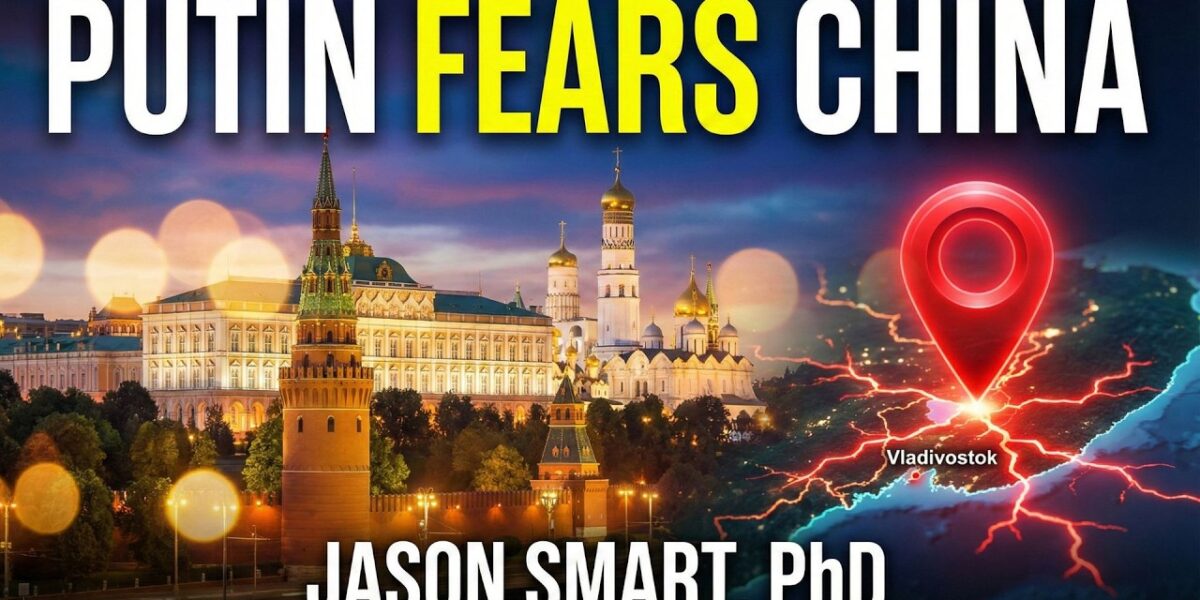
Russia’s Central Authority Crumbles as Cash Flow Dries Up, China Emerges as Key Beneficiary
The Kremlin’s grip on power appears to be weakening, not from external military pressure, but from an internal hemorrhaging of cash. Recent analysis indicates that Russia’s central authority is fragmenting, with cracks appearing simultaneously in its financial stability, command chain, and overall security situation. The core of this crisis lies in a dramatic decline in energy revenues, which plummeted by approximately $9.4 billion in the past month alone – a staggering 65% decrease month-over-month. This fiscal erosion directly impacts Moscow’s ability to enforce its will, transforming the political landscape into a less predictable, more transactional marketplace where outcomes are subject to negotiation rather than decree.
Sanctions Evasion: A Costly and Fragile Lifeline
In a desperate attempt to compensate for lost revenues, Moscow is increasingly funneling its funds through riskier channels, primarily relying on a complex sanctions evasion network. This strategy, however, introduces a new vulnerability: a loss of control. Each intermediary in the evasion pipeline extracts a fee, and every rerouting adds delays, ultimately diminishing the revenue generated from each barrel of oil sold. The system, described as both expensive and fragile, leaves Russia dependent on the compliance and cooperation of external actors, placing its economic fate beyond its own control. This inherent uncertainty cripples Russia’s ability to efficiently plan its budget and its future, as disruptions in the financial flow inevitably lead to breakdowns in payroll, which in turn destabilize the command chain.
China’s Ascendancy: The Ultimate Beneficiary of Russia’s Financial Straits
The question of who gains from this self-inflicted trap inevitably leads to China. Beijing has emerged as the primary beneficiary, effectively holding the “switch” on Russia’s sanctions evasion pipeline. China now dictates the terms of compliance risk it is willing to tolerate, forcing Moscow to accept the consequences. Crucially, China sets the discounts on Russian oil, with reports indicating that in late 2025, these discounts reached as high as $24 per barrel. As the Kremlin scrambles to offset its financial losses, its supposed allies are capitalizing on its constraints. Russia’s acceptance of these punitive terms stems from a severe lack of alternatives, with no “clean” options remaining. This necessitates compensating for these unfavorable international terms by increasing pressure on its domestic population and regions.
Fractures in the Periphery: Regional Discontent and Moscow’s Diminishing Authority
The financial strain is manifesting as visible fractures within Russia’s regions. The central government is struggling to fill budget gaps, leading to a breakdown in regional compliance. This decline in central authority is evident in the drastically reduced military enlistment bonuses offered. For instance, regions like Tartarstan have seen their enlistment bonuses plummet from $31,000 to $8,000. In Perm, the bonus has been entirely eliminated, dropping from $8,000 to $0. Despite these cuts, Moscow continues to demand more soldiers, creating a standoff with regional governors who lack the funds to meet these demands. This situation fosters a bargaining dynamic, where regional leaders, realizing Moscow’s diminished omnipotence, may resist central directives, potentially leading to widespread rebellion.
A World of Unreliable Allies: Russia’s Isolation Deepens
Russia’s search for external support yields little assistance. Traditional allies are preoccupied with their own crises: Venezuela faces its own internal challenges, and Iran is heavily engaged in preparing for potential conflict. Even the global criminal ecosystem, once a potential avenue for financial maneuvering, is proving inaccessible. Latin American drug cartels, renowned for their money-laundering expertise, are currently embroiled in open conflict with the Mexican government following the assassination of their leader, forcing them to focus on their own survival.
Elite Uncertainty and Internal Power Struggles
Internally, a sense of profound uncertainty grips Russia’s elites. The confiscation of assets by the state has become commonplace, with one in every eight Russian billionaires reportedly having their wealth seized in recent years. This widespread financial precarity is not lost on the Federal Security Service (FSB) and other rival agencies, who are actively engaged in a scramble to seize whatever assets they can find. This internal competition over dwindling resources fuels inter-agency rivalries, with the ultimate victor in this struggle likely to be the one who controls the flow of money, thereby securing their own survival.
Putin’s Delusion: A War Against the West, Not Just Ukraine
Dr. Jason Smart, a national security adviser and special correspondent, observes that Vladimir Putin, despite the mounting evidence, remains convinced of his ability to win in Ukraine. Putin’s strategy, however, does not hinge on a military victory but on outsmarting the West. He believes that by projecting an image of Russian success, he can induce capitulation from Western nations, leading them to abandon Ukraine and allowing Russia to reap the benefits of this perceived betrayal. However, this strategy is fundamentally flawed, as Russia is demonstrably losing in Ukraine, and it is Putin and his regime who should fear the concept of capitulation.
Censorship and Digital Control: Putin’s Grip on Information
A key tactic employed by Putin to consolidate power has been the suppression of his own population through stringent censorship. The Russian government censor, Roskomnadzor, has blocked an estimated 439 VPN services in the past three months alone. While intended to stifle dissent and control information, this crackdown has had unintended consequences, disrupting encrypted communication vital for military coordination. VPNs are essential tools for individuals seeking to navigate the internet without government surveillance, providing a shield against monitoring by ISPs, hackers, and state actors. The increasing reliance on such tools highlights the growing desire for digital freedom among Russians.
China’s Strategic Liquidation: More Than Just Friendship
Beijing’s interest in Russia’s future is driven by strategic calculation rather than genuine alliance. China is the sole arbiter of Russia’s market access for its oil, creating immense profit margins for itself while starving Moscow. This makes China a “strategic liquidator” rather than a loyal ally, extracting value from Russia’s vulnerability. This dynamic is rooted in historical grievances, particularly the “century of humiliation” and unequal treaties where Russia acquired vast territories from a weakened Qing dynasty. Chinese nationalists view these historical land acquisitions as an unpaid debt, and contemporary map updates using Chinese names for formerly Chinese cities signify a long-term strategy of reclaiming influence and exacting historical interest.
Russia’s Unsolvable Problems: From Rail Debt to Declining Recruitment
Russia faces a confluence of seemingly insurmountable problems. Its once-vaunted rail monopoly, crucial for domestic transport, is burdened by a $52 billion debt, with freight traffic declining by 14% since the invasion of Ukraine began. The massive oil industry, with its estimated $90 billion smuggling network reliant on intermediaries and shell companies, is increasingly strained by the widening gap between production costs and revenue generated through evasion. This financial pressure directly impacts recruitment for the military, with reports of forced enlistment in occupied Crimea and a dwindling supply of foreign recruits from Africa and Asia, who are increasingly aware of the risks involved.
Putin’s Miscalculation: A War Against the West, Not Just Ukraine
Vladimir Putin’s invasion of Ukraine is not merely a regional conflict but a broader tactic in his war against the West. He fundamentally misunderstands the West’s resolve and likely views negotiators as “marks” to be exploited, believing they are naive and easily deceived. This miscalculation, fueled by a distorted perception of Russia’s capabilities and a profound misunderstanding of Western dynamics, has led to thousands of Ukrainian deaths and a protracted conflict. Putin’s initial belief that the invasion would be a swift victory, securing Western respect, has been replaced by the reality of a weakened state and a regime more vulnerable than ever imagined.
This article was made possible by the insights from Dr. Jason Smart, a national security adviser and special correspondent. The analysis highlights the critical role of China in Russia’s current economic predicament and the internal pressures building within the Russian Federation.
Source: China Holds The Switch On Kremlin Cash (YouTube)

Related Articles
Trump’s Middle East Gambit: Escalation or Empty Threat?
The US is sending troops and imposing a blockade in the Middle East, signaling escalation. Yet, conflicting messages from Donald Trump suggest peace is near. This analysis explores the contradictory actions, Iran's defiant response, and the potential global economic and political fallout.

Oil Prices Surge to $91 Amid Geopolitical Tensions
Oil prices have surged to $91 a barrel, driven by disruptions in the Strait of Hormuz. This is leading to higher gas prices across the U.S., with California facing particularly steep costs. The situation is fueling debate on energy policy, exports, and the transition to renewable fuels.

China’s Iran Gambit: Deception or a New World Order?
President Trump claims China will stop sending weapons to Iran, but deep skepticism remains due to China's past support and use of spy satellites to aid Iran. This move could be a strategic ploy to weaken the US military.