Trump’s Midterm Gamble: Elite Cabinet Deployment Amidst Declining Popularity and Health Concerns
A secret meeting involving Donald Trump and top advisors revealed a new strategy for the 2026 midterms: deploying unpopular cabinet members instead of Trump due to his declining health and low approval ratings. This risky gamble aims to bolster Republican candidates in key races.

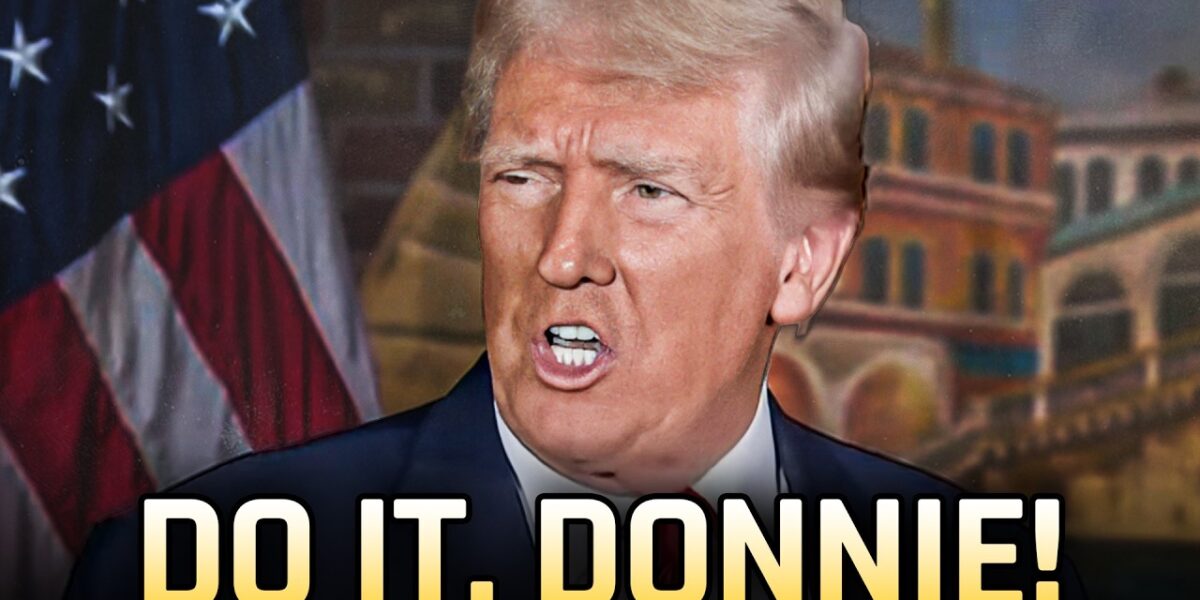
Secret Meeting Reveals GOP’s Risky Strategy for 2026 Midterms
In a clandestine gathering late Wednesday evening, Donald Trump, accompanied by his top advisors including Chief of Staff Susie Wilds and other prominent administration figures, convened an emergency, closed-door meeting. The objective: to strategize a response to the looming threat of significant losses in the 2026 midterm elections. Sources indicate a palpable sense of urgency within the Trump camp, as internal polling and external analyses suggest the Republican Party is currently poised to relinquish control of the House of Representatives and faces considerable risk in retaining the Senate.
The Peril of a Lame Duck Presidency
The potential loss of congressional majorities carries profound implications for Donald Trump’s remaining term. Should Republicans falter, Trump would likely find himself a “lame duck” president. This scenario would severely hamper his ability to enact his agenda, with the likely rejection of judicial and executive appointments, a standstill in legislative efforts, and a general paralysis of his administration’s initiatives during his final two years in office. This prospect, it is understood, is a primary driver behind the administration’s current focus on election integrity measures, voter roll access, voter intimidation tactics, and the controversial “Save Act.” However, the meeting also revealed a secondary, perhaps more audacious, plan.
A New Campaign Strategy: Deploying the Unpopular
Recognizing Donald Trump’s historically low approval ratings as president, a significant challenge for incumbent campaigns, the administration has devised a novel approach. The strategy acknowledges the ineffectiveness of sending the unpopular former president to campaign in swing districts where his presence could be detrimental rather than beneficial. Furthermore, the transcript highlights a critical, often overlooked, factor: Trump’s declining health. It is suggested that his physical condition no longer permits the strenuous demands of large-scale rallies. The transcript notes, “His health doesn’t allow him to go out and do rallies anymore. He can’t physically do it. The man can barely stand up for more than two minutes.” The prospect of Trump conducting rallies while seated is seen as potentially exposing his physical frailty, further diminishing his political capital.
The Cabinet Offensive: A Risky Bet on Cabinet Unpopularity
Instead of leveraging Trump’s diminished capacity, the new midterm strategy proposes deploying members of his cabinet. This plan, described as “the best plan this administration has ever come up with” by the source, hinges on a seemingly counterintuitive premise: sending out individuals who are, in some cases, perceived as even less popular than Trump himself. The rationale, however cynical, is that these figures, despite their own low favorability, represent a distinct strategic advantage over a weakened and unpopular former president.
The transcript humorously outlines this strategy: “So instead of sending the unpopular Trump out there, they’re going to send his cabinet. The plan for the midterms to save Republicans is to send out the one group of people in this country who are less popular than Trump himself. Like Trump can’t save your race, but maybe Christy Gnome can. Hey, we know you’re struggling, so we’re gonna send you Pam Bondi. Uh oh, looks like you’re in a tight race over here. Here comes Pete Hegsth to the rescue.” The article implies that figures like former Florida Attorney General Pam Bondi, former EPA Administrator Scott Pruitt (referred to as Pete Hegseth), and others are being considered for campaign appearances, potentially even alongside controversial figures like Robert F. Kennedy Jr. and musicians like Kid Rock, as suggested by the source.
Analysis: A Desperate Move or Strategic Genius?
This strategy represents a significant departure from traditional campaign tactics. Typically, party leaders and popular figures are dispatched to energize voters and bolster candidates in competitive races. The decision to deploy cabinet members, especially those with their own baggage or low public profiles, suggests a party grappling with a crisis of confidence and a lack of universally appealing surrogates. The source’s enthusiastic endorsement, bordering on sarcasm, highlights the inherent risks. “And I love it. I I love every part of this. I think this is the best plan ever. In fact, I don’t want to wait. I think you guys need to start sending these weirdos out into the country right now.”
The underlying assumption is that these cabinet members, by association with Trump and his agenda, will resonate with the Republican base. However, this approach could easily backfire. In districts where Trump’s popularity is waning, or where voters are seeking a change, the presence of his loyalists might serve to alienate undecided voters rather than win them over. The suggestion of sending figures like RFK Jr. and Kid Rock, noted for their controversial stances and public personas, further underscores the high-stakes, potentially desperate nature of this electoral gambit. The transcript’s satirical tone regarding these potential surrogates – “have them go out and do like a workout tour. You know, just put them on the sidewalk doing push-ups in their jeans. That that would definitely make people realize how serious this administration is” – points to a deep-seated skepticism about the efficacy of such a strategy.
Broader Implications for the Republican Party
The reported strategy raises fundamental questions about the future direction of the Republican Party. If the party’s most viable campaign strategy involves deploying figures who are less popular than its de facto leader, it suggests a significant erosion of broad appeal. It also implies a reliance on energizing the base through figures who may be polarizing, potentially at the expense of attracting moderate or independent voters. The emphasis on controversial figures and unorthodox campaign tactics could further deepen existing divisions within the electorate and within the party itself.
The strategy also highlights the enduring, yet complex, influence of Donald Trump. While his personal campaigning may be limited, his endorsement and the figures he elevates continue to shape the party’s landscape. The decision to rely on his cabinet, rather than seeking out new or more broadly appealing voices, indicates a continued commitment to the Trumpian political movement, even as its electoral effectiveness is being tested. The success or failure of this plan could have long-lasting consequences, potentially reshaping the Republican Party’s electoral map and its identity for years to come.
The transcript concludes with a call for engagement, urging viewers to subscribe, like, comment, and share, indicating the broader context of this discussion within a political commentary channel. The underlying message is one of deep concern, bordering on alarm, regarding the Republican Party’s strategic direction and its potential impact on the American political landscape.
Source: Trump Just Decided to DESTROY The Republican Party (YouTube)

Related Articles
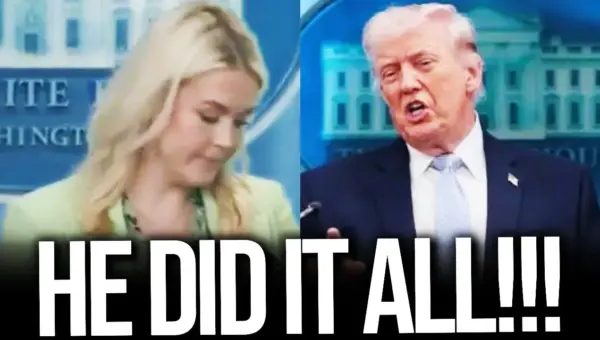
Trump Officials Dodge Key Questions on Economy, Gas Prices
Top Trump administration officials faced tough questions on rising gas prices and economic woes during a press briefing. Critics argue officials dodged key issues, offered vague promises, and deflected criticism by attacking opponents, all while serious economic concerns were met with lighthearted jokes.

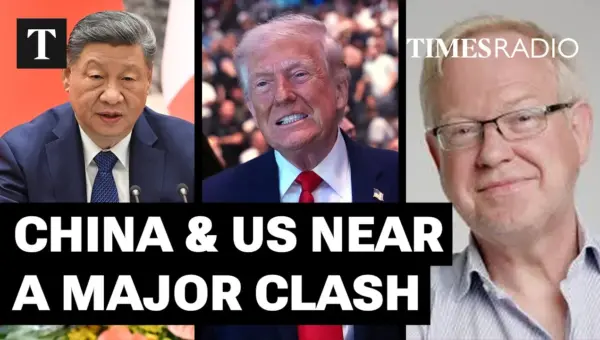
China-US Tensions Flare: Blockade Risk Sparks Superpower War Fears
The U.S. blockade in the Strait of Hormuz has intensified tensions with China, raising fears of a potential superpower conflict. Expert Roger Boyes highlights China's use of a "shadow fleet" and military support for Iran, while President Trump attempts a delicate diplomatic approach ahead of a key meeting with President Xi Jinping.

Trump Sees Iran Conflict Near End, Analysts Urge Caution
President Trump believes the conflict in Iran is "very close to over," but former advisor Keith Kellogg urges a cautious approach. The potential de-escalation could impact global markets, particularly oil prices. Investors should monitor the specifics of any resolution and its long-term implications for regional stability.