Canada’s Risky Embrace of Chinese EVs: A Looming Crisis?
Canada's increasing reliance on Chinese electric vehicles, particularly models like the Xiaomi SU7, is raising serious safety, quality, and national security concerns. Critics warn of potential risks, from faulty designs and data espionage to China's broader pattern of geopolitical and economic pressure on Canada.


Canada on the Brink: The Perilous Path of Chinese Electric Vehicles
Recent decisions by the Canadian government regarding the influx of Chinese electric vehicles (EVs) are raising significant concerns, with critics warning of potential economic, safety, and security repercussions. As Canada prepares to significantly increase its import of Chinese-made EVs, a closer examination of the vehicles themselves, coupled with China’s broader geopolitical strategies, reveals a complex and potentially volatile situation.
The Xiaomi SU7: A Symbol of Controversy
At the heart of the discussion is the Xiaomi SU7, a Chinese EV that has garnered significant attention, both positive and negative. This vehicle, often described as a striking imitation of the Porsche Taycan, exemplifies many of the issues surrounding Chinese automotive imports. While praised in some circles for its aesthetics and features, its quality, safety, and even its very design have come under intense scrutiny.
Allegations of Copying and Intellectual Property Theft
The resemblance between the Xiaomi SU7 and the Porsche Taycan is undeniable, leading to accusations of blatant copying. This practice is not new to the Chinese automotive industry. Historically, Chinese manufacturers have been accused of replicating designs of established global brands with little fear of legal repretuion. Attempts to sue in China often prove futile, with companies facing the risk of losing market access if they pursue legal action. This creates an environment where intellectual property rights are frequently disregarded, allowing for the proliferation of vehicles that are essentially knockoffs of well-known models.
Safety Concerns and Quality Control Failures
Beyond design, serious safety and quality concerns plague many Chinese EVs, including the Xiaomi SU7. Reports indicate that these vehicles are equipped with sophisticated reporting systems that alert manufacturers to accidents. However, instead of prioritizing rescue or customer support, evidence suggests that company representatives are dispatched to remove branding and cover the vehicles, an act perceived as an attempt to conceal the vehicle’s origin and potentially its flaws.
The Xiaomi SU7 has notably ranked last in Chinese domestic quality ratings, based on consumer complaints. Despite this, glowing reviews from Western automotive journalists and influencers are common. Critics argue that these reviewers may be incentivized to provide positive coverage to maintain access to new models, leading to a skewed perception of the vehicles’ true capabilities and safety. This creates a dangerous disconnect, where consumers are presented with an overly optimistic view, potentially unaware of critical shortcomings.
Incidents such as brake failures, unexplained fires, and even a tragic case where a driver allegedly burned to death after a crash due to doors that failed to open have been reported. The self-driving features have also been implicated in fatal accidents. Furthermore, a chilling incident involved a Xiaomi SU7 accelerating uncontrollably and injuring a dealership worker before it was even delivered to a customer.
The Door Dilemma: A Legislative Response
Perhaps one of the most alarming safety issues is the design of the electric doors on some Chinese EVs, including the Xiaomi SU7. These doors are operated electronically with micro-switches, lacking any mechanical backup. In a critical situation, such as a fire or accident, if the electrical system fails, occupants can become trapped. This flaw is so significant that China has mandated that all new cars must feature mechanical doors by 2027, a legislative response directly stemming from the failures of models like the Xiaomi SU7.
Data Security and Espionage Fears
A more insidious concern relates to data security and potential espionage. All modern EVs are equipped with extensive sensors and communication systems. Experts warn that these systems in Chinese EVs could be exploited to collect and transmit sensitive data, including audio, video, geolocation, and biometric information, back to servers in China. This has led countries like Israel to suspend the use of Chinese EVs, particularly those from BYD, by defense personnel due to cyber security risks. The fact that China itself bans Teslas from parking near government buildings is seen as a significant indicator of their own concerns about data security and the potential for surveillance.
Canada’s Strategic Missteps with China
The influx of Chinese EVs into Canada is seen by some as part of a broader pattern of Canada making significant strategic errors in its dealings with China. Beyond automotive imports, China’s actions have included:
- Hostage Diplomacy: The detention of two Canadian citizens, Michael Kovrig and Michael Spavor, after Canada detained Huawei executive Meng Wanzhou, is a stark example of China’s use of individuals as bargaining chips.
- Economic Coercion: China has previously blocked imports of Canadian canola following diplomatic disputes, using trade as a tool to exert pressure.
- Foreign Interference: Canadian intelligence reports have identified China as a primary perpetrator of foreign interference, including meddling in federal elections, running disinformation campaigns, and secretly funding candidates.
- Intimidation and Surveillance: The establishment of clandestine police stations on Canadian soil and the targeting of critics, such as MP Michael Chong’s family, highlight China’s efforts to intimidate and silence dissent.
- Cyber Espionage: Numerous state-sponsored cyber attacks and espionage activities aimed at stealing Canadian intellectual property and influencing policy have been documented.
- Unrepaid Loans: China owes Canada millions of dollars in loans dating back decades, with repayment not expected until 2045.
Exploitation of Canadian Systems
There are also concerns that certain Chinese nationals have historically exploited Canadian systems, including immigration and real estate markets. Allegations include individuals moving to Canada not out of desire, but to take advantage of social programs and to move wealth out of China. This has been linked to the rapid inflation of real estate prices in major Canadian cities, making homeownership unattainable for many Canadians. Furthermore, accusations of money laundering through casinos and the use of agents to maintain permanent residency while residing primarily in China have surfaced.
A Dangerous Precedent for Canada
The combination of questionable vehicle quality, potential safety hazards, and significant data security risks associated with Chinese EVs, coupled with China’s documented history of aggressive geopolitical and economic actions against Canada, paints a worrying picture. Critics argue that Canada’s current approach, which appears to welcome these vehicles with minimal scrutiny, is a dangerous miscalculation. The potential consequences range from consumer harm and economic losses to compromised national security. As Canada opens its doors wider to Chinese automotive technology, the question remains: is it prepared for the potential fallout?
Source: Canada is about to Burn! And China's holding the Match (YouTube)

Related Articles
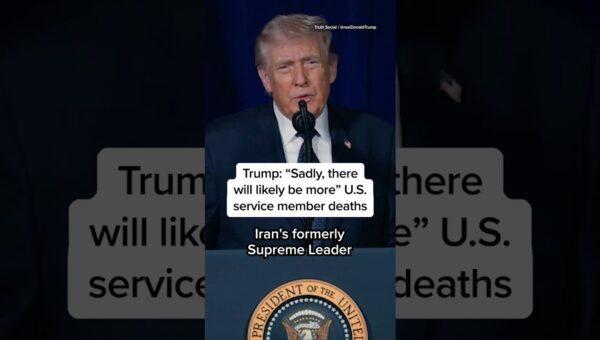
Trump Warns of More US Deaths in Escalating Conflict
Former President Donald Trump issued a somber warning on Truth Social, stating that further U.S. service member deaths are "likely" as geopolitical tensions escalate. He condemned Iran's former supreme leader, Ayatollah Ali Khamenei, and vowed retribution for fallen soldiers.

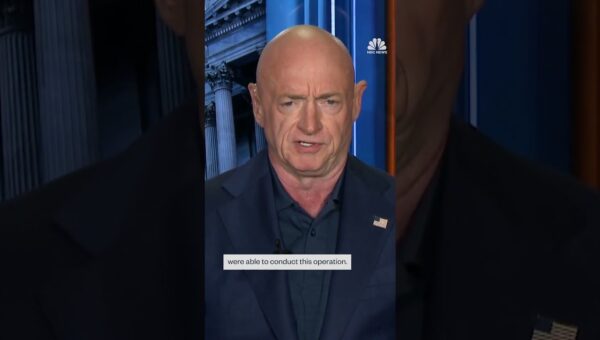
Senator Kelly: Khamenei’s Death is Positive, But Lacks a US Strategy
Senator Mark Kelly welcomed the death of Iranian Supreme Leader Ali Khamenei, calling it a "good thing." However, he sharply criticized the current U.S. administration for lacking a coherent strategy to manage the significant geopolitical shift. Kelly emphasized that "hope is not a strategy" and called for clear objectives and actionable plans to ensure American security.


Dem Leader Questions Iran Strike Rationale, Cites ‘War of Choice’
Senator Mark Warner questions the White House's justification for military strikes in Iran, labeling it a 'war of choice' due to a lack of perceived imminent threat. He highlights shifting rationales and calls for presidential transparency regarding goals and potential casualties.