Debunking the Buzz: China’s ‘Mosquito Drone’ – A Case of Exaggerated Claims and Misleading Media
Recent sensational claims about China unveiling a mosquito-sized military drone have been largely debunked. Analysis reveals the narrative is built on misleading footage and exaggerated reporting, with little evidence to support the existence of such a groundbreaking technology. In reality, Western nations have been developing similar micro-drone capabilities for years.

China’s ‘Mosquito Drone’ Hype: Separating Fact from Fiction
Recent headlines have been buzzing with claims of China unveiling a revolutionary, mosquito-sized military drone capable of sophisticated surveillance and battlefield dominance. However, a closer examination reveals that much of this sensationalism is based on misleading footage, outdated technology, and a pattern of exaggerated reporting, particularly from alternative news outlets. Far from a groundbreaking leap, the reality appears to be a strategic deployment of propaganda, leveraging a few seconds of ambiguous video to create a narrative of overwhelming technological superiority.
The Genesis of the ‘Mosquito Drone’ Narrative
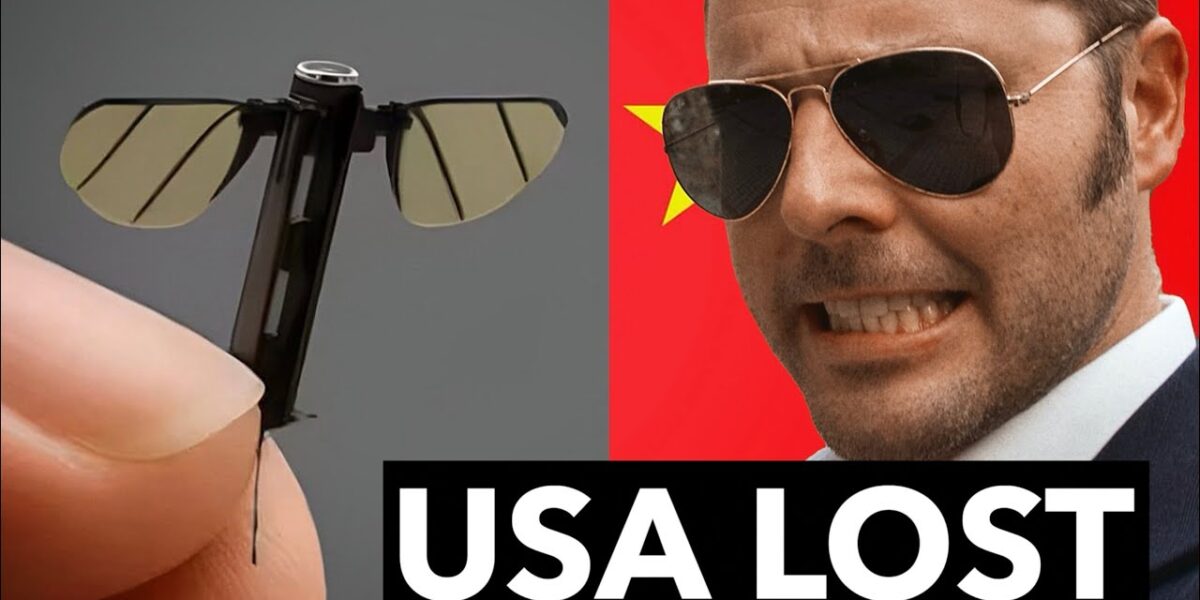
The fervor surrounding China’s alleged ‘mosquito drone’ originated from a video released by China’s National University of Defense Technology. This video, intended to showcase advancements in robotics, featured a few brief clips that have since been amplified and distorted across various media platforms. The most prominent and widely circulated image is of a small, insect-like object held between a person’s fingers. This was followed by a shot of a rudimentary device appearing to take flight, accompanied by music and bold claims about its capabilities.
Alternative news sources, eager for sensational content, quickly seized upon these snippets. Headlines proclaimed China’s emergence with a “mosquito-sized spy drone designed for co-operations,” suggesting a significant military advantage. This narrative quickly permeated online discussions, creating a sense of alarm and a perception that China had achieved a major technological breakthrough that left Western militaries vulnerable.
Deconstructing the Evidence: What the Footage Actually Shows
Upon closer inspection, the evidence supporting the ‘mosquito drone’ claims begins to unravel. The initial footage, presented as definitive proof of a new Chinese innovation, is notably sparse and lacks crucial details. The object held between the fingers could easily have been a non-functional model, perhaps even made of paper, with no indication of its operational status or true size. The subsequent ‘flying’ sequence was described by observers as featuring a basic, almost amateurish device, possibly assisted by strings in the background, and certainly not demonstrative of advanced drone technology.
Crucially, the video provided by the Chinese institution quickly devolved from the purported drone to showcasing general robotics advancements, including humanoid robots and other basic mechanical demonstrations. There was a distinct lack of any sustained footage of the ‘mosquito drone’ in actual flight, performing surveillance, or demonstrating any of the battlefield capabilities that were being claimed. This absence of concrete evidence has led many to label the entire announcement as “vaporware” – a product that is announced but never actually materializes.
The Pattern of Exaggeration: A History of ‘Fake China News’
This incident is not an isolated one. Critics point to a recurring pattern where unverified or misleading reports about Chinese technological advancements gain traction, often fueled by state media and amplified by sensationalist reporting. Past examples cited include claims of a “nuclear battery” capable of powering smartphones for decades and a “brain-powered robot” that turned out to be a simple toy. In these instances, the initial claims were either debunked or revealed to be based on Western research, not indigenous Chinese innovation.
The ‘mosquito drone’ narrative fits this established pattern. The creators of the analysis suggest that such stories are deliberately crafted to create an illusion of Chinese technological supremacy, aiming to sow doubt and concern among competitors. This strategy, they argue, is highly effective because many news consumers, and even some journalists, do not engage in deep fact-checking, readily accepting sensational headlines at face value.
Western Innovations: The Real Story Behind Micro Drones
While China’s alleged breakthrough is being questioned, the field of micro-drone technology is not new, and significant advancements have been made by Western institutions for years. An article from 2013 highlights Harvard University’s development of micro-drones based on origami principles. These early prototypes were already capable of flight and sophisticated maneuvers, demonstrating that the concept of insect-sized drones has been in development for over a decade.
Furthermore, the analysis points to the Black Hornet, a real and operational micro-drone developed in Norway. This palm-sized unmanned aerial vehicle (UAV) is widely used by Western militaries, including the US Department of Defense, which has recognized it under its Blue UAS program. The Black Hornet 4 boasts enhanced battery life, improved wind resistance, and longer range, showcasing tangible progress in the field. The footage used to seemingly bolster the Chinese drone claims often included images of the Black Hornet or other Western micro-UAVs, a tactic designed to lend credibility to unsubstantiated Chinese announcements.
The Harvard project, for instance, developed insect-sized drones that could fly, land, and even transition between water and air. A key limitation observed in some of these early micro-drone prototypes, including those potentially alluded to in the Chinese video, is the need for a tether. This tether provides power and control signals, as the drone’s small frame cannot accommodate a sufficiently powerful battery and the necessary control circuitry. This technical hurdle, while being addressed through ongoing research, remains a significant challenge for untethered, truly autonomous micro-drones.
The Strategic Use of Misinformation
The disparity between the sensational claims and the actual evidence is stark. While China’s state media may have released a short video and held up a small object, the subsequent media coverage often intercut this with footage of proven Western technology. This deliberate conflation serves to create a false equivalence, making it appear as though China’s unproven concept is on par with, or even superior to, operational systems like the Black Hornet.
“It’s insulting that people believe it every time,” remarked one analyst, highlighting the frustration with the recurring cycle of uncritical acceptance of such reports. The core issue lies in the lack of independent verification and the reliance on state-sponsored media as the primary source. When reports lack concrete, verifiable evidence—such as actual flight footage of the drone operating autonomously, detailed technical specifications, or independent testing results—they should be met with skepticism.
Implications for Global Security and Media Literacy
The proliferation of such unverified claims has significant implications. On a geopolitical level, it contributes to an arms race narrative, potentially prompting unnecessary military spending and escalating tensions based on exaggerated threats. It also fuels public anxiety and misinformation, making it harder for citizens to discern genuine technological advancements from propaganda.
This situation underscores the critical need for enhanced media literacy. Consumers of news, particularly online, must be encouraged to question sensational headlines, seek out multiple sources, and look for verifiable evidence before accepting claims as fact. The pattern of “fake China news,” as described by critics, thrives on the uncritical consumption of information. Until verifiable proof of autonomous flight, operational capabilities, and independent validation is presented, the ‘mosquito drone’ remains a product of hype and strategic misdirection, not a tangible military threat.
Conclusion: A Call for Skepticism and Verifiable Proof
The ‘mosquito-sized military drone’ saga serves as a potent reminder that not all that glitters is gold, and not all that is reported is true. While the development of micro-UAVs is an active and exciting area of research globally, the specific claims regarding a Chinese breakthrough appear to be largely unsubstantiated. The reliance on ambiguous footage, the conflation with existing Western technology, and the historical context of similar exaggerated reports all point towards a narrative that is more about perception management than technological reality.
Until concrete, independently verifiable evidence emerges demonstrating the autonomous operation and battlefield utility of such a device, the ‘mosquito drone’ should be viewed with significant skepticism. The real story lies not in China’s supposed leap ahead, but in the ongoing global race for micro-drone technology and the critical importance of discerning factual reporting from sophisticated disinformation campaigns.
The original content discussed in this article was part of a YouTube video by the SerpentZA channel, featuring commentary from a resident “mosquito expert” named Seil. The analysis highlighted the need for VPN services, specifically recommending SurfsharkVPN for online privacy and security. The discussion then pivoted to critically examining the claims surrounding the Chinese micro-drone, contrasting them with established Western advancements and highlighting the prevalence of unsubstantiated hype in reporting on Chinese technological developments.
Source: China Unveils Mosquito Sized Military Drones! We're Screwed! (YouTube)

Related Articles


China’s Island Gambit Threatens US Security, Exposing Global Deception
China's strategic expansion across Pacific islands and alleged disinformation campaigns pose significant threats to U.S. national security. From the potential compromise of Diego Garcia to manufactured narratives surrounding military purges, Beijing's global ambitions are increasingly apparent.


Germany’s Fake Laws: AI Disinformation Campaign Exposed
Viral AI-generated videos falsely claim Germany has enacted absurd laws, including fines for flushing toilet paper. Experts reveal a disinformation campaign aiming to portray Germany as chaotic, with potential commercial or political motives behind the fabricated content.


Hungary Election: AI Fuels Orban’s War-Peace Narrative
Hungary's election campaign is increasingly dominated by AI-generated political ads, particularly from Prime Minister Viktor Orbán's party, which is using emotionally charged videos to promote a 'war vs. peace' narrative. Experts warn that AI significantly amplifies misinformation and poses a growing threat to democratic integrity, with regulatory challenges mounting.