Labour Eyes Shock By-Election Win as Royal Scandal and SEND Reforms Dominate Political Landscape
Senior Labour figures are expressing unprecedented confidence in winning the Gorton and Denton by-election, defying typical 'expectation management' strategies. Meanwhile, parliamentary rules are being tested by the Prince Andrew scandal, and the government faces scrutiny over its SEND reforms.

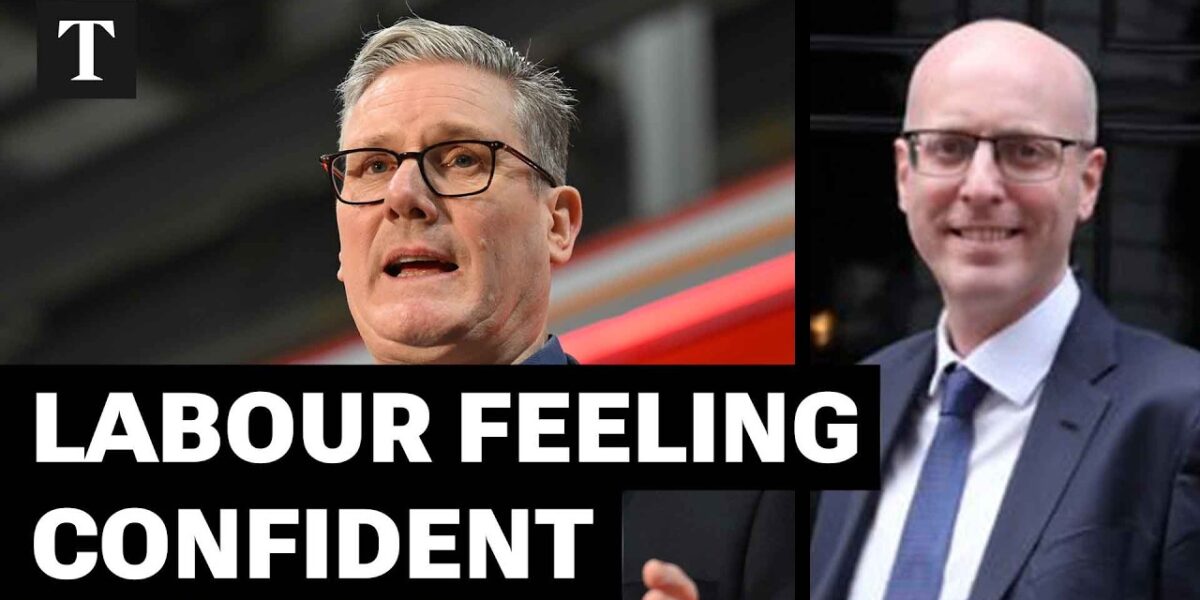
Labour Poised for Unexpected By-Election Victory Amidst Shifting Political Tides
In a surprising turn of events, senior figures within the Labour party are reportedly expressing genuine confidence in their chances of winning the upcoming Gorton and Denton by-election. This stands in stark contrast to the typical pre-election strategy of ‘expectation management,’ where parties often downplay their prospects to mitigate potential disappointment. The absence of such cautious messaging from Labour this week suggests a palpable belief that a victory, once considered unlikely, is now a distinct possibility.
The Gorton and Denton By-Election: A Crucial Test for Keir Starmer
The Gorton and Denton by-election, with results expected on Thursday, is shaping up to be a pivotal moment for Labour leader Keir Starmer. Political observers note that the usual playbook involves managing expectations downwards, often citing potential losses to contenders like the Green Party or Reform UK. However, the current sentiment within Labour, as reported by The Times’ political editor Steven Swinford, indicates a significant shift. Senior party sources are now openly suggesting that they ‘seriously think they could win this.’
This newfound optimism appears to be fueled by an analysis of the ‘don’t know’ vote. Labour strategists believe that a segment of undecided voters, potentially disillusioned with the current government or seeking an alternative to other opposition parties, are leaning towards Labour. The hope is that this crucial bloc will not split between Labour and the Greens, but rather consolidate behind the main opposition party, thereby boosting their chances of victory.
The question of whether Keir Starmer will personally campaign in Gorton and Denton remains a subject of speculation. Historically, concerns about his electoral ‘toxicity’ and perceived unpopularity might have kept him away from a marginal constituency. However, the current political climate and the perceived strength of Labour’s position could lead to a change in strategy, with his presence on the ground potentially seen as a galvanizing force rather than a liability.
Royal Family and Parliamentary Rules: The Unavoidable Shadow of the Andrew Scandal
Adding to the political drama of the week is the ongoing scandal surrounding Prince Andrew. The repercussions of this situation are extending beyond tabloid headlines and into the very fabric of parliamentary procedure. Steven Swinford highlights a peculiar and arguably anachronistic aspect of parliamentary rules, as codified in ‘Erskine May.’ This established guide to parliamentary conduct explicitly prohibits MPs from directly impugning the conduct of the sovereign or the royal family in the House of Commons.
This rule presents a significant challenge for Members of Parliament seeking to debate the serious allegations and implications surrounding Prince Andrew. Despite the scandal being ‘the biggest story in town,’ MPs are reportedly struggling to find legitimate avenues within parliamentary debate to address it. Speaker Lindsay Hoyle faces the unenviable task of maintaining order while MPs inevitably attempt to skirt or challenge these restrictive rules.
The situation has sparked broader questions about the accountability of the Royal Family and the suitability of outdated parliamentary conventions. Critics argue that such rules, designed in a different era, are no longer fit for purpose in an age where transparency and public scrutiny are paramount. The inability of the heart of democracy – the House of Commons – to openly debate pertinent issues related to the Epstein files and Prince Andrew’s alleged conduct is seen by many as a ‘perverse’ and ‘utterly bizarre situation.’
While the Liberal Democrats are reportedly exploring ways to raise the issue through parliamentary mechanisms, such as urgent questions, the underlying tension between parliamentary privilege and royal immunity is likely to persist. This scandal, therefore, could serve as a catalyst for a re-evaluation of the relationship between Parliament and the Royal Family, potentially leading to calls for reform of these long-standing rules.
Special Educational Needs and Disabilities (SEND) Reforms: A System Under Pressure
Beyond the by-election and royal drama, the government is also navigating the complex terrain of Special Educational Needs and Disabilities (SEND) reforms. While the administration claims a genuine desire to improve a system described as ‘on its knees,’ the proposed changes have drawn scrutiny and concern.
A key point of contention lies in the proposed review of Education, Health and Care Plans (EHCPs) at the secondary school transition stage. This is a critical juncture for many children with special needs, who may manage in primary school settings but often struggle to adapt to the larger, more complex environment of secondary schools. The government’s plans to potentially reassess EHCPs at this pivotal point are viewed as controversial, particularly as the precise mechanisms for savings and the long-term impact on provision remain unclear.
The government has announced an additional £4.5 billion in spending for SEND services, a significant commitment. However, questions linger about where cost savings will be found to fund these reforms, especially concerning the secondary school transition. Prominent MPs, such as Angela Rayner, who has personal experience with a child with profound special needs, are closely monitoring the developments, indicating the high level of interest and potential opposition from within Parliament.
The broader debate revolves around the optimal educational setting for children with special needs. The government’s stated commitment to mainstream education and inclusion is a central pillar of its argument. However, there is a recognition that for some children with profound needs, specialized settings may be more appropriate. The challenge for the government lies in striking the right balance between inclusive mainstream education and the provision of specialized support for those who require it most.
A Week of Political Significance
This week promises to be a period of intense political activity. The Gorton and Denton by-election, the ongoing fallout from the Prince Andrew scandal, and the intricacies of SEND reforms all converge to create a dynamic and potentially transformative political landscape. The outcome of the by-election, in particular, could significantly influence the political fortunes of Keir Starmer and the Labour Party, while the debates surrounding the Royal Family and SEND reforms highlight deeper systemic issues within British governance and society.
Furthermore, the upcoming Spring Forecast, which is no longer a full budget but still serves as a crucial economic barometer, will provide further insights into the state of the UK economy. The official forecaster’s assessment of the government’s economic performance will add another layer of scrutiny to an already packed political calendar.
Source: Labour ‘Seriously Think They Can Win’ Gorton & Denton By-Election | Steven Swinford (YouTube)

Related Articles

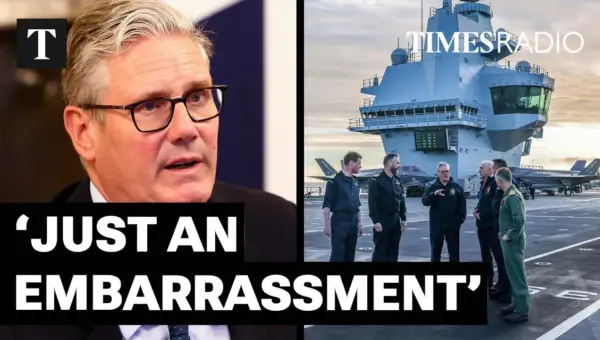
UK Defence Faces ‘Embarrassment’ Amid Funding Gaps
Britain's defense capabilities are facing severe criticism, with experts calling the current state an "embarrassment" due to significant funding gaps and a lack of preparedness for modern warfare. Despite strong rhetoric, the government is urged to make tough decisions on defense spending, which faces a £28 billion shortfall, to address growing global threats. The article explores the disconnect between political statements and actual investment, the evolving nature of warfare, and the challenges of public perception and political will in securing national security.


Starmer Defends Defence Amidst Heated PMQs Exchange
Keir Starmer defended Labour's defence policy during a heated Prime Minister's Questions session, facing scrutiny over military spending and international roles. Political commentator Patrick Maguire analyzed Starmer's strategy to position Labour as strong on national security.

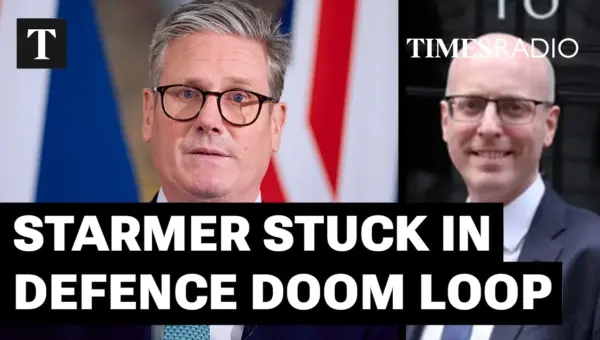
Labour Faces “No-Win” Defense Spending Dilemma
Lord Robertson has launched a strong attack on UK leaders over defense spending, calling it "corrosive complacency." Political Editor Steve Swinford explains Labour faces a "no-win scenario," needing to balance increased defense investment with economic realities and the cost of living crisis.