Supreme Court Rejects Trump’s “Economic Emergency” Tariffs, Sparking Fierce Retaliation Threats
The Supreme Court has reportedly invalidated Donald Trump's "economic emergency" tariff powers, prompting the former president to issue escalating threats of global tariffs and economic destruction. This ruling has reignited debates surrounding executive overreach and the potential invocation of the 25th Amendment.

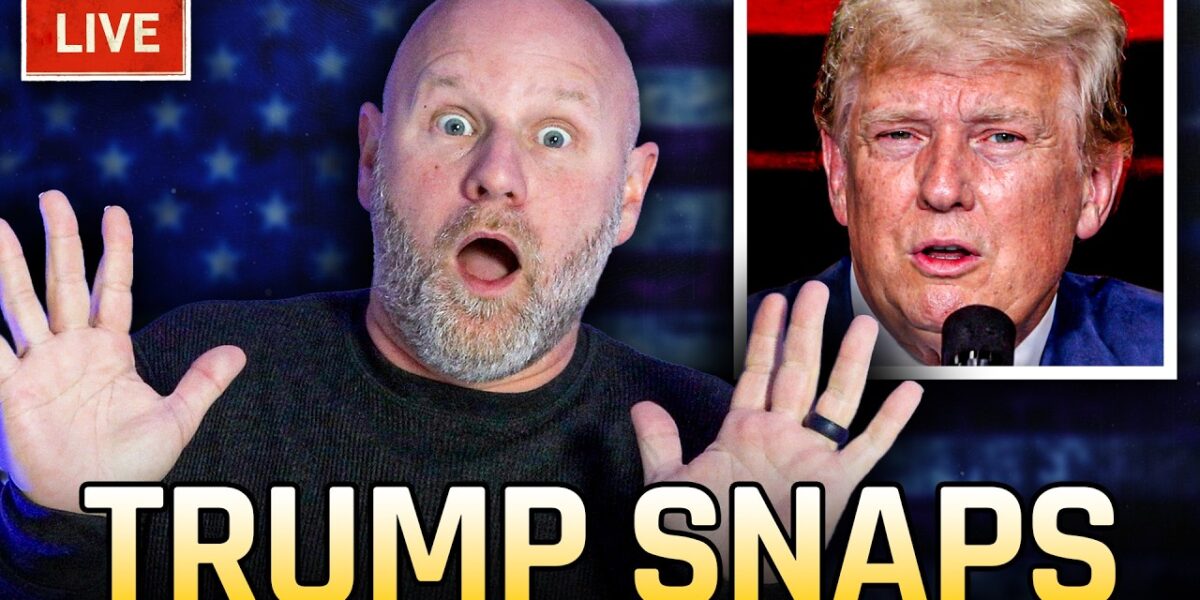
Supreme Court Delivers Blow to Trump’s Tariff Powers, Ex-President Responds with Escalating Rhetoric
In a significant legal and political development, the U.S. Supreme Court has reportedly struck down former President Donald Trump’s authority to impose tariffs based on claims of “economic emergency” powers. This ruling, which has reportedly sent shockwaves through the former president’s camp, has been met with a furious and increasingly volatile response from Trump himself. Over the past four days, public statements and online pronouncements from the former president have been characterized by extreme rhetoric, including threats to impose widespread tariffs and to “destroy” both the United States and other nations.
The core of the dispute revolves around Trump’s asserted ability to bypass traditional legislative and international trade processes by declaring an “economic emergency.” Critics and now, it appears, the highest court in the land, have deemed these powers to be an overreach, potentially based on flimsy or “phony” justifications. The Supreme Court’s decision, if accurately interpreted from the available information, signals a major check on executive power, particularly concerning unilateral trade actions.
Trump’s Escalating Rhetoric and Threats
Following the Supreme Court’s reported decision, Donald Trump has engaged in a public display of anger and defiance. According to observations of his public and online activities, his reactions have been described as “raving like a lunatic.” This intense backlash includes not only a rejection of the court’s ruling but also a dramatic escalation of his proposed trade policies. Trump has allegedly threatened to implement a sweeping 15% tariff on goods from “the entire globe.” This broad-stroke approach to trade policy, if enacted, would represent a significant departure from established international trade norms and could have profound global economic repercussions.
Beyond the economic sphere, Trump’s rhetoric has reportedly taken a more destructive turn. He has allegedly vowed to “destroy” the United States and any other country that he deems an adversary or that does not comply with his demands. This language, described by observers as indicative of a “psychotic breakdown” and a “completely insane” state of mind, has raised serious concerns about his fitness for office and the potential consequences of his actions should he regain power.
Calls for 25th Amendment Invocation Grow
The severity and apparent instability of Trump’s response have fueled renewed calls for the invocation of the 25th Amendment to the U.S. Constitution. This amendment provides a mechanism for removing a president from office if they are deemed unable to discharge the powers and duties of their office due to “inability.” Proponents of this view argue that Trump’s current behavior, characterized by extreme emotional volatility and threats of national and international harm, presents a clear and present danger, making it the “most obvious time” to consider such a measure.
The 25th Amendment, ratified in 1967, has been invoked successfully only once, during a period of incapacitation for President Ronald Reagan following an assassination attempt. It allows for the Vice President and a majority of the Cabinet, or two-thirds of both houses of Congress, to declare the President unfit. The legal and political hurdles to invoking the 25th Amendment are substantial, requiring a consensus among key figures in government that the President is indeed unable to fulfill their duties. However, the escalating rhetoric and alleged mental state of the former president are, for some, crossing a threshold that necessitates serious consideration of this constitutional safeguard.
Broader Implications for Trade Policy and Executive Power
The Supreme Court’s decision, if it indeed limits the executive’s ability to unilaterally impose tariffs under the guise of economic emergencies, has far-reaching implications. It could signal a return to a more deliberative and potentially bipartisan approach to trade policy, where Congress plays a more significant role. Historically, trade policy has been a complex area, often requiring negotiation and consensus-building, both domestically and internationally.
The ability of any president to declare an “economic emergency” and impose tariffs without significant congressional oversight has been a point of contention. Such powers can be used to quickly respond to perceived threats to national economic security, but they also carry the risk of retaliatory measures from trading partners, disruption of global supply chains, and harm to domestic consumers and businesses through higher prices. The Supreme Court’s intervention, in this context, could be seen as reinforcing the separation of powers and ensuring that significant economic decisions are not made unilaterally by the executive branch.
Furthermore, Trump’s threats to impose a 15% tariff on the entire globe highlight a protectionist stance that has been a hallmark of his political platform. While proponents argue that such measures protect domestic industries and jobs, critics contend that they lead to trade wars, economic instability, and ultimately, higher costs for consumers. The potential for such broad-based tariffs to “destroy” economies, as alleged, underscores the delicate balance involved in international trade and the significant power wielded by national leaders in shaping global economic landscapes.
The Role of the Judiciary in Checking Executive Overreach
This situation underscores the critical role of the judiciary in acting as a check on executive power. The Supreme Court, by ruling against Trump’s use of “economic emergency” powers for tariffs, is asserting its authority to interpret the Constitution and limit the scope of presidential actions. This is a fundamental aspect of the U.S. system of checks and balances, designed to prevent any one branch of government from becoming too powerful.
The legal basis for Trump’s asserted powers likely stemmed from interpretations of statutes like Section 232 of the Trade Expansion Act of 1962, which allows the president to adjust imports that threaten national security. However, the line between legitimate national security concerns and politically motivated trade actions can be blurred. The Supreme Court’s decision, by scrutinizing the justification of “economic emergency,” suggests a higher bar for such executive actions, potentially requiring more concrete evidence and a clearer link to established national security threats rather than broader economic or political objectives.
Looking Ahead: Political and Economic Uncertainty
The aftermath of this Supreme Court ruling and Trump’s explosive reaction sets the stage for continued political and economic uncertainty. His threats, if taken seriously by global leaders, could lead to heightened tensions and unpredictable responses from other nations. The economic implications of a potential 15% global tariff are immense, potentially triggering widespread inflation, supply chain disruptions, and a slowdown in global economic growth.
The debate over the 25th Amendment also signals a deep division within the political landscape regarding the temperament and fitness of former President Trump. As the nation approaches future election cycles, the psychological state and policy pronouncements of prominent political figures will undoubtedly remain under intense scrutiny. The legal and political battles surrounding executive power and trade policy are far from over, and the Supreme Court’s recent decision marks a significant, albeit potentially temporary, turning point in this ongoing saga.
Source: Trump Has Psychotic Breakdown After Tariff Defeat (YouTube)

Related Articles

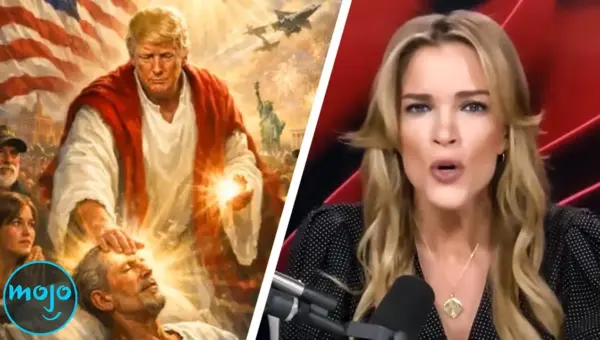
Trump’s Allies Rebel: Conservatives Slam President’s Policies
Prominent conservative figures and lawmakers are openly criticizing President Trump's policies in 2026, signaling a growing divide within the movement. From Candace Owens questioning the Iran conflict to Senator Rand Paul challenging trade policy, a wave of dissent is challenging the president's agenda.
Trump Threatens Fed Chair Powell, Faces Nomination Blockade
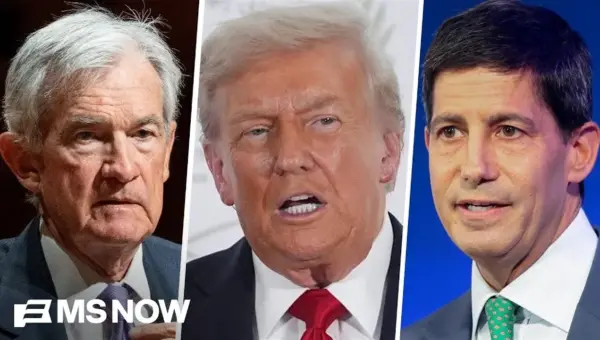
President Trump is threatening to fire Fed Chair Jerome Powell over a renovation probe, creating a political stalemate. Senator Tom Tillis is blocking Trump's nominee, Kevin Warsh, until the investigation concludes. Warsh himself faces scrutiny over his vast personal wealth, estimated between $135-226 million, raising conflict of interest concerns.


Trump’s Grip Weakens as Allies Falter, Democracy’s Future Hinges
Donald Trump's approval ratings are plummeting, even among his core supporters, signaling a potential collapse of the MAGA movement. Global events, like Hungary's shift to democracy, and domestic economic woes are fueling discontent and opening doors for broader political coalitions.