Trump’s Cuba Policy: Bragging About Starvation and Decades of Failed U.S. Intervention
Former President Donald Trump has reportedly bragged about the impact of sanctions on Cuba, including causing starvation and hospital closures. Critics condemn this stance, arguing it reflects decades of failed U.S. policy that prioritizes punitive measures over engagement and human welfare.

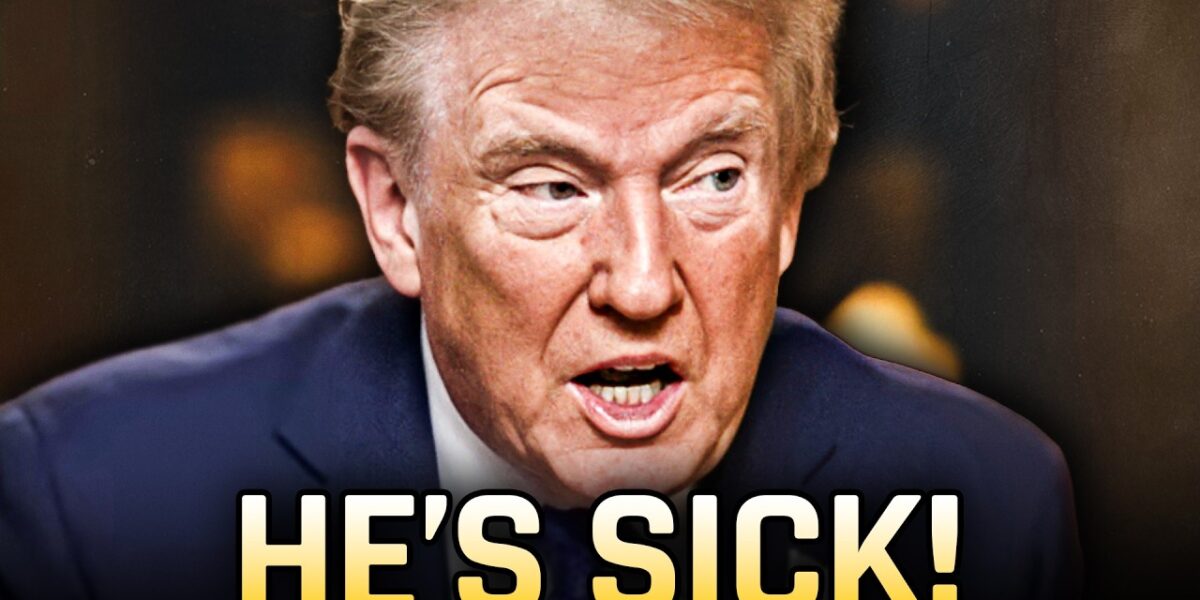
Trump Claims Victory in Cuba Through Starvation, Sparking Outrage Over Humanitarian Impact
In a recent statement to reporters, former President Donald Trump reportedly bragged about the impact of sanctions he imposed on Cuba, claiming responsibility for causing starvation and the closure of hospitals in the island nation. This assertion has drawn sharp criticism, with many labeling Trump’s stance as not only callous but also indicative of a long-standing, and largely ineffective, U.S. Foreign policy towards Cuba.
Decades of U.S. Policy: A Cycle of Intervention and Failure
The current situation in Cuba, and the strong rhetoric surrounding it, is a product of over 70 years of U.S. Policy. Since the Cuban Revolution in 1959, successive U.S. Administrations, both Democratic and Republican, have sought to isolate and pressure the Cuban government, primarily through economic embargoes and sanctions.
The stated goal has often been to promote democracy and human rights on the island. However, critics argue that these policies have disproportionately harmed the Cuban people while failing to achieve their intended political objectives.
The transcript highlights a period of potential détente during the Obama administration, which saw a loosening of travel restrictions and a move towards normalization of relations. This approach aimed to foster engagement and allow the Cuban people to experience greater freedom and potentially inspire internal change. However, upon taking office, Donald Trump reversed many of these policies, tightening the embargo and reimposing restrictions, a move that critics believe exacerbated the suffering of ordinary Cubans.
The ‘Humanitarian Threat’ Argument: A Reversal of Roles
Trump’s comments, as reported, framed the dire situation in Cuba as a ‘humanitarian threat’ stemming from the nation’s internal failures, including a lack of essential resources like jet fuel. He suggested that ongoing talks with Cuba, involving figures like Senator Marco Rubio, should lead to a ‘deal.’ However, the speaker in the transcript reframes this, arguing that Trump and Rubio themselves represent the true humanitarian threats due to policies that inflict hardship on the Cuban population.
The core of this critique lies in the belief that external pressure, particularly sanctions that cause widespread suffering, is counterproductive. The argument posits that instead of fostering change, such policies breed resentment and further entrench the existing regime, while causing immense human cost. The analogy of an ’empire toppled by its enemies can rise again, but one that crumbles from within, that’s dead forever,’ from Captain America: Civil War, is invoked to suggest that genuine, lasting change must originate from within the Cuban populace, not be imposed from the outside through hardship.
Historical Context: U.S. Role in Cuban Instability
The transcript digs into a more uncomfortable historical reality: the United States’ own role in shaping Cuba’s political landscape. It is asserted that the U.S. Has a long history of meddling in Cuban affairs, predating the communist takeover.
Specifically, the transcript mentions the U.S. Backing of dictators, such as Fulgencio Batista, who was overthrown by Fidel Castro. This historical context suggests that many of the problems attributed to the current Cuban government were, in part, facilitated or even created by past U.S. Interventions.
The argument is made that the U.S. Has historically supported leaders who served American interests, even at the expense of democratic aspirations within Cuba. This pattern, critics contend, has led to a cycle of instability and resentment, making genuine self-determination for the Cuban people a more distant goal. The assertion that the U.S. Created many of the problems it now criticizes in Cuba is a significant point of contention, challenging the moral high ground often claimed in U.S. Foreign policy discussions.
The Path Forward: Engagement vs. Isolation
The prevailing sentiment expressed in the transcript is that a policy of engagement, rather than isolation, would be more effective in promoting positive change in Cuba. This approach suggests that normalizing relations, allowing for free trade, and encouraging cultural exchange could lead to a more informed and empowered Cuban population. By allowing Cubans to experience and compare different systems, the hope is that they would then demand improvements and changes from within their own society.
The transcript contrasts this with the current strategy, which it characterizes as ‘shutting people out’ and inflicting suffering. The speaker argues that this isolationist approach has been consistently ineffective for over seven decades, citing the repeated failures of both Democratic and Republican administrations to achieve regime change or significant democratic reforms through such means. The normalization of relations, as pursued under Obama, is presented as a more constructive, albeit ultimately abandoned, path.
Broader Implications: Decency and Human Commonality
Beyond the specific U.S.-Cuba dynamic, the discussion touches upon a broader philosophical point: the importance of human decency and recognizing commonality. The idea that Cubans, like people everywhere, desire a better life and have much in common with people in the U.S. Is emphasized. The argument is that fostering understanding and connection, rather than animosity and deprivation, is the key to building a more peaceful and prosperous world.
The transcript implicitly criticizes the U.S. Government’s general approach to foreign policy, suggesting a recurring difficulty in acting with consistent decency and recognizing shared humanity across borders. While acknowledging potential differences between political parties, the broad critique is that the U.S. Government has often struggled to implement policies that prioritize genuine human well-being and self-determination for other nations.
Conclusion: A Legacy of Failed Policies and Humanitarian Concerns
Donald Trump’s reported bragging about causing starvation in Cuba is a stark illustration of a controversial and long-standing U.S. Foreign policy. Critics argue that such tactics are not only morally reprehensible but also strategically flawed, failing to achieve stated goals while inflicting immense suffering. The historical context of U.S. Intervention in Cuba, coupled with the call for a more engaged and humane approach, suggests a need for a fundamental re-evaluation of how the United States interacts with nations like Cuba, prioritizing shared humanity and sustainable change over punitive isolation.
Source: Trump BRAGS About Causing Starvation In Cuba (YouTube)

Related Articles
Trump Claims Presidential Call; Four Denials Emerge
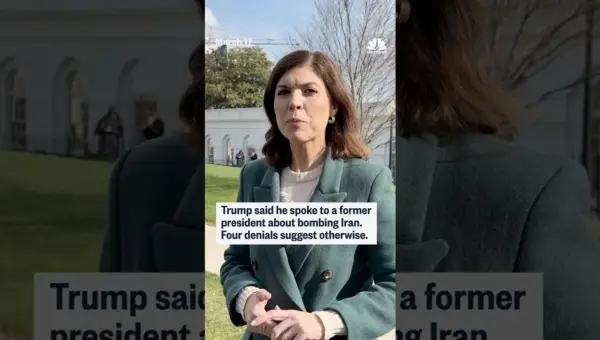
Former President Donald Trump claimed he spoke with a past president who regretted not taking a certain action, implying approval of his own policies. However, aides for George W. Bush, Bill Clinton, Barack Obama, and sources close to Joe Biden have all denied any such conversations occurred. Trump has remained evasive when asked to identify the individual.


Cuba’s Hospitals Fight Power Outages Amid Crisis
Cuban hospitals are facing a critical energy crisis, leading to widespread power outages that endanger patient care. Essential treatments like chemotherapy are threatened as life-saving medicines risk spoiling and equipment fails during blackouts. The crisis also cripples daily life, with fuel shortages and dark streets adding to the widespread hardship.
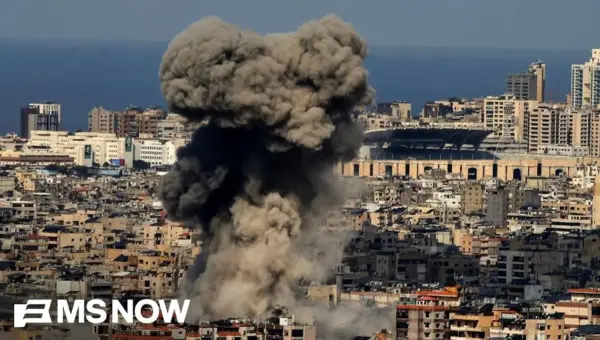
Israel Pushes into Lebanon Amid Fierce Hezbollah Fighting
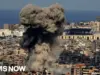
Israeli forces are pushing into new territories in southern Lebanon, facing intense fighting from Hezbollah. The conflict has displaced over a million people in Lebanon, with many children out of school and struggling to find shelter. Meanwhile, the UN Human Rights Office has raised concerns that some Israeli airstrikes may constitute war crimes.