Global Backlash Mounts as Trump’s ‘America First’ Policies Spark International Friction
Global backlash intensifies as the Trump administration's "America First" policies face widespread international criticism. From Greenland's rejection of aid to the EU's trade deal freeze and Mexico's dispute over cartel operations, nations are pushing back against perceived U.S. overreach, signaling strained diplomatic ties.

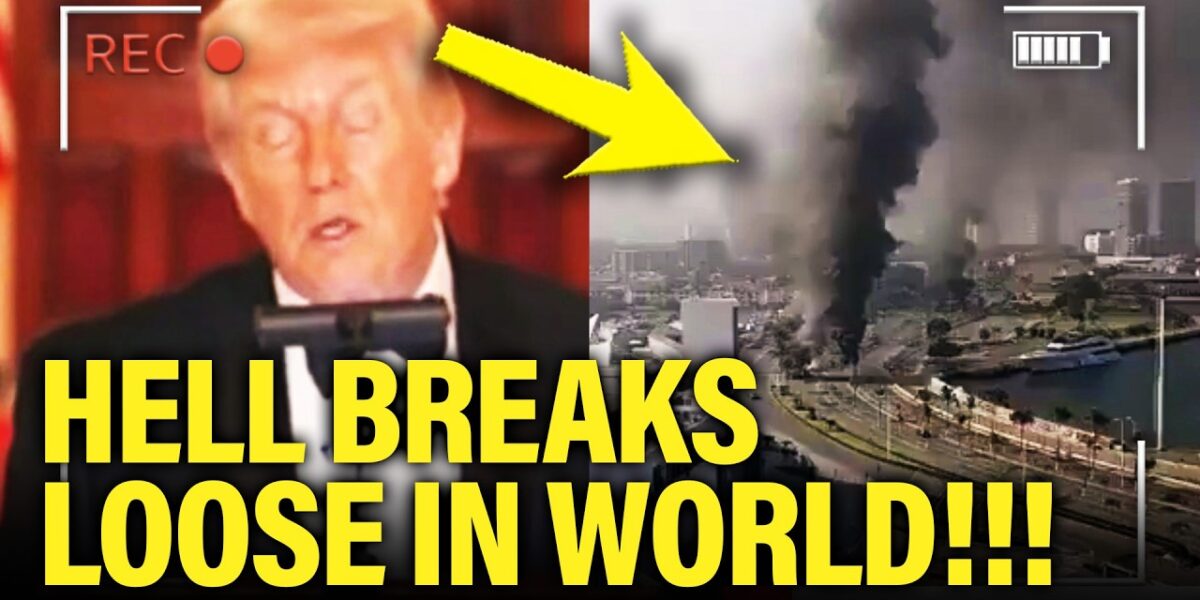
International Relations Under Strain as Trump Administration Faces Widespread Criticism and Rebuffs
The global diplomatic stage is witnessing significant turmoil as actions and statements attributed to the Donald Trump administration are reportedly backfiring, leading to widespread international criticism and strained relationships. From Greenland to the European Union and Mexico, nations are publicly pushing back against perceived American overreach and unilateralism, signaling a potential shift in global alliances and trade dynamics. The core of the friction appears to stem from the “America First” agenda, which critics argue is alienating traditional allies and undermining established international cooperation.
Greenland Rejects Proposed Aid, Cites Self-Sufficiency and Suspicion
In a stark display of defiance, the Premier of Greenland, Múte Bourup Egede, publicly rebuked Donald Trump’s offer of hospital ships, stating, “Don’t you dare say you’re bringing hospital ships to save our people. We don’t need to be saved from you.” This strong rejection highlights a deep-seated suspicion among Greenlandic officials and citizens regarding the true intentions behind such proposals. The Premier emphasized Greenland’s robust public healthcare system, which provides free treatment to its citizens, contrasting it with the cost-based system in the United States. He also stressed that decisions concerning Greenland are made domestically and called for direct dialogue rather than “more or less random statements on social media.”
Further fueling this suspicion was the presence of a U.S. nuclear submarine near Greenland’s coast during a visit by the King of Denmark. After an American soldier fell seriously ill and required immediate medical attention, the submarine surfaced, and Greenlandic authorities reportedly provided assistance. This incident, coupled with unsubstantiated claims about health crises, has led some in Greenland to view the offer of hospital ships as a potential “Trojan horse” for an invasion, a tactic often employed by authoritarian regimes to justify military actions. The governor of Louisiana, Jeff Landry, who was identified as Trump’s envoy to Greenland, defended the offer, claiming to have spoken with Greenlanders about healthcare needs and asserting that a healthy Greenland is vital for America’s national security. However, critics pointed out Louisiana’s own low rankings in healthcare access and outcomes, questioning the envoy’s focus.
European Union Parliament Signals Trade Deal Freeze Amid Tariff Dispute
The European Union Parliament has also signaled a significant cooling of relations, announcing a potential freeze on any trade deal with the United States in response to new tariffs imposed by the Trump administration. The EU parliamentarians expressed strong disapproval of the additional 15% tariff levied against global partners, citing Section 122 of the U.S. Trade Act of 1974. This move comes despite a U.S. Supreme Court ruling that reportedly struck down unlawful tariffs against the world. The EU’s stance suggests a united front against what is perceived as protectionist and destabilizing trade policies, with representatives stating, “We can’t do any deals with you. Get the hell out of here.”
Adding to the diplomatic friction, the French embassy summoned Charles Kushner, the U.S. Ambassador to France, following a statement from the U.S. Embassy in France that urged French authorities to crack down on leftist extremist groups. The U.S. embassy’s perceived interference in French domestic politics, particularly in the wake of a protest-related murder, was deemed “entirely inappropriate” by the French government. The summoning of Kushner, a convicted felon pardoned by Trump, further complicated the diplomatic exchange, raising questions about the caliber of American representation abroad.
Furthermore, the Pentagon has reportedly threatened European nations over their defense procurement directives, which prioritize buying European-made weapons. This European “Europe First” approach mirrors America’s own “America First” military procurement strategies. The U.S. Ambassador to the EU reportedly called this preference “unacceptable” and urged a return to buying American arms. This ultimatum has been met with resistance, as Europe seeks greater defense autonomy, particularly in light of perceived U.S. unpredictability and trade wars. The situation underscores a growing divergence, with Europe asserting its sovereignty in defense and procurement, pushing back against U.S. pressure.
Mexico Disputes U.S. Claims on Cartel Leader’s Death, Cartel Violence Escalates
In a separate development, the alleged U.S. responsibility for the death of cartel leader El Mencho, head of the Jalisco New Generation Cartel, has been contested by Mexico. While some U.S. influencers claimed credit for the operation, Mexico’s embassy in the U.S. clarified that the operation was planned and executed by Mexican special forces, with the U.S. providing complementary intelligence. This dispute highlights the complexities of bilateral cooperation and the sensitivity surrounding sovereignty in counter-narcotics efforts.
The incident has coincided with escalating cartel violence in Mexico, particularly in Guadalajara and Puerto Vallarta. The U.S. administration’s prior threats to invade Mexico over cartel activities now appear more fraught, especially as a significant portion of U.S. military forces are reportedly positioned near Iran, amidst escalating tensions with that nation. The situation in Mexico underscores the volatile nature of regional security and the challenges of international cooperation in combating transnational organized crime.
Tensions with Iran Escalate Amidst Domestic Political Concerns
The Trump administration’s posture towards Iran has also drawn scrutiny, with reports of significant U.S. military assets, including two aircraft carrier groups, being deployed off the Iranian coast. Steve Witcoff, described as a Trump confidant, expressed surprise that Iran had not yet “capitulated” under such pressure. However, analysts suggest that Iran may perceive the U.S. as lacking international allies and the resolve for a protracted conflict, viewing potential U.S. actions as limited strikes rather than full-scale war.
Concerns have been raised that a potential conflict with Iran could serve as a “wag the dog” scenario, intended to distract from domestic issues, including ongoing investigations and controversies. The transcript explicitly links potential military action against Iran to covering up alleged child sex trafficking rings and the Epstein files. Furthermore, the administration’s handling of past protests in Iran, where Trump allegedly encouraged dissent and then failed to provide support when a crackdown occurred, has been criticized as a betrayal of democratic aspirations within Iran.
The transcript also alleges that the U.S. military presence near Venezuela, where an alleged invasion occurred with subsequent oil revenue being diverted to a private Qatari bank account controlled by Trump, prevented effective support for Iranian protesters. This narrative paints a picture of U.S. foreign policy being driven by personal financial interests and a desire for quick, symbolic victories rather than strategic long-term goals.
Authoritarian Tactics and Global Isolation
The article draws parallels between the Trump administration’s rhetoric and actions and those of authoritarian regimes. The use of fabricated pretexts for potential military actions, as seen in the Greenland hospital ship offer, is likened to propaganda tactics used by leaders like Vladimir Putin to justify territorial claims. The strategy of repeating a “big lie” as a brainwashing technique is also highlighted.
The diminishing influence of the United States on the global stage is further evidenced by the composition of a purported “Board of Peace” meeting, which allegedly lacked participation from traditional U.S. allies and instead featured authoritarian regimes. The allocation of $10 billion in taxpayer funds to a “Board of Peace” bank account allegedly controlled by Trump raises concerns about financial impropriety and the misuse of public funds.
The article concludes by emphasizing the international scope of the MAGA movement and the need for pro-democracy forces to counter it at a global level. The perceived weakening of the U.S. on the international stage, coupled with a series of diplomatic setbacks and accusations of unilateralism, suggests a period of significant global recalibration. The author stresses that viewing these challenges through a purely domestic lens is akin to bringing a “butter knife to a fight against an F-35,” underscoring the need for a comprehensive, international response.
Broader Implications and Future Outlook
The events described suggest a potential erosion of long-standing alliances and a fragmentation of the international order. The “America First” approach, while appealing to a domestic base, appears to be fostering an environment of distrust and isolation for the United States. The EU’s move towards greater defense autonomy, India’s recalibration of trade relations, and Greenland’s assertion of sovereignty all point towards a world where nations are increasingly prioritizing their own interests and seeking diversified partnerships.
The narrative also raises critical questions about the role of leadership, the impact of rhetoric on international stability, and the potential for personal interests to influence foreign policy. As the global landscape continues to shift, the repercussions of these actions and reactions will likely shape international relations and trade for years to come. The ongoing challenges, from trade disputes and security concerns to the very nature of democratic governance, demand careful observation and strategic engagement from all stakeholders.
Source: All HELL BREAKS LOOSE as Trump Attack on World BACKFIRES!!! (YouTube)

Related Articles
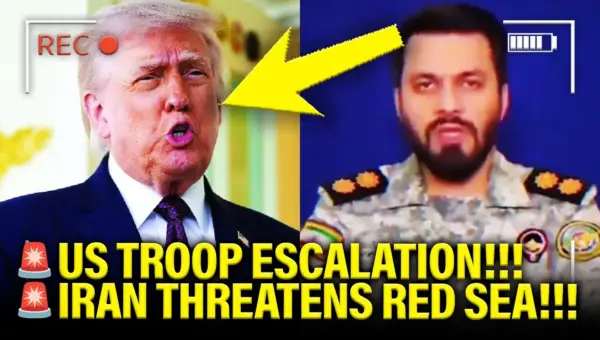
Trump’s Middle East Gambit: Escalation or Empty Threat?
The US is sending troops and imposing a blockade in the Middle East, signaling escalation. Yet, conflicting messages from Donald Trump suggest peace is near. This analysis explores the contradictory actions, Iran's defiant response, and the potential global economic and political fallout.

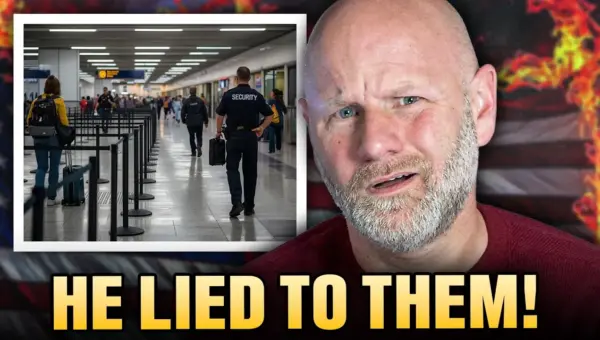
Trump’s Memo: A Political Play, Not a Paycheck Promise
A presidential memo intended to pay TSA workers during a shutdown was more political theater than a legal solution. Lacking the constitutional "power of the purse," the memo offered false hope, highlighting the separation of powers and the limits of executive authority.

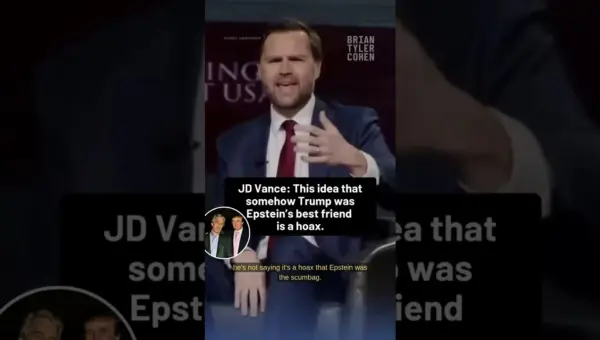
Vance Defends Trump: Epstein Friendship Claim Is A Hoax
Senator JD Vance asserts that claims of Donald Trump being close friends with Jeffrey Epstein are a "hoax." Vance cited emails suggesting a mutual dislike and even Trump reporting Epstein to authorities, arguing this refutes the "best friend" narrative pushed by Democrats.