Royal Reckoning: Prince Andrew Arrested in Epstein Information Leak Probe, Shaking Monarchy to its Core
Prince Andrew has been arrested on suspicion of misconduct in public office over allegations he passed sensitive government information to convicted sex offender Jeffrey Epstein. This unprecedented development, triggered by newly released U.S. Justice Department documents, has sent shockwaves through the UK and reignited calls for accountability, forcing King Charles III to navigate a profound crisis for the monarchy.

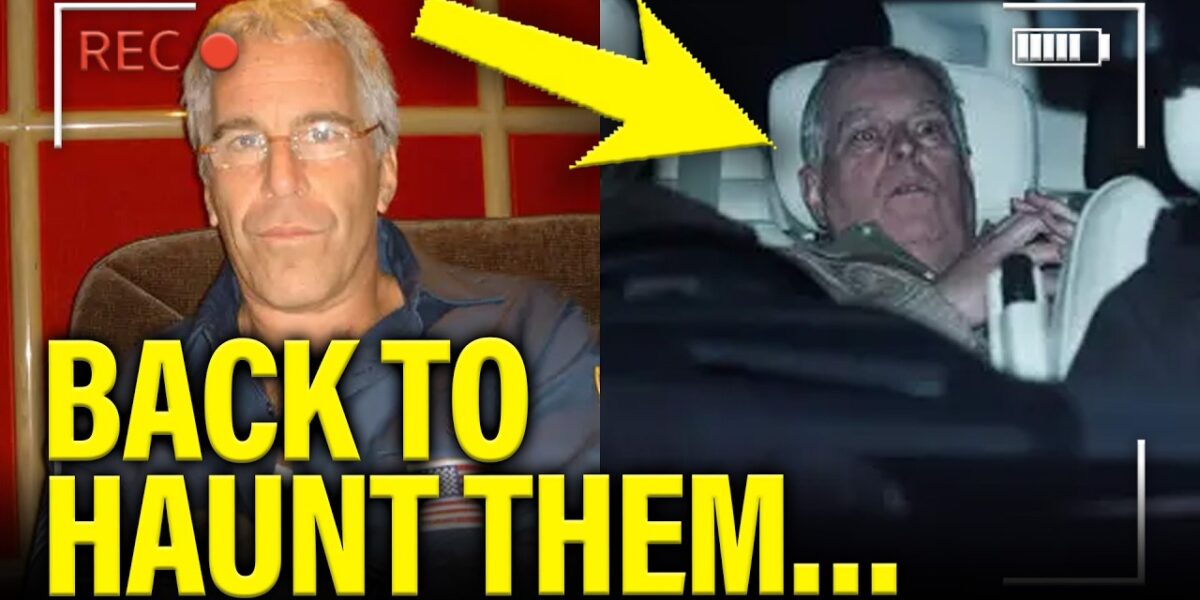
Royal Reckoning: Prince Andrew Arrested in Epstein Information Leak Probe, Shaking Monarchy to its Core
The United Kingdom finds itself gripped by an unprecedented royal scandal, as Prince Andrew, Duke of York, once a prominent figure within the British monarchy, has been arrested on suspicion of misconduct in public office. This extraordinary development marks one of the most dramatic reversals of fortune in modern royal history, plunging the House of Windsor into a profound crisis and reigniting the contentious debate surrounding elite accountability.
Andrew Mountbatten-Windsor, 66, brother to King Charles III and once lauded as a globe-trotting trade envoy, was detained by authorities following the release of newly unsealed U.S. Justice Department documents. These documents, part of the broader Jeffrey Epstein files, contained emails allegedly suggesting that in 2010, Andrew forwarded confidential government trade briefings to the late convicted sex offender, Jeffrey Epstein. The allegations have sent shockwaves through the UK and beyond, forcing the monarchy to confront its most severe test of legitimacy in decades.
The arrest, which saw police search his residences in Berkshire and Norfolk before questioning him for hours, underscores a stark reality: even those born into the apex of constitutional privilege are not immune from legal scrutiny. While Andrew has consistently denied wrongdoing in all matters related to Epstein, the public revelation of these emails directly contradicts earlier assurances that he had severed ties with the disgraced financier years prior. This latest twist deepens public anger and skepticism, fueling a long-simmering demand for full transparency and accountability.
The Allegations: Misconduct in Public Office and Sensitive Information
At the heart of the current investigation lies the serious offense of misconduct in public office. This charge, which carries severe potential penalties under UK law, centers on whether Prince Andrew abused his position as Britain’s international trade representative by sharing sensitive government information with a private individual, Jeffrey Epstein. The U.S. Justice Department documents reportedly reveal email exchanges where Andrew allegedly passed on details of official trips to crucial economic hubs, including Hong Kong, Vietnam, and Singapore. More alarmingly, one exchange reportedly shows Andrew soliciting Epstein’s views on potential investment opportunities in Afghanistan’s volatile Helmand Province.
The implication of these exchanges is profound. Within minutes of receiving confidential government materials, Andrew allegedly forwarded them to Epstein. Such actions, if proven, represent a significant breach of trust and a potential compromise of national interests. The role of a trade envoy, even a ceremonial one, demands the highest standards of fiduciary responsibility and discretion. Sharing sensitive information, particularly with an individual later exposed as a serial sex offender and international financier with shadowy connections, raises serious questions about judgment, security protocols, and the integrity of public office.
Misconduct in public office is a common law offense in England and Wales, defined by the abuse of power by a public officer in exercising functions of a public office, without reasonable excuse or justification. The elements typically require that a public officer acts, or fails to act, in a way that amounts to a breach of the duties of that office, that the conduct is willful, and that it involves an abuse of the public’s trust. The mere fact of Andrew’s arrest on suspicion of such an offense, regardless of whether formal charges are ultimately brought, highlights the gravity with which authorities are treating these allegations.
A Royal Career in Decline: From Envoy to Exile
Prince Andrew’s journey from a celebrated royal figure to a criminal suspect has been a long and painful one, punctuated by a series of scandals that have progressively eroded his public standing and royal privileges. Born third child and second son of Queen Elizabeth II and Prince Philip, Andrew enjoyed a privileged upbringing and a distinguished military career, serving as a helicopter pilot in the Falklands War. He was once considered a popular and active member of the Royal Family, often dubbed the Queen’s ‘favourite son’.
In 2001, he was appointed UK Special Representative for International Trade and Investment (SRIT), a role he held for a decade. In this capacity, he travelled extensively, promoting British business interests and acting as a diplomatic figurehead. It was during this period, specifically in 2010, that the alleged information sharing with Epstein occurred. His role as SRIT provided him access to sensitive government briefings and high-level contacts, making the alleged breach particularly concerning.
However, his association with Jeffrey Epstein began much earlier, in the late 1990s, and would ultimately become the catalyst for his spectacular downfall. Despite Epstein’s initial conviction for soliciting prostitution from a minor in 2008, Andrew maintained a friendship with him, even visiting him in New York in 2010 – a period that now coincides with the alleged email exchanges. This continued association, against public advice and royal protocol, laid the groundwork for the current crisis.
The earlier revelations regarding his friendship with Epstein, particularly the infamous 2019 BBC Newsnight interview, proved disastrous. His attempts to explain his relationship with Epstein and deny allegations of sexual abuse were widely criticized as evasive and lacking empathy. This interview, coupled with mounting public pressure, led to his withdrawal from public duties and the stripping of his military titles and royal patronages by King Charles III in 2022. He was also effectively evicted from his Windsor residence, Royal Lodge, and exiled from public royal life. The current arrest is not merely another chapter in this saga but a significant escalation, moving from reputational damage to direct criminal suspicion.
Virginia Giuffre: The Catalyst for Accountability
The shadow of Jeffrey Epstein’s vast sex trafficking network looms large over Prince Andrew’s predicament, and at the heart of the ongoing fight for accountability stands Virginia Giuffre (née Roberts). Giuffre’s unwavering courage and legal battles have been pivotal in exposing Epstein’s heinous crimes and his powerful associates, including Andrew. Giuffre alleged that Epstein arranged for her to be sexually abused by Andrew on three occasions, including when she was 17, a minor under U.S. law. Andrew has always vehemently denied these accusations.
Giuffre’s legal journey began in 2009 when she filed suit against Epstein, alleging she had been trafficked and exploited. Her persistence continued, notably in 2015, when she sued Ghislaine Maxwell for defamation after Maxwell publicly branded her a liar. This litigation proved crucial, contributing significantly to the broader investigation that ultimately led to Maxwell’s criminal conviction for sex trafficking minors in 2021. Giuffre’s relentless pursuit of justice has been a driving force behind the unraveling of Epstein’s network and has given a voice to countless other survivors.
In 2022, Andrew settled Giuffre’s civil lawsuit, filed in the U.S., with a multi-million-pound payment. Crucially, this settlement was made without any admission of liability on Andrew’s part. Despite the lack of an admission, the payment was widely interpreted as an attempt to avoid a potentially damaging public trial and further scrutiny. For Virginia Giuffre’s family, Andrew’s arrest represents a long-delayed vindication. In statements following the news, they expressed it as proof that no one, not even royalty, stands above the law, echoing the sentiments of many who have followed this protracted saga.
Political and Royal Reactions: A Monarchy Under Duress
The arrest has triggered a flurry of reactions, both within the UK and internationally, underscoring the far-reaching implications of the scandal. British Prime Minister Keir Starmer, while refraining from commenting on the specifics of an ongoing investigation, emphasized the fundamental principle that “no one is above the law” and urged Prince Andrew to cooperate fully with authorities. This statement reflects a clear commitment from the government to uphold the rule of law, regardless of an individual’s status.
In stark contrast, former U.S. President Donald Trump, himself named in the Epstein files, offered a controversial take, calling Andrew’s arrest “a shame for the royal family.” Trump, who claimed to have been “totally exonerated” from any wrongdoing related to Epstein, appeared to prioritize the monarchy’s image over the pursuit of justice for victims, a sentiment that was widely criticized for missing the point of accountability.
At the very epicentre of the storm stands King Charles III. Facing an unprecedented challenge to the monarchy’s reputation, the King issued a carefully worded statement declaring that “the law must take its course” and pledging full cooperation with investigators. This public stance is not merely a formality; it represents a brutal but clear calculus for the monarch. The survival and legitimacy of the monarchy, particularly in a modern democratic society, hinges not on coercive power but on public consent and moral symbolism. Any perception that royal status confers immunity from legal scrutiny would corrode this essential foundation.
King Charles has already demonstrated his willingness to prioritize the institution over personal loyalty. His decisive action in stripping his brother of royal titles and military patronages after earlier Epstein-related revelations signaled a clear message. Andrew’s current status as a man under criminal investigation further solidifies the King’s position: if preserving the crown requires sacrificing his brother’s remaining privileges or even accepting his prosecution, then so be it. This approach is a declaration that the monarchy’s integrity supersedes blood ties, reflecting a pragmatic understanding of how to navigate contemporary demands for transparency and accountability.
The Monarchy’s Evolving Role and Public Trust
The British monarchy has weathered numerous storms throughout its long history, including abdications, divorces, and various scandals. However, criminal suspicion directed at a senior royal cuts differently. It strikes at the very heart of the institution’s carefully curated image of stability, tradition, and ethical conduct. For centuries, the monarchy has embodied a certain mystique, an aura of being separate and above the ordinary. This perception, while fading in modern times, still contributes significantly to its soft power and cultural influence.
The current crisis underscores a profound shift in societal expectations surrounding privilege and power. In an increasingly interconnected and scrutinizing world, the public demands that even the highest echelons of society are held to the same legal and ethical standards as everyone else. The Epstein saga, more broadly, has exposed how wealth, connections, and prestige shielded predatory behavior for years, fostering a widespread reckoning with elite impunity. Prince Andrew’s association with Epstein came to symbolize how proximity to power could blur ethical boundaries and create a perceived shield against accountability.
Critics argue that the Royal Family has often acted reactively, rather than proactively, in managing Andrew’s controversies. They contend that his gradual sidelining reflected public relations management rather than genuine moral outrage, with each disclosure seemingly prompting reactive distancing rather than proactive accountability. In this view, Andrew’s arrest is another chapter where external events forced the Palace’s hand, challenging the narrative that the monarchy is always ahead of public sentiment.
However, the spectacle of a former prince being driven from a police station, head bowed, is unprecedented in modern times. It sends a powerful message that the rule of law, however imperfectly applied at times, is ultimately intended to be universal. This symbolism is not lost on the public, particularly those who have long advocated for greater accountability from powerful institutions and individuals.
Beyond Personal Embarrassment: National Security Implications
While the focus has largely been on Prince Andrew’s personal conduct and his association with Epstein, the specific nature of the allegations – sharing sensitive government information – introduces a layer of national security concern. Even if the information shared was not classified at the highest levels, any disclosure of confidential trade briefings, official travel itineraries, or strategic investment insights to an unauthorized private individual, particularly one with Epstein’s known penchant for leveraging information and cultivating influence, is deeply problematic.
Such disclosures could potentially provide foreign adversaries or unscrupulous actors with valuable intelligence regarding UK diplomatic and economic strategies, vulnerabilities in specific regions, or even insights into the movements and contacts of a senior royal. The fact that Andrew allegedly solicited Epstein’s views on potential investment opportunities in a conflict zone like Helmand Province further amplifies these concerns, suggesting a blurring of lines between official duties and private interests, with a deeply compromised individual.
The investigation into misconduct in public office will undoubtedly examine the precise nature of the information shared, its potential impact, and whether Andrew understood the implications of his actions. The outcome of this aspect of the probe could have broader ramifications for how public officials, especially those in quasi-diplomatic roles, are vetted, trained, and monitored regarding their interactions with private individuals and the handling of sensitive state information.
The Path Ahead: Uncertainty and Irreversible Damage
Whether prosecutors ultimately bring formal charges against Prince Andrew remains uncertain. Police have emphasized the importance of objectivity and the integrity of the ongoing investigation, adhering to due process. Andrew’s legal team continues to maintain his innocence. The decision to charge will rest with the Crown Prosecution Service (CPS), which will evaluate the evidence gathered by the police against the public interest test and the evidential test required for a prosecution in the UK.
However, even in the absence of a conviction, the reputational damage to Prince Andrew is irreversible. The man once dubbed a globe-trotting ambassador for British commerce is now synonymous with scandal, criminal suspicion, and his deeply problematic association with Jeffrey Epstein. His public image has been irrevocably tarnished, and his return to any form of public royal life is now virtually inconceivable.
In the final analysis, Andrew Mountbatten-Windsor’s story transcends that of a single disgraced royal. It is a powerful illustration of the collision between inherited status and the modern demands of accountability. Institutions that rely on public trust cannot afford ambiguity about the rule of law. By allowing the investigation to proceed and by stripping his brother of royal standing, King Charles has signaled that the monarchy’s future depends on drawing that line clearly and unequivocally.
For survivors of abuse, for critics of entrenched privilege, and for defenders of constitutional norms, the image of a former prince under arrest carries potent symbolism. It suggests that even the highest birthright offers no absolute shield from justice. And in that symbolism lies the monarchy’s stark choice: evolve with the demands of justice and accountability, or risk being judged by them, potentially undermining the very foundation of its existence in the 21st century.
Source: UK ROCKED by HORRIFYING Epstein Revelations (YouTube)

Related Articles


FBI Docs Contradict Melania’s Epstein Introduction Claims
Newly surfaced FBI documents challenge Melania Trump's recent claims about not being introduced to Donald Trump by Jeffrey Epstein. Witness testimony suggests Epstein facilitated the introduction, contradicting Melania's public statements and raising questions about her associations and those of figures like Paulo Zampoli.

Epstein Files: Survivor Disputes DOJ Claims of Full Release
A survivor of Jeffrey Epstein's abuse, Danielle Bensky, disputes the Justice Department's claim that all relevant files have been released. Citing specific missing documents and contradictory official statements, Bensky believes more information is being withheld, potentially to protect powerful individuals. Despite frustrations, she notes progress in how sexual assault cases are generally handled.


Vance Defends Trump: Epstein Friendship Claim Is A Hoax
Senator JD Vance asserts that claims of Donald Trump being close friends with Jeffrey Epstein are a "hoax." Vance cited emails suggesting a mutual dislike and even Trump reporting Epstein to authorities, arguing this refutes the "best friend" narrative pushed by Democrats.