59% Can’t Cover Emergencies; You Might Be Winning
Despite widespread financial anxiety, many Americans are doing better than they realize. Key indicators like emergency savings, controlled debt, and consistent investing suggest you might be winning, even if it doesn't feel like it. Avoid social media comparisons and focus on building your own financial security.

Most Americans Struggle With Unexpected Costs
A staggering 59% of Americans cannot cover a $1,000 emergency expense using only their savings. This means a single unexpected bill, like a car repair or a medical issue, would force more than half the country to rely on credit cards. This reality stands in stark contrast to the seemingly perfect lives often portrayed on social media. Many people feel financially behind, but the truth is, they might be doing much better than they believe.
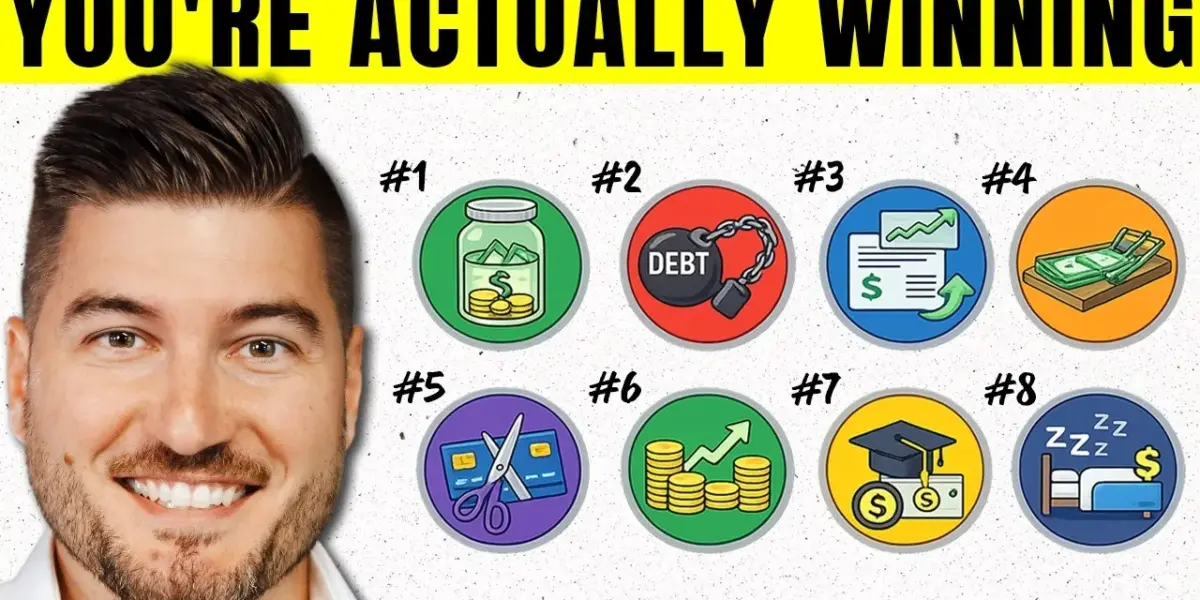
Eight Signs You’re Financially Ahead
Despite the common feeling of falling short, several key indicators suggest you are actually succeeding with your finances. These signs often go unnoticed amidst the pressure of comparison and the curated online world.
1. You Can Handle an Emergency Fund
Having even a small amount saved, like a couple of thousand dollars, puts you ahead of over half the country. The standard advice is to save three to six months of living expenses. However, having nine to 18 months of expenses offers greater security. This financial cushion provides valuable time if job loss occurs, reducing stress and preventing desperate financial decisions. It buys peace of mind, which is often worth more than any interest earned.
2. Your Debt Is Under Control
Debt can sneak up on individuals through small, regular payments. A key metric lenders use is the debt-to-income ratio, which ideally should be below 36%. This ratio compares your total monthly debt payments to your gross monthly income. If you are below this threshold, you are likely managing your debt effectively. For context, the average American carrying a credit card balance owes about $7,886. With interest rates above 20%, this balance can double. Total U.S. consumer debt has surpassed $18.57 trillion, with credit card debt alone hitting a record $1.27 trillion. Paying off credit cards in full or keeping balances low indicates strong debt management.
3. You Aren’t Living Paycheck to Paycheck
Research shows about two-thirds of Americans live paycheck to paycheck, including 44% of those earning over $100,000 annually. This situation, often fueled by lifestyle inflation, means income doesn’t always match expenses. Having even a small buffer between your bank balance and zero provides significant relief. This buffer reduces stress, allowing for proactive financial planning instead of reactive decisions driven by panic.
4. You’ve Stopped Comparing Your Finances to Others
Social media often presents a highlight reel of luxury vacations and possessions, creating a false sense of inadequacy. Many people shown living lavishly are either in significant debt or come from wealthy backgrounds. Comparing your reality to others’ curated online lives can negatively impact your financial well-being. For instance, the median net worth for Americans aged 35-44 is $135,600. Focusing on building your own desired life, rather than competing with online personas, is crucial for genuine financial progress.
5. Your Credit Score Is Decent
While obsessing over credit scores isn’t necessary, a good score is important. It impacts loan rates, insurance premiums, and even rental applications. The average FICO score in the U.S. is around 713, considered good. Scores above 740 typically unlock the best interest rates. Key factors influencing your score are consistent on-time payments and low credit utilization (keeping credit card balances below 30% of the limit).
6. You Are Investing for the Future
Only about 54% of Americans have any retirement account, and roughly 62% own stocks. This leaves a large portion of the population vulnerable to inflation eroding their savings. Simply having an investment account, like a 401(k) or IRA, and contributing regularly places you ahead of many. The average retirement account balance for those in their late 30s and early 40s is just over $92,000. Capturing employer matches in a 401(k) provides an instant, guaranteed return. Aiming to invest 20-25% of your income and utilizing simple, automatic investing in index funds or ETFs can build wealth steadily over time.
7. You Are Continuously Learning
High-net-worth individuals often share a habit of continuous learning and skill development. Increasing your knowledge and skills enhances your value in the marketplace, leading to higher earning potential. In a rapidly changing economy, adaptability and valuable skills are key to financial security. Asking yourself if you’ve taken steps in the last year to improve your skills or knowledge—through courses, books, or other learning resources—is a good indicator of progress.
8. You Can Sleep at Night
Financial stress is a major cause of sleep problems, health issues, and relationship breakdowns. True wealth includes peace of mind, knowing you can handle unexpected events without falling into crisis. This sense of security, rather than just the accumulation of money, is a significant marker of financial success. Money cannot buy time or health, making peace of mind a priceless asset.
What Investors Should Know
The article highlights that financial success isn’t about extreme wealth but about achieving stability and security. Key takeaways for investors include:
- Emergency Preparedness: Building an emergency fund is paramount.
- Debt Management: Controlling debt-to-income ratios and credit card usage is vital.
- Consistent Investing: Regular contributions to retirement and investment accounts, even small amounts, are crucial for long-term wealth building.
- Continuous Learning: Investing in oneself through skill development can boost earning potential.
- Mindset Matters: Avoiding social comparison and focusing on personal financial goals leads to greater contentment and less stress.
Ultimately, achieving financial well-being is about building a solid foundation, managing risks, and fostering a mindset of growth and security, rather than chasing external validation or comparing oneself to others.
Source: 8 Signs You're Winning With Money (Even If It Doesn't Feel Like It) (YouTube)

Related Articles


$10,000 Chanel Bag Sparks Luxury Goods Debate
A recent $10,000 Chanel bag purchase highlights the high-end luxury market's spending power. The conversation also delves into the prevalence and quality of counterfeit luxury goods, questioning the value proposition of designer items. This trend impacts how investors view the luxury sector's future.


Gen Z Sparks Record Retirement Savings Surge
Generation Z is driving record contributions to retirement accounts, starting earlier and saving more than previous generations. Fueled by accessible online information and a desire to avoid past mistakes, Gen Z's proactive approach is setting a new standard for early retirement planning.


Restaurant Deals: Smart Ways to Enjoy Dining Out
Dining out doesn't have to break the bank. Smart strategies like eating beforehand and ordering the least expensive item, often a salad, can save money. Using cash for payment simplifies bill splitting, avoiding common frustrations with unevenly shared costs.