4.8% Yields Spark Debt Spiral Fears for US Economy
U.S. bond yields are approaching a critical 4.6% to 4.8% level, sparking fears of a 'debt death spiral.' This cycle occurs as higher borrowing costs increase deficits, leading to more debt and even higher rates. The nation's $40 trillion debt and its rapid growth amplify these concerns.


Bond Yields Approach Danger Zone, Threatening Economic Stability
Concerns are mounting as U.S. bond yields edge closer to a critical threshold that could trigger a “debt death spiral.” Analysts point to a range between 4.6% and 4.8% as a danger zone. Crossing this level could significantly strain the nation’s finances, impacting borrowing costs and economic growth.
Understanding the Debt Death Spiral
A debt death spiral describes a dangerous economic feedback loop. When borrowing becomes more expensive, government deficits increase. These larger deficits require more borrowing from investors. This increased demand for borrowing pushes interest rates even higher, making it even more expensive to borrow. It’s a continuous cycle that can quickly spiral out of control.
The Role of Rising Interest Rates
As bond yields, which represent the return investors get on government debt, rise, the cost for the U.S. government to finance its debt also increases. This is particularly concerning given the nation’s substantial debt load.
US National Debt Reaches Alarming Levels
The United States now carries a national debt approaching $40 trillion. This massive figure is not just a static number; its rapid growth is a primary concern for economists and policymakers. Federal Reserve Chair Jerome Powell has recently commented on the unsustainable rate of debt growth, warning of negative future consequences.
Unsustainable Growth Rate
The issue isn’t solely the $40 trillion total. It’s the accelerating pace at which this debt is accumulating. This rapid expansion places a heavy burden not only on the current generation but also on future generations who will inherit the financial obligations. The rising cost of servicing this debt due to higher yields further exacerbates the problem.
Market Impact and Investor Considerations
What Investors Should Know
Rising bond yields can have significant implications for various investment classes. For example, when bond yields go up, newly issued bonds offer higher interest payments, making older, lower-yielding bonds less attractive. This can cause the price of existing bonds to fall.
Furthermore, higher borrowing costs can affect corporate profits. Companies that rely on debt to fund operations or expansion may see their expenses increase, potentially impacting their stock prices. Investors often look for companies with strong balance sheets and less debt in such an environment.
Sector and Index Performance
Different sectors of the economy react differently to rising interest rates. Interest-sensitive sectors, such as real estate and utilities, can be negatively impacted as borrowing costs rise. Conversely, some financial institutions might benefit from higher net interest margins, though this can be offset by increased loan defaults if the economy slows significantly.
Long-Term Implications
The long-term implications of a persistent debt death spiral could include slower economic growth, higher inflation, and reduced government spending on public services. If the U.S. government faces significantly higher interest payments, it may need to cut spending in other areas or raise taxes, both of which can dampen economic activity. This scenario could lead to a prolonged period of economic stagnation.
The Federal Reserve’s Role
The Federal Reserve plays a crucial role in managing interest rates through its monetary policy. While the Fed aims to control inflation, its actions can also influence the cost of government borrowing. The current environment presents a delicate balancing act for the Fed, seeking to cool inflation without tipping the economy into a recession or exacerbating the national debt concerns.
Looking Ahead
As bond yields continue to fluctuate, investors will be closely watching economic indicators and the Federal Reserve’s policy decisions. The potential for yields to reach the 4.6% to 4.8% danger zone remains a key point of focus, highlighting the ongoing sensitivity of the U.S. economy to its debt levels and borrowing costs.
Source: What Happens When Bond Yields Keep Rising? (YouTube)

Related Articles


Stocks Rebound as Inflation Cools, Economy Shows Strength
Stocks are showing renewed strength as core inflation remains stable at 2.6% and the U.S. economy demonstrates robust growth. Despite geopolitical tensions impacting oil prices, the market is adapting, supported by strong corporate earnings forecasts.

Iran Cease-Fire Eases Oil Prices, But Inflation Still Bites
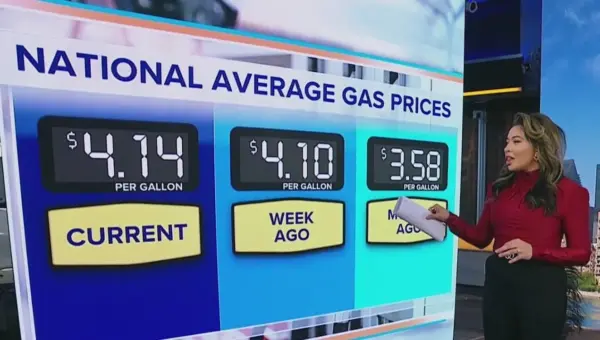
A cease-fire in the Iran conflict has led to a significant drop in oil futures and is starting to lower gas prices. However, U.S. inflation remains a concern, with consumer prices rising and real earnings falling. This comes as the economy shows signs of slowing down, impacting consumer confidence.


GOP Vows to Fund Homeland Security, Block Iran War Powers
Republicans plan to prioritize funding for the Department of Homeland Security and block Democratic efforts to restrict President Trump's actions on Iran. Congressman Buddy Carter highlighted concerns over government waste and the growing national debt, while noting a trend of economic migration to business-friendly states.