30-Somethings Overlook Key Tax Strategy
Financial experts highlight the critical importance for individuals in their 30s to strategically manage three distinct tax "buckets": tax-free, tax-deferred, and after-tax accounts. Overlooking this strategy can lead to missed opportunities for significant long-term tax savings.

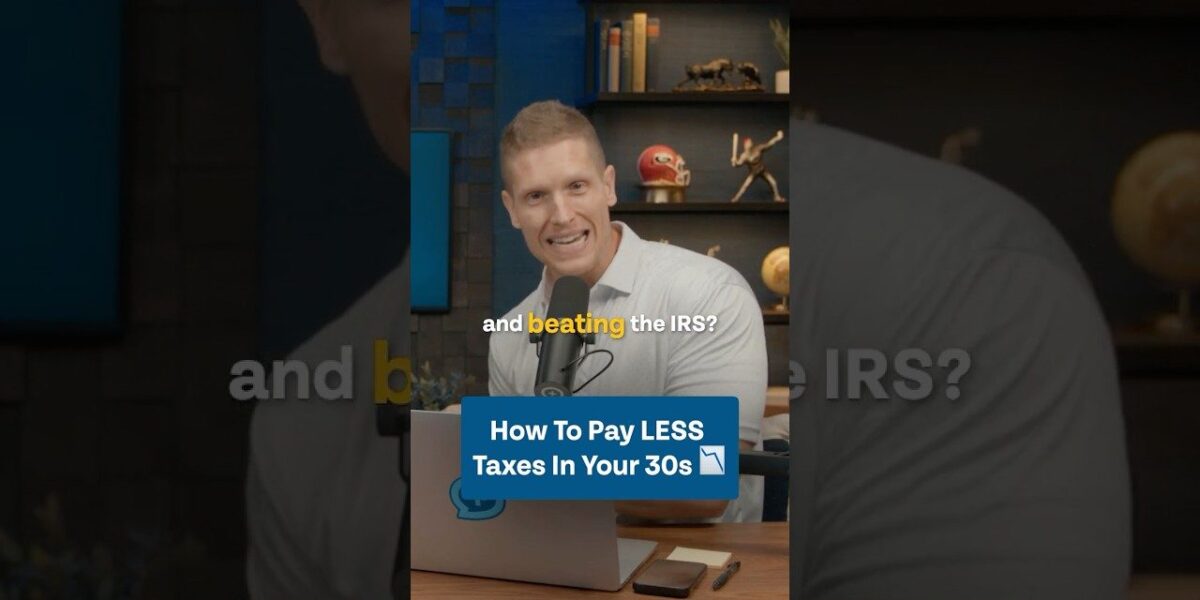
30-Somethings Overlook Key Tax Strategy
Many individuals in their 30s are missing a crucial opportunity to significantly lower their tax liabilities and optimize their financial future. The strategy centers on a deliberate approach to managing three distinct tax “buckets,” a concept often overlooked by those focused on immediate financial goals rather than long-term tax efficiency.
Understanding the Three Tax Buckets
Financial experts emphasize the importance of intentionality when allocating funds across three primary tax accounts: tax-free, tax-deferred, and after-tax. This framework, often integrated into comprehensive financial planning, provides a roadmap for minimizing tax obligations over an individual’s lifetime.
1. Tax-Free Accounts
These accounts offer the most significant tax advantage. Contributions made to tax-free accounts, such as Roth IRAs or Roth 401(k)s, grow without incurring federal income tax, and qualified withdrawals in retirement are also tax-free. While there are typically income limitations and contribution caps, maximizing these accounts early can lead to substantial tax savings down the line.
2. Tax-Deferred Accounts
Tax-deferred accounts, including traditional IRAs and traditional 401(k)s, allow contributions to grow without being taxed until withdrawal. This means that taxes are not paid on the investment earnings each year. While withdrawals in retirement are taxed as ordinary income, the deferral of taxes allows for greater compounding of returns over time. This strategy is particularly beneficial for those who anticipate being in a lower tax bracket during retirement than they are during their peak earning years.
3. After-Tax (Taxable) Accounts
These are standard brokerage accounts where investments are made with after-tax dollars. Any dividends, interest, or capital gains realized within these accounts are subject to taxation in the year they are earned or realized. While they do not offer the tax benefits of the other two buckets, they provide the most flexibility and liquidity. For individuals pursuing early retirement or those who have maxed out their tax-advantaged options, these accounts serve as crucial “bridge accounts” to fund expenses before retirement accounts become accessible without penalty.
The Strategic Advantage for 30-Year-Olds
The 30s represent a critical decade for wealth accumulation and strategic financial planning. By the time individuals reach their 30s, they are often in their prime earning years, making them prime candidates to contribute significantly to all three tax buckets. However, many tend to prioritize immediate needs or simple savings vehicles, neglecting the long-term tax implications of their choices.
A common oversight is the failure to adequately fund tax-free accounts, particularly Roth options, early in one’s career. The power of compounding is amplified when tax-free growth is involved. For instance, money contributed to a Roth IRA in one’s 30s has decades to grow, and all that growth can be withdrawn tax-free in retirement, provided the account has been open for at least five years and the individual meets age requirements. Similarly, understanding the benefits of tax-deferred accounts for individuals who expect their tax rate to decrease in retirement is paramount.
The “after-tax” bucket, while taxable, plays a vital role. It offers easy access to funds, which is particularly important for those aiming for early retirement. These accounts can bridge the gap between leaving the workforce and being able to access retirement funds without incurring early withdrawal penalties. Without sufficient funds in these taxable accounts, early retirees might be forced to tap into tax-deferred or tax-free accounts prematurely, potentially incurring taxes or penalties that could have been avoided with proper planning.
Market Impact and Investor Considerations
The way individuals structure their savings has a ripple effect on broader market dynamics. A population that actively utilizes tax-advantaged accounts can lead to more stable long-term investment flows. Conversely, an over-reliance on taxable accounts, especially for long-term goals, can lead to higher annual tax revenues for the government but may also result in a less efficient accumulation of private wealth due to the drag of annual taxation.
For investors in their 30s, the key takeaway is to move beyond a one-size-fits-all savings approach. It requires understanding personal income projections, expected tax rates in retirement, and liquidity needs. The IRS offers these distinct tax treatments for a reason, and leveraging them strategically can significantly enhance net worth over a 30-to-40-year investment horizon.
What Investors Should Know
- Prioritize Roth Contributions: If eligible, maximizing contributions to Roth IRAs and Roth 401(k)s in your 30s allows for tax-free growth and withdrawals in retirement.
- Evaluate Tax-Deferred Benefits: For those anticipating a lower tax bracket in retirement, traditional IRAs and 401(k)s offer valuable tax deferral advantages.
- Utilize Taxable Accounts Strategically: These accounts are essential for liquidity and bridging income gaps, especially for early retirement goals, but understand the tax implications of dividends and capital gains.
- Long-Term Perspective: The 30s are a pivotal decade for establishing tax-efficient saving habits that compound over decades.
- Seek Professional Guidance: Consulting with a financial advisor can help tailor a tax strategy to individual circumstances and long-term objectives.
By adopting a deliberate and informed approach to these three tax buckets, individuals in their 30s can significantly improve their long-term financial outcomes, potentially saving tens, if not hundreds, of thousands of dollars in taxes over their lifetimes.
Source: Most 30-Year-Olds Miss This Tax Strategy (YouTube)

Related Articles


$100K Salary Illusion: Why You’re Not Richer
A $100,000 salary, once a symbol of financial achievement, now often leaves individuals feeling surprisingly strained. This article explores how inflation, taxes, psychological spending pressures, and a misunderstanding of income versus wealth contribute to this modern financial paradox, offering strategies to build a sustainable margin.


Unlock ‘Free Money’: The Employer Match Advantage
Discover the power of employer retirement plan matches, a critical step often referred to as 'free money.' Learn how this benefit, combined with tax-advantaged accounts like Roth IRAs and HSAs, can significantly accelerate your wealth accumulation.


Real Estate Riches: Stuck Despite Property Gains
Many individuals amass significant wealth through real estate but still feel financially constrained. This article explores the common pitfalls of illiquidity, excessive debt, and lack of diversification that can trap wealth despite property gains. It emphasizes the need for strategic financial planning and asset diversification beyond real estate for true financial freedom.