$3 Billion Weekly Surge: Prediction Markets Explode
Prediction markets, where people bet on future events, are experiencing explosive growth, with weekly trading volume soaring to $3 billion. Major platforms like Kalshi and Polymarket are partnering with mainstream entities, but face significant regulatory and ethical challenges. The future of these markets hinges on legal outcomes and their ability to balance innovation with oversight.

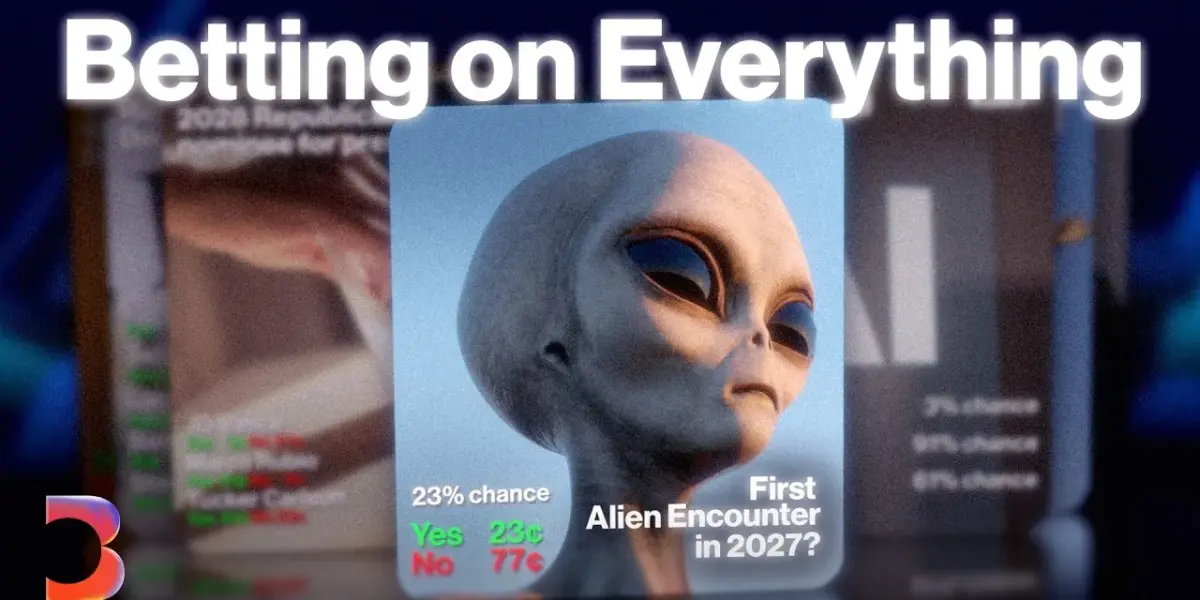
Prediction Markets See Explosive Growth, Trading $3 Billion Weekly
Online platforms where people bet on future events, known as prediction markets, have seen a massive surge in popularity and trading volume. These markets, including major players like Kalshi and Polymarket, allow users to trade contracts based on the likelihood of specific outcomes, ranging from political elections to sports results and even abstract concepts.
The scale of this growth is staggering. Kalshi, for instance, is now handling approximately $3 billion in notional trading volume each week. This is a dramatic increase from the $30 million it was managing at the start of 2025, representing a 100-fold jump in just a few months. Polymarket is experiencing similar exponential growth, signaling a significant shift in how individuals engage with information and potential future events.
Mainstream Acceptance and Growing Partnerships
These platforms are rapidly moving into the mainstream. Kalshi has partnered with news organizations like CNN and CNBC, and Google has announced plans to integrate Kalshi’s data into its services. MLB has named Polymarket its official prediction market partner. Furthermore, the owner of the New York Stock Exchange has taken a stake in Polymarket, indicating strong institutional interest.
This increased visibility means that terms like “Polymarket” and “Kalshi” are becoming part of everyday conversation. The trend suggests that prediction markets are evolving from niche platforms to widely recognized tools for gauging public sentiment and future possibilities.
How Prediction Markets Work
At their core, prediction markets function like exchanges for event outcomes. Users buy or sell contracts that pay out a fixed amount, typically $1, if a specific event occurs. For example, a contract might be for “Will it rain in Central Park tomorrow?” If you believe it will rain, you buy a “yes” contract. If you believe it won’t, you buy a “no” contract.
The price of these contracts, which can range from one cent to 99 cents, is determined by supply and demand. This price essentially reflects the market’s collective probability assessment of that event happening. Unlike traditional gambling, these platforms do not act as a “house” taking the opposite side of bets. Instead, they facilitate peer-to-peer trading and earn revenue through transaction fees.
From the perspective of the platforms, this is not gambling but rather trading a derivative, similar to financial instruments like wheat futures. These markets are regulated by the Commodity Futures Trading Commission (CFTC) on a federal level, focusing on yes/no outcomes.
The Appeal: From Student Loans to Sports Betting
The allure of prediction markets is multifaceted. For some, they offer a tangible way to profit from knowledge and analysis. Stories have emerged of individuals paying off student loans or even funding their graduate studies through successful trades. This highlights the potential for these platforms to provide real financial benefits to astute participants.
Sports betting has become a dominant force in the prediction market landscape. As of March, roughly 70% of Kalshi’s weekly trading volume was related to sports. This surge follows the legalization of sports betting in nearly 40 U.S. states since the Supreme Court struck down a federal ban in 2018. States are generating billions in tax revenue from legal sports betting, and prediction markets are now a significant, and largely untaxed, channel for this activity.
Politics is another major area of interest. Both Kalshi and Polymarket gained significant traction around the 2024 U.S. presidential election. Notably, prediction markets accurately forecast certain political outcomes, sometimes more precisely than traditional polling. For instance, some markets suggested Donald Trump would win more accurately than polls did, boosting the reputation of these platforms as reliable indicators.
Controversies and Ethical Concerns
Despite their rapid rise, prediction markets face significant criticism and ethical questions. One major concern is the “financialization of everything,” where sensitive or potentially harmful events become subjects of trade. The ethics of betting on military actions, for example, are heavily debated.
The increasing complexity and specificity of markets also raise concerns about gameability and market manipulation. Insider trading is a particular point of contention. While strict rules govern insider trading in traditional finance, prediction markets can sometimes incentivize the disclosure of non-public information, with individuals profiting from it. A notable case involved an individual who reportedly made $400,000 on Polymarket by betting on the removal of Nicolas Maduro from office, suggesting prior knowledge of the event.
Furthermore, the low trading volume in some niche markets means that relatively small amounts of money can significantly move prices, making them more susceptible to manipulation. While Polymarket and Kalshi have introduced rules to curb trading on non-public information, these measures do not entirely eliminate the possibility of profiting from insider knowledge.
Ethical boundaries are also pushed by the ability to bet on conflict or violence. While Kalshi prohibits bets on topics like assassination or terrorism due to CFTC guidelines, Polymarket, operating internationally, allows markets on a wider range of ethically questionable subjects.
Regulatory Battles and Future Outlook
The regulatory landscape for prediction markets is complex and contested. Several U.S. states have sued Kalshi and Polymarket, arguing that their operations constitute illegal sports gambling and fall under state jurisdiction. Arizona, for example, has filed criminal charges against Kalshi, accusing it of operating an illegal gambling business. These companies, however, view such actions as an overreach and are prepared to fight in court.
The outcome of these legal battles could drastically alter the business models of prediction market companies. If courts rule that trading on these platforms is equivalent to sports betting, states could impose regulations and tax revenues, fundamentally changing how these companies operate.
Looking ahead, Polymarket has become federally registered and is resuming some operations in the U.S., often accessible via VPNs by users in the interim. Kalshi aims to expand globally, with ambitions to be available in 140 countries. The future of these markets hinges on regulatory clarity and the resolution of ongoing legal challenges.
Market Impact and What Investors Should Know
Prediction markets are attracting a diverse user base, from those seeking entertainment to sophisticated traders aiming to profit from information. While some participants, like 25-year-old teacher Brandon Fean, approach these markets with diligent research, treating them akin to professional investing, many others, particularly younger males, are reportedly losing money. Analysis suggests a pattern similar to Wall Street, where larger, more professional investors tend to win more often, while smaller, less experienced traders face greater losses.
The core value proposition for prediction markets is their ability to aggregate information and provide probabilistic insights into future events. For investors, this can be seen as a novel form of market intelligence, offering a different perspective than traditional financial analysis. However, the risks are substantial, including regulatory uncertainty, the potential for market manipulation, and the ethical considerations surrounding the subject matter of the bets.
The rapid growth and increasing mainstream integration suggest that prediction markets are likely to remain a significant force. However, their long-term viability and structure will heavily depend on how regulatory and legal challenges are resolved. Investors should be aware that this is a rapidly evolving space with both high potential rewards and significant risks.
Source: How Prediction Markets Turned the World Into a Casino (YouTube)

Related Articles

AI’s ‘Mythos’ Model Sparks Financial Security Fears
Advanced AI models like Anthropic's 'Mythos' are raising alarms among financial leaders due to potential cybersecurity risks. While OpenAI prepares its 'Spud' model, experts like Nicholas Carlini highlight Mythos's ability to find and chain software vulnerabilities, surpassing human researchers. This development prompts urgent discussions about securing financial markets against sophisticated AI-driven threats.


Lawmakers Probe Geopolitical Betting Platform for Insider Trading
Lawmakers are demanding an investigation into the prediction market platform Polymarket due to anonymous bets placed on major geopolitical events hours before they happened. Concerns are mounting over potential insider trading and national security risks, as the platform's use of cryptocurrency makes user identities difficult to trace.


Prediction Markets Profit From U.S.-Iran Ceasefire Deal
Prediction markets, where users bet on future events, are facing scrutiny after users reportedly profited significantly from the U.S.-Iran ceasefire. Concerns about insider trading are growing as platforms like Polymarket see increased activity and large payouts.