2028 Hopefuls Court Black Voters Amid Shifting Alliances
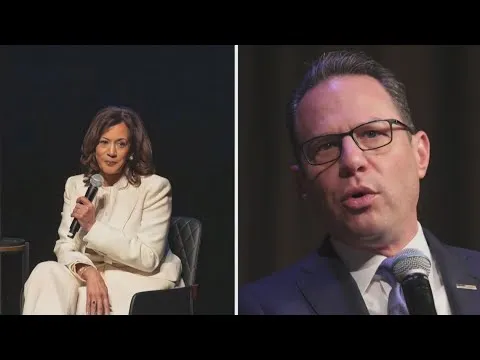
Potential Democratic presidential candidates are actively seeking support from Black voters at Reverend Al Sharpton's National Action Network convention. Figures like Kamala Harris, Wes Moore, and Hakeem Jeffries are making their pitches, highlighting the ongoing importance of this demographic in future elections.

2028 Hopefuls Court Black Voters Amid Shifting Alliances
Potential Democratic presidential candidates are actively seeking support from Black voters. This effort is particularly visible at Reverend Al Sharpton’s National Action Network (NAN) annual convention in New York City. Several prominent Democrats are using this platform to make their case for a 2028 run. This event highlights the ongoing importance of the Black vote in Democratic politics and the early jockeying for position in the next presidential election cycle.
The convention agenda features a notable lineup of figures. Maryland Governor Wes Moore and House Minority Leader Hakeem Jeffries are expected to speak. Illinois Governor J.B. Pritzker is also on the schedule. These appearances offer a chance for these politicians to connect with a key demographic. They can also test their messages and gauge support among influential community leaders.
Key Figures and Their Ambitions
Former Vice President Kamala Harris is scheduled to appear. Her presence could help her secure her standing in what is shaping up to be a crowded 2028 field. Harris was the party’s nominee in 2024 after President Biden withdrew. Pennsylvania Governor Josh Shapiro is also expected to attend. When asked about a potential run, Shapiro did not confirm but did not rule it out. He emphasized the need for Democrats to define their core values and vision.
Shapiro stated, “If we have this national referendum in the midterms and if people show up in record numbers, we have an opportunity to have a real debate within our party about what we stand for, about what our affirmative vision is.” He added, “What I can tell you for sure is that I want to be a part of that debate.” This suggests a desire to shape the party’s future direction. He also indicated he wants to be part of the 2028 Democratic presidential conversation.
Contenders and Absenteeism
California Governor Gavin Newsom, another potential contender, is not attending due to a scheduling conflict. His absence removes him from direct engagement with the NAN audience at this specific event. Meanwhile, New York City Mayor Eric Adams, also considered a potential candidate, has been speaking at the convention. He used the opportunity to highlight his administration’s work and connect with voters.
The strategy for these potential candidates is clear. They are visiting influential gatherings and speaking to key voting blocs. This is a common tactic in presidential politics. It allows them to build name recognition and demonstrate their commitment to important issues. For Black voters, this means they are being directly addressed by those seeking the highest office.
Historical Context and Voter Importance
Black voters have historically been a crucial part of the Democratic coalition. Their support has been vital in numerous presidential elections. The Democratic Party often relies on high turnout from Black communities to win. Therefore, any candidate seeking the nomination must demonstrate a strong connection with these voters. This convention is a prime opportunity to do just that.
The early engagement shows that candidates recognize this reality. They are not waiting until the general election to appeal to this demographic. Instead, they are starting the groundwork now. This includes attending events hosted by influential organizations like the National Action Network. These groups provide direct access to a significant and engaged segment of the electorate.
Global Impact
While this event focuses on domestic politics, the strategies employed have broader implications. The Democratic Party’s platform and its candidates’ messages are shaped by the needs and concerns of its diverse base. Highlighting the importance of Black voters underscores the party’s commitment to issues of racial justice and economic equality. These are themes that resonate globally.
The focus on specific demographics also reflects a broader trend in political campaigning. Candidates are increasingly tailoring their messages to appeal to various groups. This can lead to more nuanced policy discussions. However, it also carries the risk of alienating other segments of the electorate if not handled carefully. The success of candidates in appealing to Black voters will influence the party’s overall direction and its ability to win future elections.
Future Scenarios
Several scenarios could unfold from these early efforts. Some candidates may build strong momentum by effectively connecting with Black voters. This could position them as frontrunners for the 2028 nomination. Others might struggle to gain traction, leading them to reconsider their presidential ambitions. The field could narrow significantly as candidates prove their appeal or lack thereof.
The outcome of these early appeals will also depend on other factors. The political climate in 2028, the performance of the incumbent party, and the emergence of unexpected candidates will all play a role. However, the consistent focus on Black voters at events like the NAN convention signals their enduring importance. It shows that candidates understand that winning their support is a key step toward the presidency.
Source: 2028 Democratic hopefuls make pitch to Black voters | Morning in America (YouTube)

Related Articles

Democrats Vie for Black Voters in 2028 Race
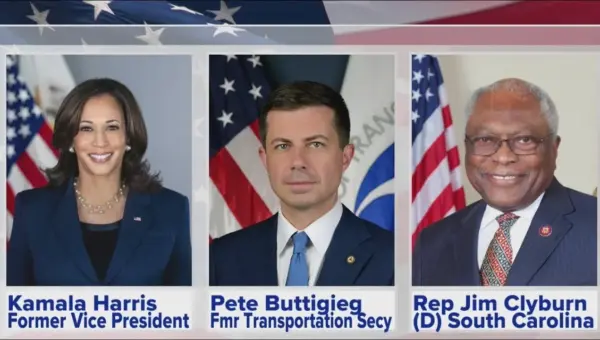
Democratic hopefuls are actively seeking support from Black voters ahead of the 2028 presidential election. Key figures like Kamala Harris, along with several governors, are attending conventions and making strategic visits to critical states. They aim to address voter concerns on economic issues and foreign policy, echoing historical efforts to engage this vital demographic.

Democrats Aid Trump by Focusing on Impeachment
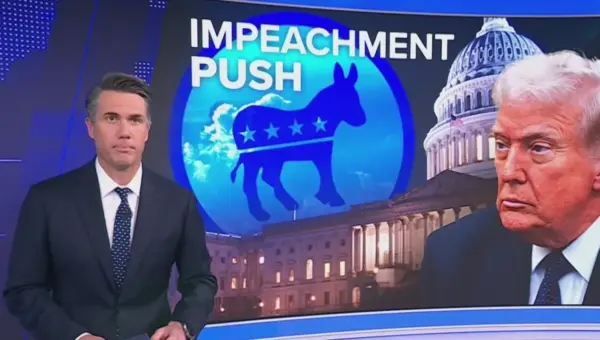
Democrats are inadvertently aiding President Trump by focusing heavily on impeachment efforts rather than addressing key economic issues like inflation and gas prices. This strategy risks alienating voters and distracts from critical foreign policy challenges, potentially impacting global stability and power dynamics.

Democrats Called ‘Weak,’ ‘Spineless’ by Own Voters
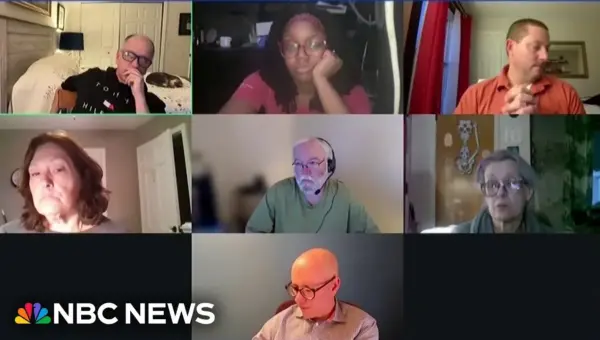
Democratic voters in key swing states have sharply criticized their own party, labeling it 'weak' and 'floundering.' A recent focus group revealed that while dissatisfaction is high, electability is the top priority for voters aiming to win control of Congress in November.