2026 Hyundai Tucson Hybrid N Line: Sporty Looks, Sensible Powertrain
The 2026 Hyundai Tucson Hybrid N Line brings sporty styling and efficient hybrid power to the compact SUV segment. With 231 horsepower and impressive fuel economy, it offers a compelling blend of performance and practicality for everyday driving.

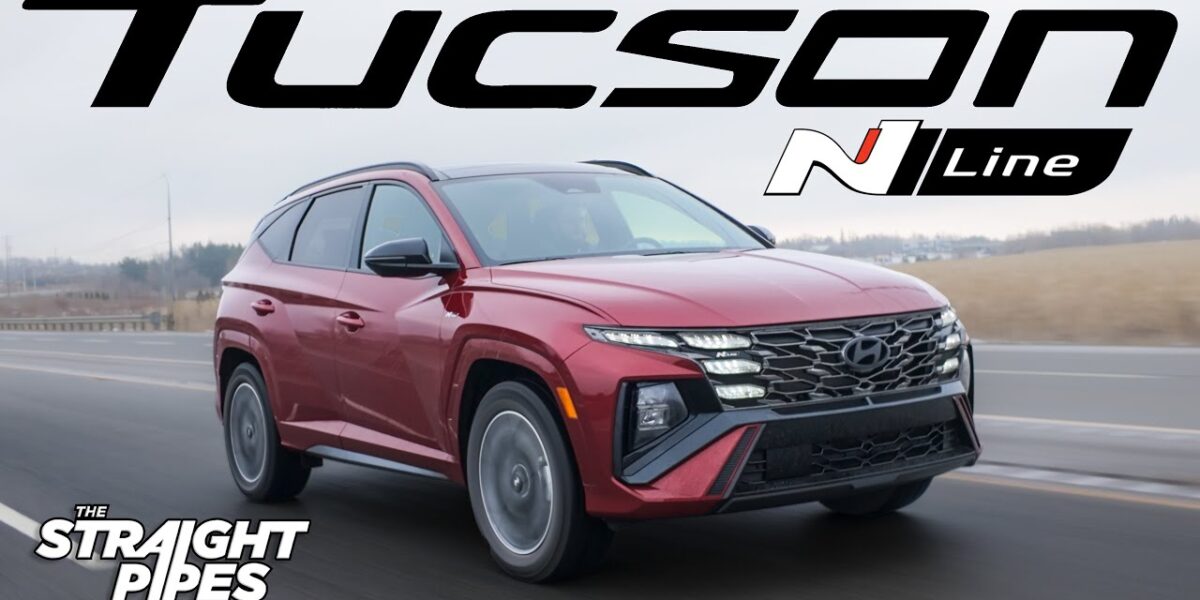
2026 Hyundai Tucson Hybrid N Line: A Blend of Sport and Sensibility
The 2026 Hyundai Tucson Hybrid N Line arrives with a refreshed aesthetic and a powertrain that aims to balance spirited driving with everyday practicality. While it may not redefine the compact SUV segment, it offers a compelling package for those seeking a stylish, efficient, and comfortable daily driver with a hint of sportiness. This N Line variant builds upon the well-regarded Tucson Hybrid formula, adding visual flair and a few subtle performance enhancements.
Performance and Powertrain
Under the hood, the Tucson Hybrid N Line is powered by a 1.6-liter turbocharged four-cylinder engine working in tandem with an electric motor. This hybrid setup delivers a combined output of 231 horsepower and 271 pound-feet of torque. This is a notable increase over some non-hybrid variants and provides a satisfying surge of power, especially when the electric motor fills in the gaps before the turbo spools up. The power delivery is smooth and responsive, making for an engaging driving experience, particularly in city driving where the hybrid system excels at low-speed torque fill.
The transmission is a conventional six-speed automatic, eschewing the often-criticized continuously variable transmissions (CVTs) found in some competitors. This offers a more traditional and predictable shifting experience. While Hyundai doesn’t officially provide a 0-60 mph time for this specific configuration, anecdotal evidence suggests it’s more than capable for everyday acceleration needs. The hybrid system also contributes to excellent fuel economy, with Hyundai quoting a combined rating of 6.7 liters per 100 kilometers (approximately 35 MPG US), a figure that makes it a very economical choice in its class.
Exterior and N Line Styling
The N Line treatment gives the Tucson a more aggressive and sporty appearance. Key visual differentiators include a unique grille pattern, redesigned front and rear bumpers, and subtle aerodynamic enhancements like a rear diffuser and a small rear spoiler. The N Line badge is a discreet addition, signaling the sportier intent of this trim. The wheels are also specific to the N Line, though they bear a resemblance to those found on the Volkswagen Tiguan. The overall design, while perhaps no longer groundbreaking, remains contemporary and attractive, fitting well within Hyundai’s bold design language.
Interior and Technology
Inside, the 2026 Tucson Hybrid N Line offers a comfortable and functional space. Hyundai has made significant improvements since previous iterations, notably by reintroducing a generous array of hard buttons for essential functions. This is a welcome change from purely touch-based interfaces, making it easier and safer to operate controls while driving. The interior features a blend of materials, with the N Line seats offering a sporty, suede-like texture. Higher trims would typically offer leather or more premium surfaces.
The dual-screen setup, a hallmark of modern Hyundai interiors, is present here, providing clear displays for instrumentation and infotainment. Apple CarPlay and Android Auto are supported, and the system is generally user-friendly. However, this particular N Line trim comes with a standard reverse camera, meaning buyers looking for a 360-degree view will need to opt for a higher trim level. This is one of the compromises made to achieve a more accessible price point for the N Line styling.
Notable interior features include comfortable rear seats with ample legroom, making it a practical choice for families. The inclusion of a traditional dipstick for oil checks is appreciated by those who prefer hands-on maintenance, and Hyundai recommends Total Energies Quartz INEOS XC 50W20 for this hybrid powertrain. The sound system is reported to be quite good, offering clear audio for music and podcasts.
Value and Target Buyer
The 2026 Hyundai Tucson Hybrid N Line is positioned as a value-oriented option for buyers who want a stylish and fuel-efficient compact SUV. The N Line trim, while not the absolute top-tier, offers a good balance of sporty aesthetics and hybrid efficiency at a competitive price. Pricing for this near-top-trim model is around $46,999 CAD, with the fully loaded top trim pushing closer to $50,000 CAD. The decision between trims often comes down to specific feature wants; for instance, the jump to the top trim for features like seat presets and a 360-degree camera is substantial, leading some to suggest a ‘base or top’ trim philosophy.
The target buyer is likely someone who appreciates the fuel savings of a hybrid but doesn’t want to sacrifice style. They are looking for a dependable daily driver that feels a bit more engaging and visually distinct than the average compact SUV. The N Line’s sportier touches appeal to those who want their vehicle to look as dynamic as it feels, without the high cost or complexity of a true performance model. While not as overtly sporty as a dedicated performance variant (like the discontinued Kona N), the Tucson Hybrid N Line offers a satisfying blend of practicality, efficiency, and visual appeal.
Verdict
The 2026 Hyundai Tucson Hybrid N Line is a solid contender in the crowded compact SUV market. It successfully combines the efficiency of its hybrid powertrain with the sporty styling cues of the N Line trim. The improvements to the interior, particularly the addition of physical buttons, enhance the user experience. While some feature compromises exist on non-top trims, the overall package offers good value, excellent fuel economy, and a comfortable ride. It’s a sensible choice for families and individuals seeking a well-rounded, stylish, and economical SUV.
Source: WORTH IT? 2026 Hyundai Tucson Hybrid N Line Review (YouTube)

Related Articles
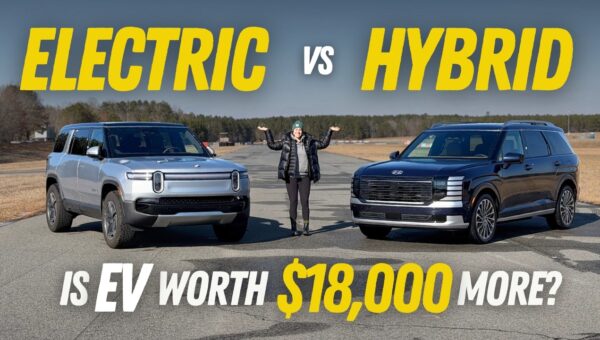
Hyundai Palisade Hybrid: A Hybrid SUV That Challenges EVs
The Hyundai Palisade Hybrid Calligraphy offers a luxurious and feature-rich experience that significantly undercuts the price of entry-level electric SUVs like the Rivian R1S. This raises questions about the current value proposition of EVs for the average consumer.

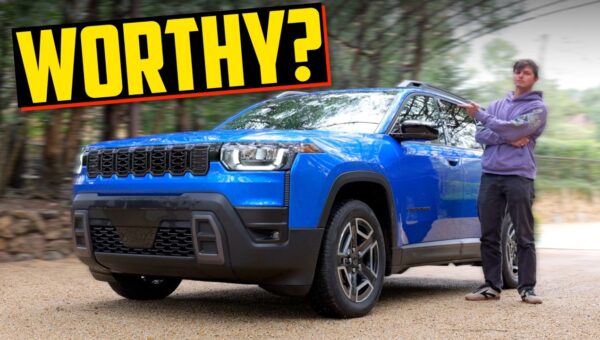
2026 Jeep Cherokee: A Hybrid SUV Reimagined
The 2026 Jeep Cherokee arrives with a significant hybrid powertrain, standard all-wheel drive, and a refreshed, rugged exterior design. It aims to balance efficiency with Jeep's traditional capability, offering up to 37 mpg combined and a comfortable ride for daily driving.

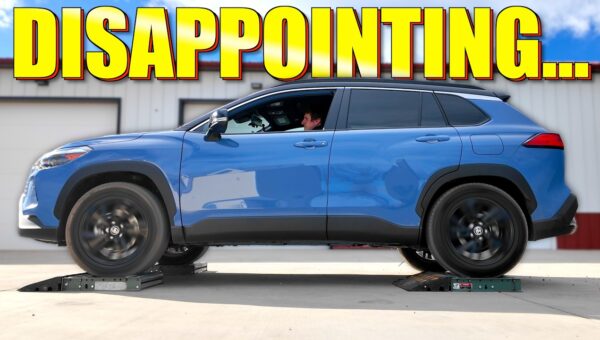
2026 Toyota Corolla Cross: Capable Crossover or All-Wheel Assist?
The 2026 Toyota Corolla Cross hybrid was put to the test on slip surfaces and a moderate off-road trail. While it offers a comfortable interior and impressive fuel economy, its e-AWD system showed significant limitations under demanding conditions, raising questions about its true crossover capability.